In today’s fast-paced world, stress and anxiety have become unwelcome companions. Progressive Muscle Relaxation offers a scientifically-backed pathway to reclaim your peace of mind and build lasting confidence.

🧘 What Is Progressive Muscle Relaxation and Why Does It Matter?
Progressive Muscle Relaxation (PMR) is a systematic technique developed by American physician Edmund Jacobson in the early 1920s. This powerful method involves deliberately tensing and then releasing different muscle groups throughout your body, creating a wave of physical and mental relaxation that can transform how you experience stress.
The beauty of PMR lies in its simplicity and accessibility. Unlike some relaxation techniques that require years of practice or special equipment, anyone can learn and benefit from this approach within minutes. The technique works on a fundamental principle: by first creating tension in your muscles and then consciously releasing it, you become acutely aware of what relaxation actually feels like.
Research consistently demonstrates that PMR reduces cortisol levels, lowers blood pressure, improves sleep quality, and enhances overall psychological well-being. When practiced regularly, this technique rewires your nervous system’s response to stress, creating a buffer against the daily pressures that threaten your calm and confidence.
The Science Behind Muscle Tension and Stress Relief 🔬
Understanding why PMR works requires a brief look at your body’s stress response system. When you encounter stress, your sympathetic nervous system activates the “fight-or-flight” response, flooding your body with adrenaline and cortisol. Your muscles tense automatically, preparing for action that rarely comes in modern life.
This chronic tension becomes a feedback loop. Tight muscles signal your brain that danger persists, keeping you in a state of heightened alert. Progressive Muscle Relaxation interrupts this cycle by activating your parasympathetic nervous system—the “rest-and-digest” response that counters stress.
The deliberate tension-and-release pattern serves multiple purposes. First, it teaches you to recognize what tension feels like in specific muscle groups, many of which you unconsciously clench throughout the day. Second, the contrast between tension and relaxation amplifies your ability to achieve deeper relaxation than you might through passive rest alone.
Neuroscience research reveals that PMR changes brain wave patterns, shifting from beta waves associated with active thinking and anxiety toward alpha and theta waves linked with relaxation and creativity. This neurological shift explains why practitioners often report improved focus, enhanced problem-solving abilities, and greater emotional resilience.
Step-by-Step Guide to Practicing Progressive Muscle Relaxation ✨
Learning PMR is straightforward, but mastering it requires consistent practice. Here’s a comprehensive guide to get you started on your journey toward lasting calm and confidence.
Creating Your Ideal Practice Environment
Before beginning, set yourself up for success. Find a quiet space where you won’t be disturbed for 15-20 minutes. Dim the lights, silence your phone, and ensure comfortable room temperature. You can practice lying down or seated in a supportive chair—choose whatever position allows you to remain alert while comfortable.
Wear loose, comfortable clothing that doesn’t restrict your movement or breathing. Remove glasses, jewelry, or anything that might distract you during practice. Some people find soft background music helpful, while others prefer silence—experiment to discover your preference.
The Basic Progressive Muscle Relaxation Sequence
Begin by taking three deep breaths, inhaling through your nose and exhaling slowly through your mouth. Allow your breathing to settle into a natural, comfortable rhythm. Starting with your dominant hand, make a tight fist and hold the tension for 5-7 seconds, noticing the sensations of tightness and strain.
Release suddenly and completely, letting your hand go limp. Focus on the difference between tension and relaxation for 15-20 seconds. This contrast is the key to effective PMR practice. Notice the warmth, tingling, or heaviness that accompanies relaxation.
Continue this pattern through your body in this systematic order:
- Forearms: Bend your hands back at the wrists to tense
- Upper arms: Create tension by bringing forearms toward shoulders
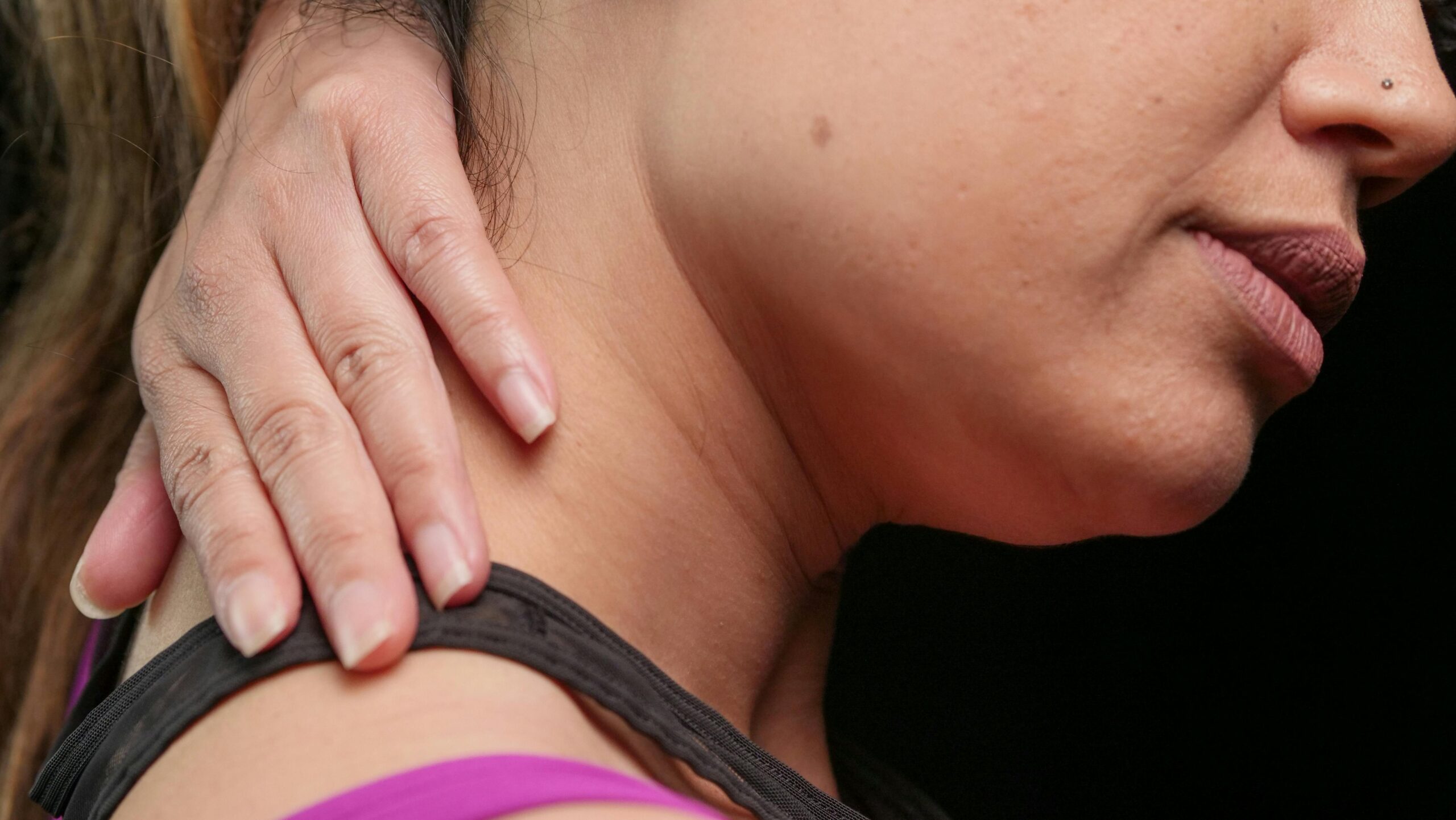
- Shoulders: Raise them toward your ears in a shrugging motion
- Forehead: Wrinkle your brow and raise eyebrows
- Eyes and nose: Squeeze eyes shut tightly
- Jaw and mouth: Clench teeth and pull corners of mouth back
- Neck: Pull chin down toward chest while resisting with neck muscles
- Chest: Take a deep breath and hold it while pulling shoulder blades together
- Abdomen: Tighten stomach muscles as if bracing for impact
- Buttocks: Clench firmly together
- Thighs: Contract by pressing knees together
- Calves: Point toes upward toward shins
- Feet: Curl toes downward
Advanced Techniques for Deeper Relaxation
Once you’ve mastered the basic sequence, you can enhance your practice with visualization. As you release tension from each muscle group, imagine the stress flowing out of your body like water draining away. Picture yourself in a peaceful setting—a beach, forest, or anywhere that brings you tranquility.
Another advanced approach involves “differential relaxation,” where you maintain relaxation in most muscles while using specific groups for activity. This skill translates directly to daily life, helping you type at your computer or drive your car without unnecessary tension in uninvolved muscles.
🌟 Transformative Benefits Beyond Stress Reduction
While stress relief is PMR’s most celebrated benefit, regular practice unlocks a cascade of positive changes that extend throughout your life. Understanding these benefits can motivate consistent practice and help you recognize improvements as they emerge.
Enhanced Sleep Quality and Duration
Insomnia and poor sleep plague millions worldwide, but PMR offers a drug-free solution. Practicing before bed signals your body that it’s time to wind down, making the transition to sleep smoother and more natural. Studies show that PMR practitioners fall asleep faster, experience fewer nighttime awakenings, and report better sleep quality overall.
Reduced Chronic Pain and Physical Discomfort
Chronic tension contributes significantly to headaches, back pain, and various musculoskeletal complaints. By releasing habitual tension patterns, PMR addresses pain at its source. Many practitioners report substantial reductions in tension headaches, TMJ pain, and lower back discomfort after just a few weeks of consistent practice.
Improved Confidence and Social Performance
Confidence blooms when anxiety recedes. PMR helps you approach challenging situations—job interviews, public speaking, difficult conversations—with greater composure. The technique provides a portable tool you can use discretely before high-pressure situations, quickly centering yourself and accessing your capabilities fully.
Better Emotional Regulation and Mental Clarity
Regular PMR practice strengthens your ability to observe emotions without being overwhelmed by them. This emotional regulation translates to better decision-making, reduced reactivity in conflicts, and greater resilience when facing setbacks. Many practitioners describe feeling more “even-keeled” and less prone to emotional extremes.
Integrating Progressive Muscle Relaxation into Daily Life 📅
The true power of PMR emerges when it becomes woven into your daily routine rather than remaining an occasional practice. Here’s how to make this transformation technique a sustainable part of your lifestyle.
Creating a Consistent Practice Schedule
Consistency trumps duration when building new habits. Start with just 10 minutes daily, preferably at the same time each day. Morning practice energizes you for the day ahead, while evening sessions prepare you for restful sleep. Mid-day PMR can provide a powerful reset during stressful workdays.
Set a specific trigger for your practice—after brushing your teeth, during your lunch break, or immediately upon arriving home from work. This implementation intention dramatically increases follow-through compared to vague commitments to “practice sometime today.”
Quick PMR Adaptations for Busy Schedules
Even on your most hectic days, mini PMR sessions provide significant benefits. A “countdown relaxation” technique takes just 2-3 minutes: quickly tense and release muscle groups in rapid succession, spending just 3 seconds on each contraction and 5 seconds on release. While less thorough than full sessions, these quick resets effectively interrupt stress spirals.
Another time-saving adaptation focuses on your personal “tension hotspots”—those areas where you habitually hold stress. Many people accumulate tension in their shoulders, jaw, or forehead. Targeting these areas specifically provides disproportionate relaxation benefits in minimal time.
Using Technology to Support Your Practice
Numerous apps and guided audio recordings can support your PMR journey, especially when you’re beginning. These tools provide structure, timing, and reminders that help establish consistent practice before you can guide yourself through sessions independently.
Common Challenges and How to Overcome Them 💪
Like any worthwhile skill, PMR comes with initial challenges. Recognizing and addressing these obstacles prevents frustration and premature abandonment of this valuable practice.
Difficulty Staying Focused
Mind wandering is completely normal, especially for beginners. When you notice your attention drifting, simply acknowledge the thoughts without judgment and gently return focus to the physical sensations in your body. Each time you redirect your attention, you’re actually strengthening your concentration abilities.
Falling Asleep During Practice
While PMR promotes relaxation, falling asleep during practice sessions (except bedtime practice) limits skill development. If drowsiness becomes problematic, try practicing earlier in the day, in a seated rather than reclined position, or in a slightly cooler room. Keeping your eyes open slightly can also help maintain alertness.
Physical Discomfort or Cramping
Occasional muscle cramping during tension phases signals that you’re contracting too forcefully. Remember, you need only about 50-70% of maximum tension to achieve the desired effect. If cramping persists, reduce tension intensity further or skip that muscle group temporarily while building strength gradually.
Not Feeling Results Immediately
Our culture of instant gratification can make progressive practices feel frustrating. While some people experience dramatic shifts after their first session, most notice subtle improvements that accumulate over weeks. Keep a simple journal noting your stress levels, sleep quality, and mood to track changes you might otherwise overlook.
🎯 Combining PMR with Other Wellness Practices
Progressive Muscle Relaxation becomes even more powerful when integrated with complementary techniques. This synergistic approach creates a comprehensive stress-management system that addresses multiple aspects of well-being.
Pairing PMR with Breathing Exercises
Diaphragmatic breathing naturally complements PMR by directly activating your parasympathetic nervous system. Practice deep breathing between muscle groups or incorporate specific patterns like 4-7-8 breathing (inhale for 4 counts, hold for 7, exhale for 8) to deepen relaxation effects.
Meditation and Mindfulness Integration
PMR provides an accessible entry point to meditation for people who struggle with purely mental techniques. The physical focus of tensing and releasing gives the mind something concrete to attend to, building concentration skills that transfer to other meditative practices. Many practitioners eventually blend PMR with body scan meditation for profound results.
Exercise and Physical Activity
Regular physical exercise and PMR work together beautifully. Exercise releases endorphins and burns off excess stress hormones, while PMR teaches your muscles to release fully during rest periods. This combination prevents the chronic semi-tension many people carry even during supposed rest.
Measuring Your Progress and Celebrating Success 🎉
Tracking your PMR journey helps maintain motivation and reveals patterns you might otherwise miss. Beyond subjective feelings, several objective markers indicate your growing mastery and the technique’s impact on your life.
Consider monitoring these indicators weekly:
- Time required to complete a full-body session (decreases with practice)
- Depth of relaxation achieved (rate on a 1-10 scale)
- Number of muscle groups where you notice habitual tension
- Duration of post-practice calm (extends over time)
- Ability to achieve relaxation in distracting environments
- Frequency of stress-related symptoms (headaches, muscle pain, digestive issues)
- Sleep quality and duration
- Confidence levels in challenging situations
Celebrate small victories along the way. Perhaps you navigated a stressful meeting without your shoulders climbing to your ears, or you fell asleep without hours of tossing and turning. These moments demonstrate PMR working in real-world contexts—the ultimate measure of success.
Your Journey Toward Lasting Calm Begins Now 🌈
Progressive Muscle Relaxation represents more than just another stress-management technique—it’s a fundamental skill that changes your relationship with tension, anxiety, and your own capabilities. Unlike temporary fixes that merely mask symptoms, PMR addresses stress at its physiological roots while building confidence through tangible mastery.
The technique’s accessibility makes it particularly valuable. You need no special equipment, no gym membership, no expensive classes. Just your body, a few minutes, and willingness to practice. This simplicity ensures that PMR remains available during your most stressful moments, when you need it most.
Starting today, you can begin transforming how you experience stress. Your first session might feel awkward or unfamiliar—that’s perfectly normal. Each practice session builds neural pathways that make relaxation increasingly accessible. Within weeks, you’ll notice subtle shifts in how you carry yourself physically and navigate challenges mentally.
Within months, PMR can become so integrated into your being that you automatically release unnecessary tension throughout the day. You’ll approach difficulties with greater composure, sleep more soundly, and move through your world with newfound confidence rooted in your ability to self-regulate regardless of external circumstances.
The ultimate stress-relief technique isn’t found in some exotic practice requiring years to master. It’s been within you all along, waiting to be activated through the systematic attention Progressive Muscle Relaxation provides. Your muscles hold the key to unlocking the calm and confidence you’ve been seeking.
Begin your practice today. Start small, stay consistent, and trust the process. Your future self—calmer, more confident, and genuinely relaxed—is waiting on the other side of this simple yet profound practice.