Understanding how your daytime rest impacts your overall wellness can transform your energy levels, productivity, and quality of life in ways you never imagined possible.

🌟 Why Your Daytime Sleep Deserves Serious Attention
We live in a culture obsessed with nighttime sleep, yet millions of people around the world rely on daytime rest to function optimally. Whether you’re a shift worker, a new parent, a student burning the midnight oil, or someone who simply enjoys a refreshing afternoon nap, the quality of your daytime sleep directly influences your cognitive performance, emotional stability, and physical health.
Daytime sleep quality tracking has emerged as a game-changing approach to understanding and optimizing rest patterns that don’t conform to traditional nighttime schedules. By monitoring and analyzing how you sleep during daylight hours, you gain invaluable insights into what helps or hinders your recovery, allowing you to make data-driven decisions about your wellness routine.
The science behind sleep tracking has advanced dramatically in recent years. What was once limited to expensive laboratory equipment is now accessible through smartphone applications and wearable devices that monitor everything from sleep duration to movement patterns, heart rate variability, and even breathing rhythms.
The Hidden Benefits of Tracking Your Daytime Rest 💤
When you begin monitoring your daytime sleep patterns, you unlock a wealth of information that can revolutionize how you approach rest and recovery. Understanding your personal sleep architecture—the cycles of light, deep, and REM sleep—helps you identify optimal nap durations and timing for maximum benefit.
Research consistently shows that quality matters far more than quantity when it comes to daytime sleep. A well-timed 20-minute power nap that reaches light sleep stages can provide more rejuvenation than an hour of restless, fragmented rest. Tracking tools help you discover your unique patterns and preferences, enabling you to engineer the perfect daytime sleep experience.
Energy Restoration Through Strategic Rest
One of the most compelling reasons to track daytime sleep is the immediate impact on energy levels. Unlike nighttime sleep, where you have hours to cycle through multiple sleep stages, daytime rest requires strategic planning to maximize benefits within shorter timeframes.
Tracking applications reveal patterns you might never notice otherwise. Perhaps you consistently wake feeling groggy after 45-minute naps but refreshed after 20 or 90 minutes. This phenomenon relates to sleep inertia—that foggy feeling when you wake from deep sleep. By identifying these patterns, you can schedule naps that align with complete sleep cycles, avoiding mid-cycle disruptions that leave you feeling worse than before.
🔍 Understanding Your Personal Sleep Metrics
Effective daytime sleep tracking involves monitoring several key metrics that collectively paint a comprehensive picture of your rest quality. These measurements go beyond simply recording when you lie down and when you get up.
Core Metrics Worth Monitoring
- Sleep latency: The time it takes to fall asleep reveals stress levels, caffeine sensitivity, and environmental suitability
- Sleep duration: Total time spent sleeping versus time spent trying to sleep
- Sleep interruptions: Frequency and length of awakenings during your rest period
- Sleep stages: Distribution of light, deep, and REM sleep throughout your rest
- Heart rate patterns: Resting heart rate and variability indicate recovery quality
- Movement data: Restlessness levels suggesting comfort and stress factors
- Environmental factors: Room temperature, noise levels, and light exposure
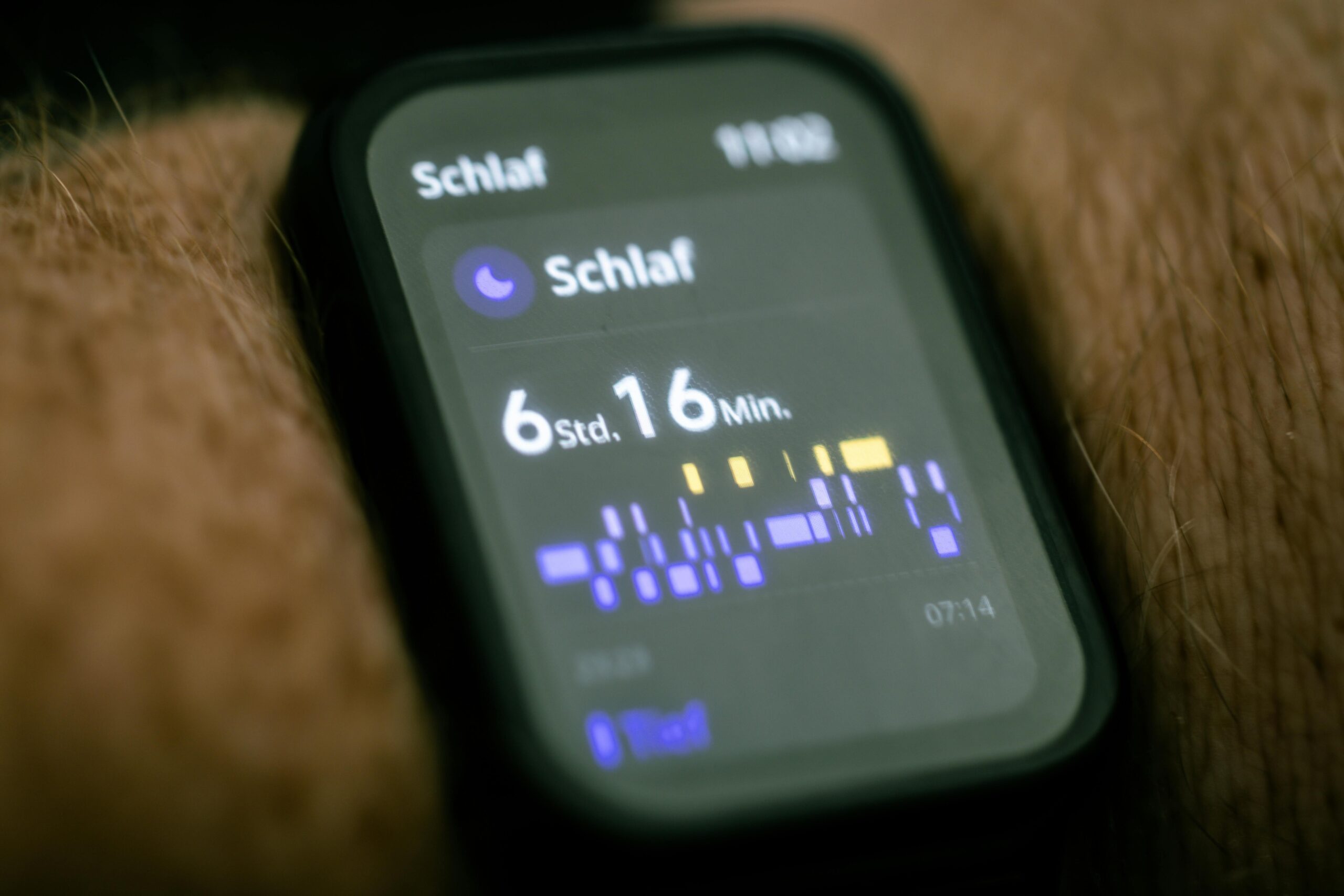
Modern sleep tracking applications synthesize these data points into actionable insights, often providing sleep scores or quality ratings that help you quickly assess whether your rest was restorative or requires optimization.
Technology That Powers Your Sleep Insights 📱
The landscape of sleep tracking technology has evolved to offer options for every preference and budget. Smartphone applications use accelerometer data and, in some cases, microphone input to detect movement and breathing patterns. Wearable devices like fitness trackers and smartwaches provide more comprehensive monitoring through continuous heart rate tracking and advanced motion sensors.
Some dedicated sleep tracking apps have developed sophisticated algorithms specifically designed for daytime sleep analysis. These recognize that daytime rest differs fundamentally from nighttime sleep in terms of environmental conditions, sleep pressure, and circadian influences.
Advanced applications offer features like smart alarms that wake you during light sleep stages, snore detection, sleep debt calculations, and trend analysis showing how your rest quality changes over weeks and months. These tools transform raw data into meaningful narratives about your sleep health.
Creating the Optimal Daytime Sleep Environment 🛏️
Tracking reveals that environment plays an outsized role in daytime sleep quality. Unlike nighttime when darkness naturally promotes melatonin production, daytime sleep requires deliberate environmental optimization to counteract alerting signals from light, noise, and temperature.
Environmental Factors Your Tracking Might Reveal
As you collect data over time, patterns emerge showing which environmental conditions correlate with your best rest. You might discover that slightly cooler temperatures improve your deep sleep percentage, or that white noise machines reduce your awakening frequency by 60%.
Light exposure represents perhaps the most critical factor for daytime sleepers. Even small amounts of light penetrating closed eyelids can suppress melatonin and prevent deep sleep stages. Tracking often reveals dramatic quality improvements after implementing blackout curtains or sleep masks, validated by increased deep sleep percentages and reduced wake episodes.
| Environmental Factor | Optimal Range | Impact on Sleep Quality |
|---|---|---|
| Room Temperature | 60-67°F (15-19°C) | Affects sleep latency and deep sleep percentage |
| Light Levels | Complete darkness or <1 lux | Critical for melatonin production and sleep initiation |
| Noise Levels | <30 decibels or consistent white noise | Reduces awakening frequency and improves continuity |
| Humidity | 30-50% | Affects comfort and respiratory ease |
Strategic Napping for Maximum Performance ⚡
Sleep tracking transforms intuitive napping into a science-backed performance enhancement strategy. Different nap durations serve distinct purposes, and tracking helps you identify which types deliver the benefits you need most.
The Power Nap Protocol (10-20 minutes)
Short naps that keep you in light sleep stages provide quick refreshment without sleep inertia. Tracking confirms these brief rest periods can improve alertness, reaction time, and mood without affecting nighttime sleep. Many high performers schedule these strategically after lunch when circadian rhythms naturally dip.
The Cognitive Boost Nap (60 minutes)
Longer naps that include deep sleep stages enhance memory consolidation and creative problem-solving. Tracking typically shows these naps include significant slow-wave sleep, which is essential for cognitive processing. The trade-off is potential grogginess upon waking as you interrupt deep sleep stages.
The Full Cycle Nap (90 minutes)
Complete sleep cycle naps that include all sleep stages—light, deep, and REM—provide comprehensive restoration. Tracking validates that these longer rest periods can substitute for lost nighttime sleep more effectively than shorter naps, as they allow natural progression through all restorative sleep phases.
🧠 The Mind-Body Connection in Daytime Rest
Sleep tracking illuminates the profound connection between mental state and rest quality. Stress, anxiety, and mental stimulation before attempting daytime sleep consistently correlate with longer sleep latency, more frequent awakenings, and reduced deep sleep percentages.
Your tracking data might reveal that meditation or breathing exercises before rest improve sleep onset by several minutes and increase overall sleep efficiency. These insights empower you to develop pre-sleep rituals specifically optimized for your physiology and preferences.
Biofeedback and Recovery Metrics
Advanced tracking goes beyond sleep itself to measure recovery effectiveness. Heart rate variability (HRV) measured during daytime sleep provides insights into autonomic nervous system recovery and stress resilience. Higher HRV during rest generally indicates better recovery and adaptation to physical and mental demands.
Tracking these biomarkers helps you understand not just whether you slept, but whether that sleep accomplished its restorative purpose. This distinction proves invaluable for athletes, shift workers, and anyone relying on daytime rest for optimal performance.
Overcoming Common Daytime Sleep Challenges 🎯
Tracking identifies obstacles that consistently undermine daytime sleep quality, allowing targeted interventions. Racing thoughts, environmental disturbances, irregular schedules, and circadian misalignment all leave distinctive signatures in your sleep data.
The Shift Work Solution
For shift workers who must sleep during daylight hours, tracking becomes essential for managing the health impacts of circadian disruption. Data reveals which interventions—timing, duration, environment modifications, or pre-sleep routines—most effectively overcome the body’s natural alertness during daylight hours.
Consistent tracking helps shift workers establish evidence-based routines that minimize sleep debt accumulation and reduce the health risks associated with non-traditional sleep schedules. Patterns emerge showing optimal sleep timing relative to shift schedules, informing decisions about when to sleep and when to schedule social activities or errands.
Building Sustainable Sleep Habits Through Data 📊
The true power of daytime sleep tracking emerges over weeks and months as trends become apparent. Weekly summaries and monthly comparisons reveal whether your interventions actually work, moving you beyond subjective impressions to objective reality.
You might discover that your best sleep quality occurs on specific days of the week, correlating with factors like exercise timing, caffeine intake, or stress levels. These insights enable proactive scheduling—planning important activities when tracking predicts you’ll be best rested.
Continuous Improvement Methodology
Approach sleep tracking as an iterative improvement process. Establish baseline measurements, implement one change at a time, and track results over at least two weeks before making additional adjustments. This scientific approach prevents confusing which interventions actually drive improvements.
Common experimental variables include nap timing, duration, room temperature, pre-sleep activities, caffeine cutoff times, meal timing, and technology use. Your tracking data serves as the ultimate feedback mechanism, revealing which changes deliver measurable benefits and which make no difference for your individual physiology.
🌈 Wellness Beyond Sleep: The Ripple Effects
Improved daytime sleep quality creates positive cascades throughout your life. Better rest directly enhances immune function, emotional regulation, cognitive performance, and metabolic health. Tracking allows you to quantify these connections, observing how improved sleep scores correlate with better workout performance, increased productivity, or more stable moods.
Many users discover unexpected connections—perhaps their anxiety levels decrease when deep sleep percentages exceed certain thresholds, or their creative output soars after consistent 90-minute afternoon naps. These personalized insights transform abstract wellness concepts into concrete, actionable strategies tailored to your unique biology and lifestyle.
Integration With Broader Health Tracking
Daytime sleep tracking becomes even more powerful when integrated with other health metrics. Observing relationships between sleep quality, nutrition, exercise, stress levels, and illness patterns reveals the interconnected nature of wellness and helps prioritize the interventions that deliver the greatest impact.
Perhaps your tracking reveals that sleep quality drops significantly after high-carbohydrate lunches, or that even moderate alcohol consumption fragments your afternoon naps. These insights guide lifestyle adjustments with clear cause-and-effect relationships validated by your own data.
Starting Your Tracking Journey Today 🚀
Beginning daytime sleep tracking requires minimal investment but delivers maximum insight. Start simply—even basic duration and subjective quality ratings provide valuable information. As you develop consistency, expand to more detailed metrics and environmental factors.
The most important factor is consistency. Track every daytime sleep episode for at least 30 days to establish meaningful patterns. Note contextual factors like stress levels, caffeine intake, and environmental conditions to enrich your dataset and enable deeper analysis.
Remember that tracking serves as a tool for empowerment, not judgment. Poor sleep nights happen to everyone—the goal is identifying patterns and opportunities for improvement, not achieving perfection. Approach your data with curiosity rather than criticism, viewing each measurement as information that guides your wellness journey.
Your Personal Sleep Revolution Awaits 💫
Daytime sleep quality tracking represents more than monitoring rest—it’s a pathway to understanding your body’s unique needs and optimizing one of life’s most fundamental activities. By transforming intuition into data and confusion into clarity, tracking empowers you to take control of your energy, performance, and overall wellness.
The insights you gain through consistent monitoring become the foundation for personalized sleep strategies that actually work for your individual circumstances, schedule, and physiology. No generic advice or one-size-fits-all recommendations can match the power of decisions informed by your own body’s feedback.
As you embark on this journey, remember that better daytime sleep isn’t a luxury—it’s a necessity for thriving in our demanding world. Whether you’re managing shift work, catching up on lost nighttime sleep, or strategically boosting performance through power naps, tracking provides the roadmap to your best rest and most energized life.
Start today, track consistently, experiment thoughtfully, and watch as the quality of your daytime rest transforms your waking hours. Your body has been waiting to show you what optimal rest feels like—sleep tracking is the key that unlocks this potential.