Water isn’t just a beverage—it’s the foundation of cognitive performance, mental sharpness, and sustained energy throughout your day.

In our fast-paced world where mental clarity and peak performance are non-negotiable, we often overlook the simplest solution sitting right in front of us. While we reach for coffee, energy drinks, or supplements to boost our alertness, the most fundamental element for optimal brain function is often neglected: proper hydration. Your brain is composed of approximately 73% water, and even mild dehydration can significantly impair cognitive abilities, mood, and energy levels.
Understanding the profound connection between hydration and mental performance can transform how you approach your daily tasks, decision-making, and overall productivity. This isn’t about drinking water because you’re supposed to—it’s about leveraging hydration as a powerful tool for maintaining peak mental clarity and sustained alertness throughout your demanding schedule.
🧠 The Science Behind Hydration and Brain Performance
Your brain is one of the most water-dependent organs in your body. Every neural signal, every thought, and every memory formation depends on proper hydration levels. When you’re adequately hydrated, neurons communicate efficiently, neurotransmitters function optimally, and your brain operates at full capacity.
Research from the European Journal of Clinical Nutrition demonstrates that even a 1-2% loss in body water can lead to measurable declines in cognitive function. This includes reduced attention span, impaired short-term memory, decreased psychomotor skills, and slower reaction times. What’s particularly concerning is that these deficits often occur before you even feel thirsty.
The mechanism is straightforward yet profound: water facilitates the delivery of nutrients to brain cells and removes toxins and waste products. It maintains the electrical properties necessary for nerve signal transmission and supports the production of hormones and neurotransmitters, including serotonin and dopamine—crucial players in mood regulation and mental alertness.
How Dehydration Sabotages Your Mental Edge
Dehydration triggers a cascade of physiological changes that directly impact brain function. When you’re low on fluids, your blood volume decreases, reducing oxygen flow to the brain. This oxygen deficit forces your cardiovascular system to work harder, diverting energy that could be used for cognitive tasks.
Studies using neuroimaging have shown that dehydration actually causes the brain to shrink temporarily and requires more neural activity to complete the same tasks compared to a well-hydrated state. This means you’re expending more mental energy to achieve less—a significant drain on productivity and mental stamina.
💧 Recognizing the Hidden Signs of Dehydration
Most people wait until they’re thirsty to drink water, but thirst is actually a late-stage indicator of dehydration. By the time you feel parched, your cognitive performance has already begun to decline. Learning to recognize subtle signs of inadequate hydration can help you stay ahead of the curve.
Common cognitive symptoms of dehydration include difficulty concentrating, mental fog, increased irritability, fatigue despite adequate sleep, headaches, and reduced motivation. Physical indicators go beyond dry mouth and include darker urine, reduced urination frequency, dry skin, dizziness, and elevated heart rate.
Interestingly, many people misinterpret these symptoms as hunger, stress, or simply the afternoon slump, reaching for snacks or caffeine when water would be the more effective solution. Understanding your body’s hydration signals creates a foundation for sustained mental clarity throughout the day.
⚡ Optimal Hydration Strategies for Peak Mental Performance
Drinking water isn’t just about quantity—it’s about strategic timing and consistency. Your body processes approximately 800-1000ml of water per hour, so chugging large amounts at once isn’t as effective as steady intake throughout the day.
The Morning Hydration Protocol
Your body loses significant water during sleep through respiration and perspiration. Starting your day with 16-24 ounces of water upon waking rehydrates your system, kickstarts your metabolism, and primes your brain for optimal function. This morning ritual can be more effective than caffeine for initial alertness, as it addresses the underlying cause of morning grogginess—mild dehydration.
Consider making this a non-negotiable part of your morning routine, even before your coffee. Many high performers keep a glass or bottle of water on their nightstand, making it the first thing they consume upon opening their eyes.
Strategic Hydration Throughout Your Day
Rather than drinking randomly or only when convenient, create a hydration schedule that supports your cognitive demands. Drink water before, during, and after mentally demanding tasks. Keep water visible and accessible at your workspace—studies show that simply having water within reach increases consumption by up to 25%.
A practical approach is the time-based method: consume water every hour on the hour during your waking hours. Set gentle reminders on your phone or computer if necessary. For those who track metrics, several hydration apps can help you maintain consistency and build sustainable habits.
Pre-Meeting and Pre-Presentation Hydration
Before important meetings, presentations, or high-stakes decision-making sessions, ensure you’re properly hydrated. Drink 8-16 ounces of water 15-30 minutes beforehand. This preparation enhances verbal fluency, improves memory recall, and supports quick thinking—all critical for peak performance in professional settings.
🏃♂️ Hydration and Physical Activity: The Mental Connection
If your routine includes exercise, your hydration needs increase substantially. Physical activity accelerates fluid loss through sweat and respiration, and the cognitive impact of exercise-induced dehydration is even more pronounced than sedentary dehydration.
Athletes have long understood this connection, but it applies equally to anyone who exercises, whether a morning gym session or a lunchtime walk. Dehydration of just 2% of body weight during exercise can decrease performance by up to 10-20% and significantly impair concentration and decision-making abilities.
The hydration strategy for active individuals should include pre-hydration (16-20 ounces 2-3 hours before exercise), consistent intake during activity (7-10 ounces every 10-20 minutes), and rehydration afterward (20-24 ounces for every pound lost through sweat).
☕ Beyond Water: Understanding Hydration Sources
While pure water is the gold standard for hydration, other beverages and foods contribute to your daily fluid intake. However, not all liquids are created equal when it comes to supporting mental clarity and sustained energy.
The Caffeine Conundrum
Coffee and tea provide cognitive benefits through caffeine, but they also have mild diuretic effects. This doesn’t mean you need to avoid them—moderate consumption (up to 400mg caffeine daily) won’t cause significant dehydration. The key is balancing caffeinated beverages with adequate water intake. A practical rule: for every cup of coffee, drink an additional glass of water.
Electrolytes and Enhanced Hydration
For most people engaged in normal daily activities, plain water suffices. However, if you’re sweating heavily, exercising intensely, or in hot environments, electrolytes become important. Sodium, potassium, magnesium, and calcium help your body retain and utilize water more effectively.
Natural sources include coconut water, which contains potassium and natural electrolytes, or adding a pinch of high-quality sea salt and a squeeze of lemon to your water. For those who prefer tracking, electrolyte-enhanced water can be beneficial, though most people get sufficient electrolytes through a balanced diet.
📊 Measuring Your Hydration Success
Tracking your hydration status helps you understand your individual needs and optimize your intake. Several methods range from simple to sophisticated:
- Urine Color Test: Pale yellow indicates good hydration; dark yellow or amber suggests you need more fluids
- Body Weight Monitoring: Weigh yourself before and after exercise to determine fluid loss
- Cognitive Self-Assessment: Notice your mental clarity, focus, and energy levels throughout the day
- Frequency Tracking: You should urinate approximately every 2-4 hours when properly hydrated
These simple assessments provide immediate feedback without requiring expensive equipment or complicated protocols. Over time, you’ll develop an intuitive sense of your hydration needs and recognize when you need to increase intake.
🌟 The Hydration-Energy Connection: Breaking the Afternoon Slump
That mid-afternoon energy crash that sends people reaching for their third coffee or a sugary snack is often misunderstood. While blood sugar, circadian rhythms, and lunch composition play roles, dehydration is frequently the primary culprit behind the infamous 2 PM slump.
As you progress through your day, cumulative mild dehydration develops if you’re not consistently replenishing fluids. This gradual decline in hydration status correlates directly with decreased alertness, reduced motivation, and that heavy, fatigued feeling that undermines afternoon productivity.
Implementing a strategic afternoon hydration boost—drinking 16-20 ounces of water between 1-3 PM—can dramatically improve your second-half performance. Many professionals report that this simple intervention eliminates or significantly reduces their afternoon energy dip, allowing them to maintain morning-level productivity throughout the entire workday.
💤 Hydration, Sleep Quality, and Next-Day Alertness
The relationship between hydration and sleep is bidirectional and often overlooked. Dehydration can disrupt sleep quality by causing dry mouth, nasal passages, and muscle cramps, while poor sleep can lead to hormonal changes that affect hydration status.
However, timing matters: drinking large amounts of water immediately before bed can fragment sleep with bathroom trips. The optimal strategy involves tapering fluid intake in the evening—ensure you’re well-hydrated throughout the day, drink normally until about 2 hours before bed, then switch to small sips only if needed.
Proper hydration during waking hours supports deeper, more restorative sleep, which in turn enhances next-day cognitive function, mood, and mental clarity. This creates a positive cycle: good hydration supports quality sleep, which supports better hydration management and peak mental performance.
🎯 Personalized Hydration: Finding Your Optimal Intake
The old “eight glasses a day” rule is an oversimplification. Individual hydration needs vary based on body size, activity level, climate, diet, and metabolic factors. A more personalized approach yields better results.
A practical starting point is the body weight formula: drink half your body weight in ounces daily. For a 150-pound person, that’s 75 ounces. Adjust upward for exercise, hot weather, high altitude, or increased cognitive demands. Pregnant or breastfeeding women need additional fluids.
Your diet also influences hydration needs. High-protein diets, high-sodium foods, and alcohol consumption increase fluid requirements. Conversely, diets rich in fruits and vegetables contribute water content, reducing your drinking needs slightly.
🚀 Implementing Your Hydration Strategy for Immediate Results
Knowledge without action produces no results. Creating a sustainable hydration practice requires intention, systems, and consistency. Start by establishing baseline habits that make adequate hydration automatic rather than effortful.
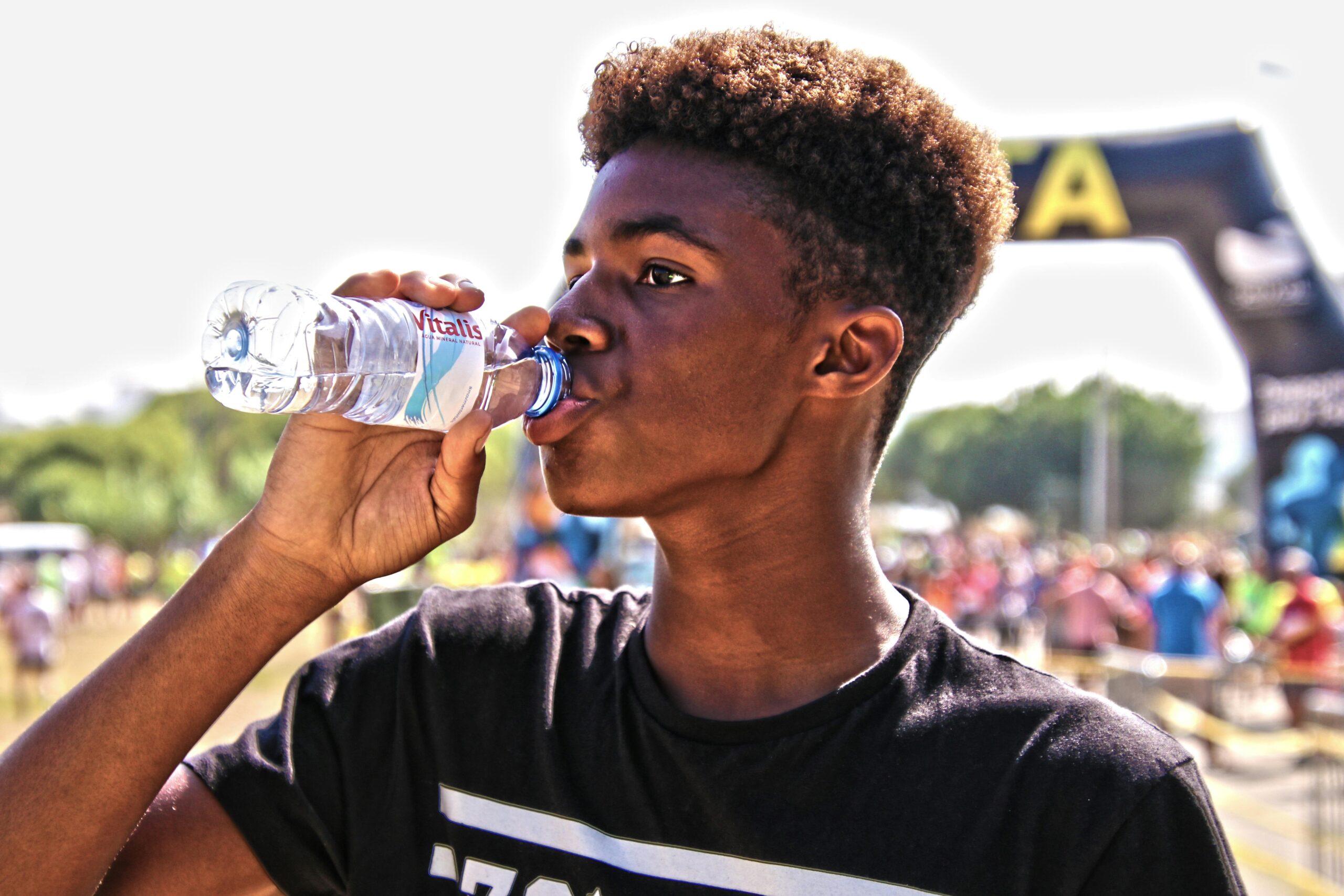
Invest in a quality water bottle that you enjoy using—this simple step significantly increases consumption. Place water stations throughout your environment: desk, car, nightstand, gym bag. Remove friction by making water the easiest beverage to access.
Link hydration to existing habits through habit stacking: drink water when you sit down at your desk, before every meal, after using the bathroom, or during every commercial break. These trigger-behavior connections create automatic hydration patterns that require minimal willpower to maintain.
Tracking Progress and Adjusting
Monitor the subjective effects of improved hydration on your mental clarity, energy levels, and productivity. Keep notes for the first few weeks—most people notice significant improvements in focus, reduced afternoon fatigue, fewer headaches, and better mood stability within just 3-7 days of consistent proper hydration.
If you’re not experiencing these benefits, you may need to adjust your intake, timing, or consider whether other factors (sleep, nutrition, stress) are limiting your cognitive performance. Hydration is foundational, but it works synergistically with other health practices.
🌊 The Ripple Effect: Beyond Mental Clarity
While this article focuses on hydration for alertness and cognitive function, the benefits extend throughout your entire system. Proper hydration supports immune function, cardiovascular health, digestive efficiency, joint lubrication, temperature regulation, and skin health. It aids in toxin elimination and nutrient delivery to every cell in your body.
When you prioritize hydration for mental performance, you simultaneously enhance your overall health and longevity. This makes it one of the highest-impact, lowest-cost interventions available for optimizing human performance across all dimensions.
💡 Your Hydration Action Plan: Starting Today
Transform your understanding into results with these immediate action steps. First, commit to drinking 16-24 ounces of water immediately upon waking tomorrow morning. Notice how this affects your morning mental clarity and energy.
Second, identify your biggest hydration barrier—is it forgetting, not liking water’s taste, inconvenient access, or something else? Then implement one specific solution: set hourly reminders, infuse water with fruit for flavor, or place bottles throughout your space.
Third, track your intake and cognitive performance for one week. Use a simple tally system, hydration app, or journal. Correlate your hydration levels with your mental clarity, productivity, and energy. This personal data will reveal patterns and motivate continued practice.
The journey to peak mental performance doesn’t require expensive supplements, complicated protocols, or radical lifestyle changes. Sometimes the most powerful interventions are the simplest ones consistently applied. Hydration represents one of those foundational practices that amplifies every other effort you make toward cognitive optimization and sustained energy.
Your brain’s performance, your mental clarity, and your daily energy levels are profoundly influenced by something as simple as water intake. By implementing strategic hydration practices, you’re not just drinking water—you’re fueling peak cognitive performance, enhancing decision-making capabilities, and building the foundation for sustained excellence in everything you do. The power to think clearer, work smarter, and feel more energized throughout your day might just be a glass of water away.