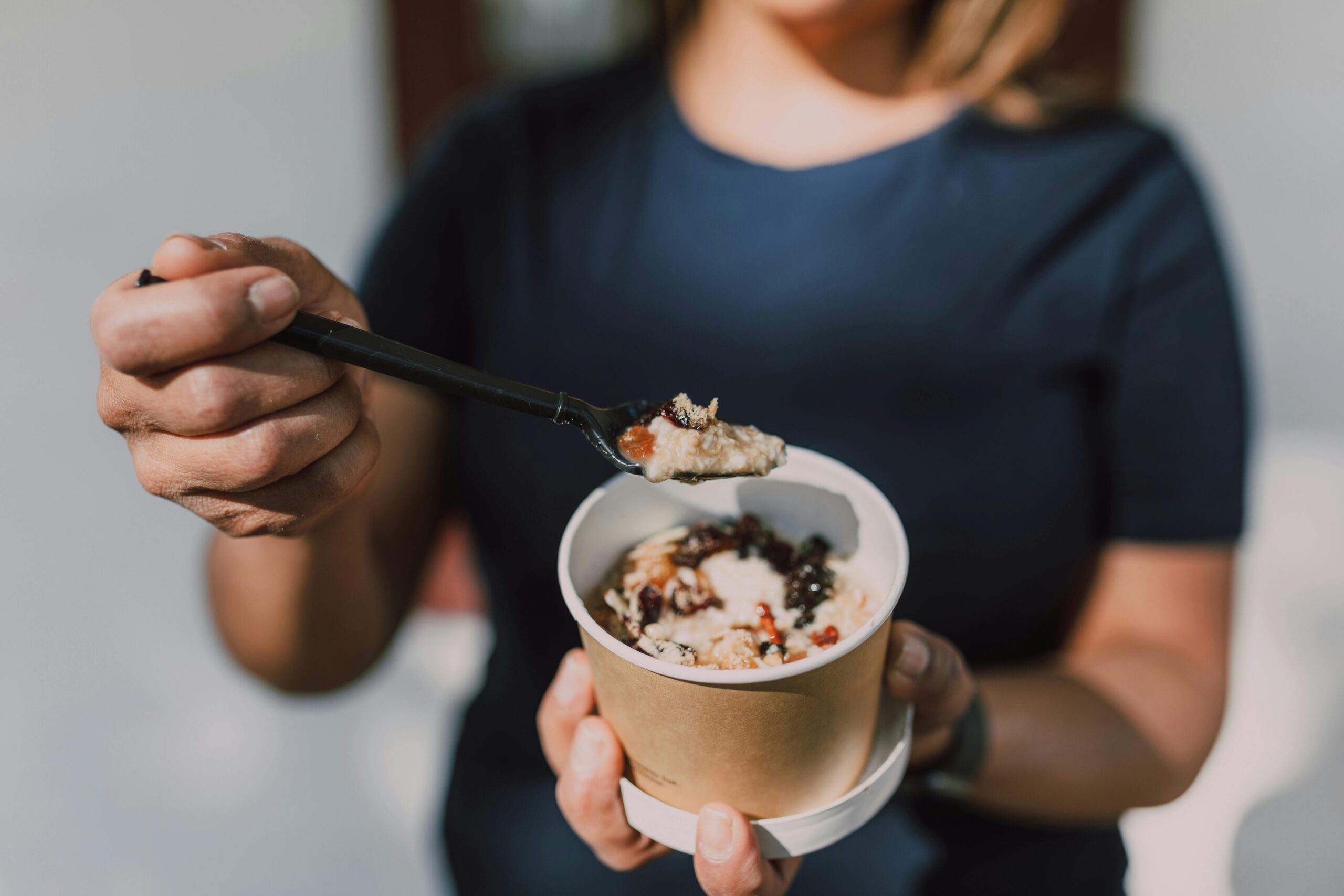
Finding the right foods to eat before bed can transform your blood sugar levels and sleep quality, setting you up for a healthier tomorrow.

Why Your Evening Meal Matters More Than You Think 🌙
The food choices you make at dinner have a profound impact on your overnight blood sugar stability, sleep architecture, and morning energy levels. When you consume high-glycemic foods in the evening, your blood glucose spikes dramatically, triggering an insulin surge that can disrupt your natural sleep-wake cycle and lead to middle-of-the-night awakenings or morning grogginess.
Research consistently shows that people who consume low-glycemic meals at night experience more stable blood sugar levels throughout their sleep period, leading to better quality rest and improved metabolic health. This connection between evening nutrition and nocturnal glucose control is particularly important for individuals managing diabetes, prediabetes, or metabolic syndrome, but the benefits extend to anyone seeking optimal health and restorative sleep.
The glycemic index (GI) measures how quickly foods raise blood sugar levels after consumption. Low-glycemic foods, with a GI of 55 or below, provide a steady release of glucose into the bloodstream rather than causing dramatic spikes and crashes. This sustained energy release is exactly what your body needs during the fasting state of sleep.
The Science Behind Blood Sugar and Sleep Quality
Understanding the intricate relationship between glucose metabolism and sleep requires examining how your body functions during nighttime hours. During sleep, your metabolic rate decreases, but your body continues performing essential maintenance and repair functions that require steady energy availability.
When you eat high-glycemic foods before bed, the resulting blood sugar spike triggers increased insulin production. This hormonal cascade can interfere with the natural rise in melatonin, your body’s primary sleep hormone, making it harder to fall asleep and stay asleep. Additionally, the subsequent blood sugar crash that often follows can cause stress hormone release, particularly cortisol, which may wake you during the night or cause you to wake feeling unrefreshed.
Low-glycemic meals, conversely, provide sustained glucose availability without triggering excessive insulin responses. This stability supports uninterrupted sleep cycles, allowing your body to progress smoothly through all sleep stages, including the vital deep sleep and REM phases where physical restoration and cognitive processing occur.
Hormonal Harmony Through Food Timing ⏰
The timing of your last meal significantly influences your circadian rhythm and hormonal balance. Eating too close to bedtime can interfere with the natural overnight fast your body needs to optimize growth hormone production and cellular repair. However, going to bed hungry can also disrupt sleep through blood sugar drops and stress hormone activation.
The ideal approach involves consuming a balanced, low-glycemic meal approximately two to three hours before sleep. This timing allows partial digestion while ensuring adequate glucose availability throughout the night, supporting both metabolic health and sleep quality.
Essential Components of Blood Sugar-Friendly Evening Meals
Creating the perfect low-glycemic dinner involves understanding which macronutrients and food combinations promote stable blood sugar while supporting sleep-promoting neurotransmitter production.
Protein Power for Overnight Stability
High-quality protein sources form the foundation of blood sugar-balancing evening meals. Protein slows digestion, moderates glucose absorption, and provides amino acids necessary for neurotransmitter synthesis, including serotonin and melatonin that regulate sleep cycles.
Excellent evening protein choices include wild-caught salmon, which also provides omega-3 fatty acids that reduce inflammation and support brain health; organic chicken or turkey breast, rich in tryptophan that aids melatonin production; grass-fed beef in moderate portions; eggs from pasture-raised chickens; and plant-based options like lentils, chickpeas, and tempeh that offer both protein and fiber.
Healthy Fats That Sustain and Satisfy 🥑
Dietary fats slow gastric emptying and carbohydrate absorption, creating a gradual, sustained release of glucose into your bloodstream. They also promote satiety, preventing late-night cravings that could disrupt your sleep or healthy eating patterns.
Incorporate heart-healthy fats from sources like avocados, which also provide potassium and magnesium that support muscle relaxation; extra virgin olive oil, rich in anti-inflammatory polyphenols; nuts and seeds, particularly almonds and pumpkin seeds that contain sleep-supporting minerals; and fatty fish that deliver both protein and omega-3 fatty acids in one nutrient-dense package.
Strategic Carbohydrate Selection
While low-glycemic eating emphasizes carbohydrate quality over quantity, including the right types of carbohydrates in your evening meal actually supports better sleep. Complex carbohydrates facilitate tryptophan transport across the blood-brain barrier, aiding serotonin and melatonin production.
Choose non-starchy vegetables like broccoli, cauliflower, leafy greens, bell peppers, and zucchini as your primary carbohydrate sources. These provide fiber, vitamins, minerals, and phytonutrients with minimal glycemic impact. When including starchy carbohydrates, opt for small portions of quinoa, sweet potatoes, legumes, or steel-cut oats, all of which have lower glycemic indices than refined grains.
Delicious Low-Glycemic Dinner Recipes for Better Nights 🍽️
Mediterranean Baked Salmon with Garlic Spinach and Cauliflower Mash
This nutritionally complete meal combines omega-3-rich salmon with fiber-packed vegetables and aromatic herbs that promote both stable blood sugar and quality sleep.
Prepare a 6-ounce wild-caught salmon fillet seasoned with lemon juice, minced garlic, dried oregano, and a drizzle of olive oil. Bake at 400°F for 12-15 minutes until cooked through. Meanwhile, sauté fresh spinach with garlic in olive oil until wilted, and prepare cauliflower mash by steaming cauliflower florets until tender, then blending with a tablespoon of grass-fed butter or olive oil, salt, and pepper.
This combination provides approximately 35 grams of protein, healthy fats from both the salmon and olive oil, and abundant fiber and micronutrients from the vegetables, all with a glycemic load under 10.
Turkey and Vegetable Lettuce Wraps with Avocado
Perfect for warmer evenings or when you desire something lighter, these wraps deliver complete nutrition without the blood sugar impact of traditional wraps or tortillas.
Use large romaine or butter lettuce leaves as wraps, filled with seasoned ground turkey cooked with onions, bell peppers, and Mexican spices. Top with diced avocado, salsa, a small amount of shredded cheese, and a dollop of Greek yogurt as a healthier sour cream alternative. Serve with a side of black beans seasoned with cumin for additional protein and fiber.
This meal offers balanced macronutrients, high satiety, and a glycemic load appropriate for evening consumption while providing tryptophan from the turkey to support sleep hormone production.
Asian-Inspired Tofu Stir-Fry with Shirataki Noodles 🥢
For plant-based eaters or anyone seeking variety, this flavorful dish provides excellent protein while keeping carbohydrates minimal and blood sugar stable.
Press and cube firm tofu, then pan-fry until golden. Set aside and stir-fry a colorful mix of broccoli, snap peas, mushrooms, carrots, and bok choy in sesame oil with ginger and garlic. Add prepared shirataki noodles (essentially zero glycemic impact), return the tofu to the pan, and toss with a sauce made from low-sodium soy sauce, rice vinegar, a small amount of natural peanut butter, and red pepper flakes.
This vegetable-forward meal provides plant protein, healthy fats, abundant fiber, and sleep-supporting minerals like magnesium from the leafy greens, all while maintaining stable blood sugar throughout the night.
Herb-Crusted Chicken with Roasted Brussels Sprouts and Quinoa Pilaf
This comforting yet health-promoting dinner combines lean protein with nutrient-dense vegetables and a modest portion of complex carbohydrates.
Coat chicken breasts with a mixture of dried herbs (rosemary, thyme, and sage), garlic powder, salt, and pepper, then bake until cooked through. Roast halved Brussels sprouts tossed with olive oil and balsamic vinegar until caramelized. Prepare quinoa according to package directions, then fluff with fresh herbs and a squeeze of lemon juice.
Keep the quinoa portion to about half a cup cooked to maintain the low-glycemic profile while still providing enough complex carbohydrates to support sleep-promoting neurotransmitter production.
Smart Snacking Strategies for Evening Hours 🌃
Sometimes hunger strikes after dinner but before bedtime. Rather than reaching for high-glycemic snacks that will spike blood sugar and disrupt sleep, keep these low-glycemic options readily available.
A small handful of raw almonds or walnuts provides healthy fats, protein, and magnesium without significantly impacting blood sugar. Greek yogurt with a few fresh berries offers protein and probiotics along with antioxidants. Celery sticks with almond butter deliver fiber, healthy fats, and satisfying crunch. A hard-boiled egg provides complete protein and nutrients that support overnight fasting.
If you find yourself consistently hungry in the evening, evaluate whether your dinner provided adequate protein and healthy fats, as these macronutrients promote satiety and stable blood sugar much more effectively than carbohydrate-heavy meals.
Foods to Avoid in Evening Hours for Better Blood Sugar Control
Understanding which foods to avoid is equally important as knowing which to include when optimizing evening nutrition for blood sugar stability and quality sleep.
The White Food Category
White bread, white rice, white pasta, and white potatoes all have high glycemic indices that cause rapid blood sugar spikes followed by crashes. These refined carbohydrates lack the fiber, nutrients, and protein that help moderate glucose absorption. If you crave these comfort foods, choose whole grain alternatives in small portions or save them for earlier in the day when you’re more metabolically active.
Sugary Desserts and Beverages 🍰
Obvious sources of rapid-acting sugars like candy, cookies, ice cream, and sweetened beverages create the most dramatic blood sugar fluctuations. Even natural sweeteners like honey and maple syrup, while containing some beneficial compounds, still impact blood sugar significantly when consumed in evening hours. If you desire something sweet after dinner, opt for a small serving of berries with unsweetened whipped cream or a few squares of dark chocolate with at least 70% cacao content.
Unexpected High-Glycemic Foods
Some foods perceived as healthy actually have surprisingly high glycemic indices. Certain tropical fruits like watermelon and pineapple, instant oatmeal, most breakfast cereals, dried fruits, and fruit juices all cause significant blood sugar increases. These foods aren’t necessarily unhealthy, but timing their consumption earlier in the day allows your body to use that quick energy rather than having it disrupt overnight glucose stability.
Practical Meal Planning for Consistent Success 📋
The key to sustaining healthy evening eating patterns lies in preparation and planning rather than relying on willpower when you’re tired and hungry after a long day.
Dedicate time each week to meal planning and preparation. Batch cook proteins like grilled chicken, baked salmon, or seasoned ground turkey that can be quickly incorporated into various meals. Pre-chop vegetables and store them in clear containers at eye level in your refrigerator so they’re as accessible as less healthy options. Keep your pantry stocked with low-glycemic staples like quinoa, lentils, canned fish, nuts, and olive oil.
Consider using meal planning apps that can help you organize recipes, create shopping lists, and track nutritional information including glycemic load. Many apps now include features specifically for managing blood sugar through dietary choices.
Tracking Your Progress and Personal Optimization 📊
Individual responses to foods can vary based on genetics, gut microbiome composition, activity levels, stress, and other factors. What maintains stable blood sugar for one person might cause elevations in another.
Consider using a glucose monitoring system, either through periodic fingerstick testing or a continuous glucose monitor (CGM), to understand how specific foods affect your personal blood sugar patterns. Track not only your glucose readings but also your sleep quality, morning energy levels, and overall well-being to identify which meal patterns work best for your unique physiology.
Keep a food and symptom journal noting what you ate for dinner, when you ate it, how you slept, and how you felt upon waking. Over time, patterns will emerge that guide you toward your optimal evening nutrition strategy.
Creating Sustainable Evening Eating Habits That Last ✨
Long-term success with low-glycemic evening eating requires shifting from a restrictive dieting mindset to a nourishing lifestyle approach. Rather than viewing certain foods as forbidden, focus on adding more blood sugar-stabilizing foods to your meals, naturally crowding out less beneficial options.
Practice the 80/20 principle, where you make blood sugar-friendly choices 80% of the time while allowing flexibility for special occasions and favorite treats the remaining 20%. This approach prevents the deprivation mentality that often leads to abandoning healthy eating patterns entirely.
Involve your household in your health goals by preparing family-friendly low-glycemic meals that everyone can enjoy. When nutritious food tastes delicious and satisfies everyone at the table, maintaining these habits becomes effortless rather than feeling like a sacrifice.

The Ripple Effects of Better Evening Nutrition 🌊
Optimizing your evening meals for blood sugar stability and sleep quality creates positive ripple effects throughout your entire life. Better sleep improves cognitive function, emotional regulation, immune function, and decision-making abilities. Stable overnight blood sugar reduces inflammation, supports cardiovascular health, aids weight management, and decreases long-term chronic disease risk.
Many people report that once they experience the profound difference quality sleep makes in their daily energy, mood, and performance, maintaining evening eating habits that support better rest becomes naturally motivating rather than requiring constant willpower.
Your evening meal represents a daily opportunity to invest in your health, setting the stage for restorative sleep and waking refreshed with stable energy. By choosing low-glycemic foods rich in protein, healthy fats, and fiber-rich vegetables, you provide your body with exactly what it needs to maintain metabolic balance throughout the night while supporting the sleep architecture essential for optimal health and vitality.