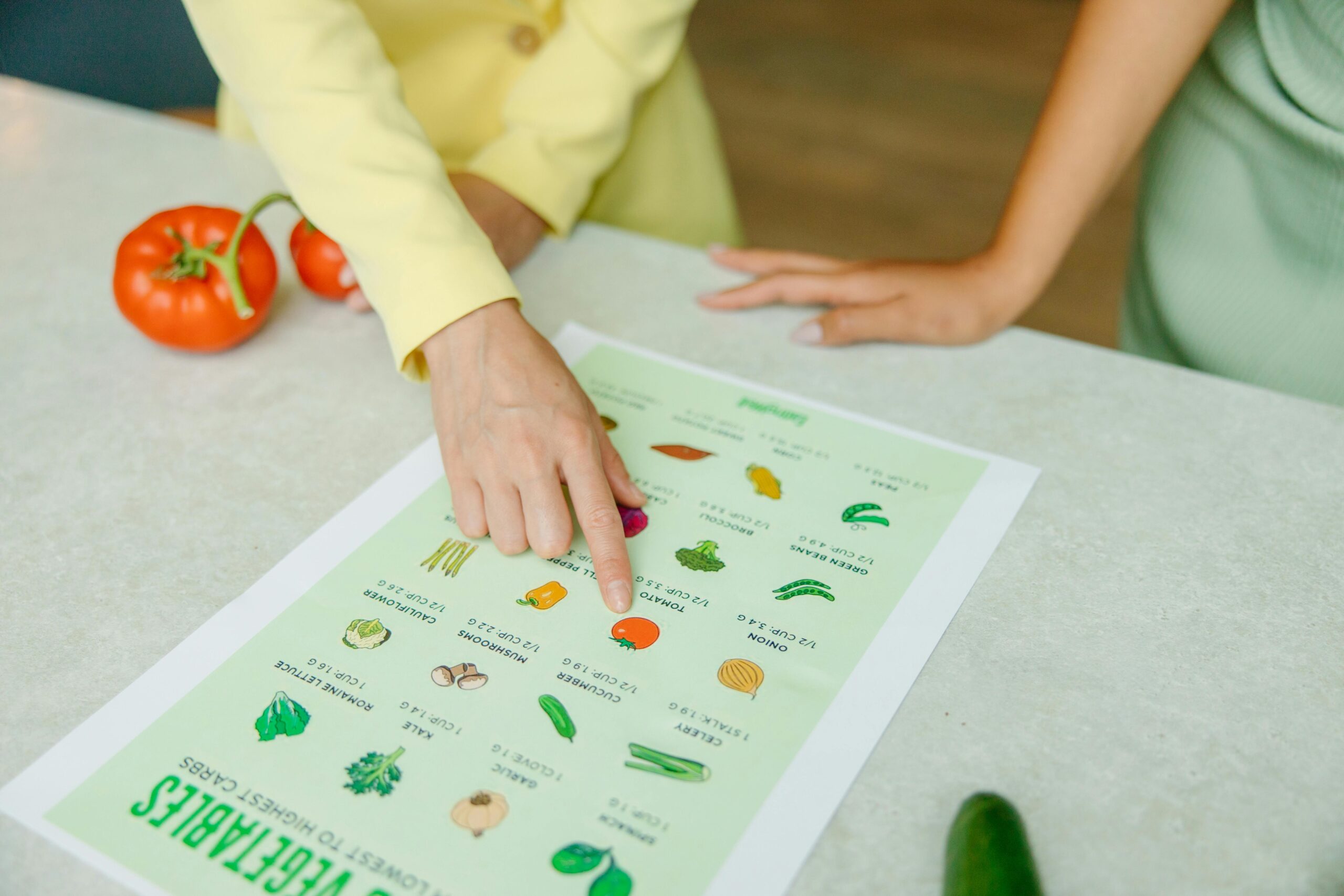
Achieving lasting wellness isn’t about perfection—it’s about building sustainable nutrition habits that fuel your body, mind, and long-term health goals consistently.

🌱 Why Nutrition Consistency Matters More Than Perfection
When it comes to transforming your health through nutrition, the secret ingredient isn’t found in the latest superfood trend or restrictive diet plan. Instead, it lies in something far more accessible: consistency. The human body thrives on regular patterns, and your nutritional habits form the foundation of your overall wellness journey.
Research consistently shows that people who maintain steady, sustainable eating patterns experience better health outcomes than those who cycle through extreme diets followed by periods of nutritional chaos. Your body’s metabolism, hormonal balance, digestive health, and even mental clarity depend on receiving adequate, balanced nutrition regularly—not sporadically.
The challenge most people face isn’t knowing what healthy eating looks like; it’s implementing those principles day after day, week after week, despite busy schedules, social pressures, and emotional fluctuations. This is where strategic planning and practical approaches become invaluable tools in your wellness arsenal.
Understanding Your Nutritional Foundation
Before diving into strategies, it’s essential to understand what constitutes a solid nutritional foundation. Your body requires a balance of macronutrients—proteins, carbohydrates, and fats—along with micronutrients including vitamins, minerals, and phytonutrients. Each plays distinct roles in maintaining optimal health.
Proteins serve as building blocks for muscles, enzymes, and hormones. Carbohydrates provide quick energy and fuel brain function. Healthy fats support hormone production, nutrient absorption, and cellular health. Meanwhile, micronutrients act as cofactors in countless biochemical processes that keep you functioning optimally.
Rather than viewing foods as “good” or “bad,” consider them on a spectrum of nutritional density. Whole foods—vegetables, fruits, whole grains, lean proteins, nuts, and seeds—offer higher concentrations of beneficial nutrients per calorie compared to processed alternatives. Building your diet around these nutrient-dense options naturally supports your health goals.
🎯 Setting Realistic Nutrition Goals That Stick
One of the primary reasons people abandon nutrition plans is setting unrealistic expectations. Dramatic dietary overhauls might work temporarily, but they rarely lead to lasting change. Instead, focus on incremental improvements that compound over time.
Start by assessing your current eating patterns honestly. Keep a food journal for three to five days, noting not just what you eat, but when, why, and how you feel afterward. This awareness creates a baseline understanding of your habits, triggers, and patterns.
From this baseline, identify one to three specific, measurable improvements you can implement immediately. Rather than “eat healthier,” try “add one serving of vegetables to lunch and dinner” or “replace afternoon processed snacks with fruit and nuts.” These concrete targets are easier to track and achieve consistently.
The SMART Framework for Nutrition Goals
Applying the SMART criteria—Specific, Measurable, Achievable, Relevant, Time-bound—to your nutrition objectives dramatically increases success rates. For example: “I will meal prep for four lunches every Sunday for the next month” checks all these boxes and creates clear accountability.
Remember that goals should evolve as you progress. Once a new habit becomes automatic, you can layer additional improvements. This gradual approach prevents overwhelm and builds genuine lifestyle changes rather than temporary fixes.
Strategic Meal Planning and Preparation
Consistency in nutrition rarely happens by accident. It requires intentional planning and preparation, particularly during busy seasons of life. Meal planning doesn’t need to be elaborate or time-consuming to be effective.
Dedicate 15-20 minutes weekly to outline your meals. Consider your schedule, identifying days when you’ll need quick options versus when you have time for more involved cooking. Build your plan around versatile ingredients that can be used across multiple meals, reducing both cost and food waste.
Batch cooking is a game-changer for maintaining consistency. Prepare larger quantities of staples like grains, proteins, and roasted vegetables during less busy periods. Store them in portioned containers for easy assembly throughout the week. This approach makes healthy eating as convenient as less nutritious alternatives.
Building Your Meal Prep Routine 🥗
Start small if meal prep feels overwhelming. Even preparing just your breakfast and snacks for the week creates momentum and frees up daily decision-making energy. As you become comfortable, expand to include more meals.
Invest in quality storage containers that make portioning and reheating simple. Glass containers with compartments work particularly well for maintaining food quality and creating visually appealing meals that you’ll actually want to eat.
Theme your meal prep sessions to maintain variety without complexity. One week might focus on Mediterranean flavors, another on Asian-inspired dishes. This prevents boredom while keeping the shopping and preparation processes streamlined.
Navigating Common Obstacles to Nutritional Consistency
Even with the best intentions and planning, obstacles inevitably arise. Anticipating these challenges and developing response strategies significantly improves your ability to maintain consistency through various circumstances.
Time constraints rank among the most frequently cited barriers. Combat this by keeping a well-stocked pantry with healthy staples that enable quick meal assembly. Canned beans, frozen vegetables, whole grain pasta, canned fish, and nut butters can create nutritious meals in minutes.
Social situations present another common challenge. Rather than viewing social eating as all-or-nothing, approach these occasions with flexibility. Eat a balanced snack before attending events to avoid arriving overly hungry, which often leads to less mindful choices. Focus on enjoying company and conversation rather than making food the centerpiece.
Emotional Eating and Stress Management
Many people turn to food for comfort during stressful periods, which can derail nutritional consistency. Recognizing this pattern is the first step toward developing alternative coping mechanisms. Create a list of non-food stress relief strategies—walking, calling a friend, deep breathing exercises, or engaging in a hobby—and practice implementing them when emotional eating urges arise.
This doesn’t mean food can never provide comfort; rather, the goal is expanding your toolkit so food isn’t the only or primary coping mechanism. Mindful eating practices, where you slow down and truly savor foods you love, can satisfy emotional needs more effectively than mindless consumption.
💧 Hydration: The Often Overlooked Nutrition Component
While discussions of nutrition typically focus on food, adequate hydration is equally crucial for optimal health. Water participates in virtually every bodily function, from nutrient transport to temperature regulation, joint lubrication to waste elimination.
Individual hydration needs vary based on activity level, climate, body size, and other factors, but general guidelines suggest aiming for approximately half your body weight in ounces daily. Someone weighing 160 pounds would target roughly 80 ounces of water throughout the day.
Make hydration convenient by keeping water readily accessible. Fill a reusable bottle each morning and refill it throughout the day. Many people find tracking apps helpful for building this habit until it becomes automatic.
If plain water feels boring, enhance it naturally with fresh fruit slices, cucumber, herbs like mint or basil, or a squeeze of citrus. Herbal teas also contribute to hydration while providing variety and potentially beneficial plant compounds.
Building a Supportive Food Environment
Your physical environment significantly influences your eating behaviors. Research in behavioral psychology demonstrates that people eat what’s visible, accessible, and convenient. Use this principle to your advantage by strategically organizing your food spaces.
Keep nutritious options at eye level in your refrigerator and pantry, while storing less healthy choices in harder-to-reach locations or opaque containers. This simple adjustment removes decision fatigue and makes healthy choices the path of least resistance.
Stock your kitchen with the tools that make healthy cooking easier: sharp knives, cutting boards, quality pans, and storage containers. When preparation feels effortless, you’re more likely to choose home-cooked meals over convenience options.
Smart Shopping Strategies for Nutritional Success
Grocery shopping with intention prevents impulsive purchases that undermine your nutrition goals. Always shop with a list based on your meal plan, and avoid shopping when hungry, which typically leads to less nutritious selections.
Focus your shopping on the store’s perimeter, where fresh produce, proteins, and dairy typically reside. While the interior aisles contain important staples like whole grains and canned goods, they also house most processed foods. When purchasing packaged items, read ingredient lists rather than relying solely on marketing claims.
Consider seasonal and local produce when possible. These options often offer superior flavor, freshness, and nutritional value while supporting sustainable food systems. Frozen vegetables and fruits provide convenient, affordable alternatives that retain excellent nutritional profiles.
🍎 Flexible Eating: The 80/20 Approach
Sustainability requires flexibility. The 80/20 principle suggests that if you eat nutrient-dense, whole foods about 80% of the time, you can enjoy less nutritious favorites the remaining 20% without derailing your health goals. This approach prevents the deprivation mindset that often leads to binge-restrict cycles.
What matters most isn’t perfection at every meal, but rather the overall pattern of your eating across days and weeks. One indulgent meal or even an entire day of less optimal choices doesn’t negate weeks of consistent healthy eating. Release the all-or-nothing mentality and embrace the middle ground where sustainable wellness lives.
This flexibility also honors the social and emotional dimensions of eating. Food connects us to culture, celebration, and community. Completely eliminating foods you love or avoiding social eating situations entirely isn’t necessary for health and may actually harm your overall well-being by creating unnecessary stress and isolation.
Tracking Progress Beyond the Scale
While many people focus exclusively on weight when evaluating nutritional success, this singular metric misses the broader picture of health improvements. Consistent quality nutrition impacts numerous aspects of wellness that deserve recognition and celebration.
Monitor changes in energy levels, sleep quality, mental clarity, mood stability, digestion, skin appearance, and physical performance. These non-scale victories often appear before significant weight changes and provide powerful motivation to maintain consistency.
If you do track metrics, consider measurements like how your clothes fit, body composition changes, or fitness performance improvements rather than weight alone. Remember that muscle tissue is denser than fat tissue, so someone building muscle while losing fat might see minimal weight change despite significant body composition improvements.
Creating Your Personal Wellness Journal 📝
A wellness journal provides space to document not just what you eat, but how you feel, what challenges arose, strategies that worked, and patterns you notice over time. This record becomes invaluable for identifying what specifically supports your individual wellness.
Include sections for meal planning, grocery lists, favorite recipes, and reflections. Review your journal monthly to recognize patterns, celebrate progress, and adjust strategies as needed. This practice builds self-awareness and keeps you connected to your why—the deeper reasons you’re prioritizing nutritional wellness.
🤝 Leveraging Social Support and Accountability
Humans are inherently social creatures, and our behaviors are significantly influenced by our social environments. Sharing your wellness goals with supportive friends, family members, or communities increases accountability and provides encouragement during challenging periods.
Consider finding an accountability partner with similar goals. Regular check-ins create mutual support and normalize the ups and downs of behavior change. Many people find online communities centered around healthy living provide inspiration, practical tips, and encouragement from others on similar journeys.
If your immediate social circle doesn’t support your health goals, seek out new communities. Cooking classes, farmers market visits, fitness groups, or nutrition-focused workshops introduce you to like-minded individuals who reinforce rather than undermine your wellness priorities.
Adapting Your Nutrition Through Life Stages
Nutritional needs evolve throughout life based on age, activity level, stress, health status, and other factors. What supported your wellness at 25 might require adjustment at 45 or 65. Remaining flexible and responsive to your body’s changing needs maintains consistency across decades.
Major life transitions—starting a demanding job, having children, dealing with health challenges, or entering retirement—often disrupt established routines. Rather than abandoning healthy habits during these periods, adapt them to fit new circumstances. Simplified meal prep, more convenient healthy options, or adjusted timing might be necessary temporarily.
Regular reflection ensures your nutrition approach continues serving your current life rather than remaining rigid around what worked previously. This adaptive consistency—maintaining the principle of nutritious eating while flexing the specifics—supports lasting wellness through all of life’s seasons.
🌟 Making Peace with Food: The Mindset Shift
Perhaps the most profound strategy for nutritional consistency involves transforming your relationship with food from one of restriction, guilt, and rules to one of nourishment, enjoyment, and intuition. This mindset shift removes the internal conflict that makes consistency feel like constant willpower.
Practice mindful eating by slowing down, removing distractions, and truly tasting your food. Notice flavors, textures, and your body’s hunger and fullness signals. This awareness naturally guides you toward appropriate portions and prevents the disconnected eating that often characterizes modern life.
Release moralistic language around food choices. Labeling foods as “good” or “bad” and yourself as “good” or “bad” based on eating decisions creates unnecessary shame and often triggers reactive eating patterns. Instead, think in terms of foods that make you feel energized versus sluggish, satisfied versus still hungry, or aligned with your goals versus not particularly supportive.
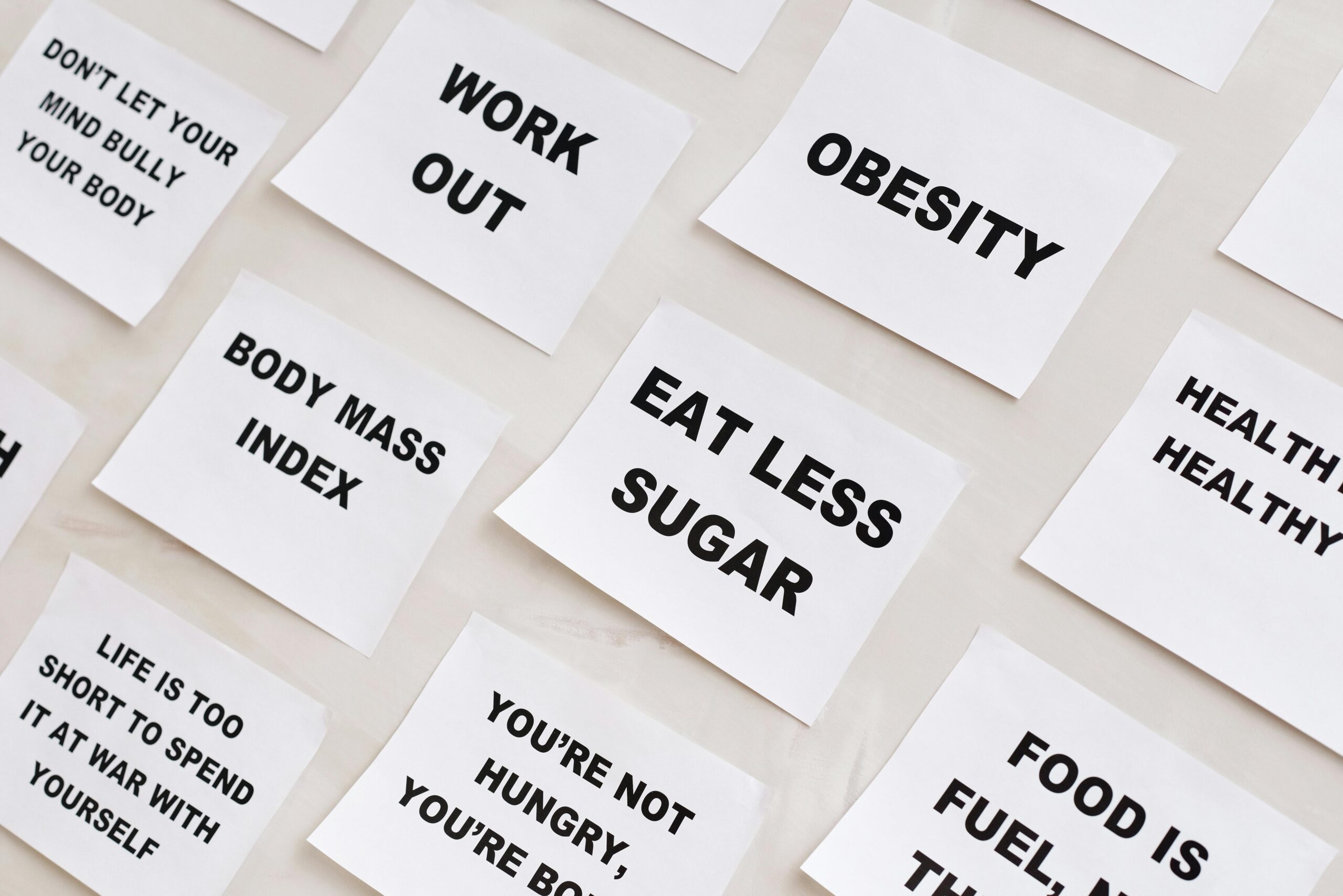
Celebrating Your Unique Wellness Journey
Your path to nutritional consistency and lasting wellness is uniquely yours. What works brilliantly for someone else might not suit your preferences, lifestyle, or body. Give yourself permission to experiment, adjust, and create an approach that feels sustainable and enjoyable specifically for you.
Recognize that setbacks and imperfect days are inevitable and valuable parts of the process. They provide information about what didn’t work and opportunities to practice self-compassion rather than self-criticism. Each day offers a fresh opportunity to nourish yourself well, regardless of yesterday’s choices.
Lasting wellness isn’t a destination you reach and maintain effortlessly forever. It’s an ongoing practice of making choices aligned with your health, adapting to life’s changes, learning from experiences, and consistently showing up for yourself with patience and care. This journey, with all its imperfections, is where true health transformation happens.
By implementing these practical strategies—realistic goal-setting, strategic planning, environment optimization, flexible thinking, and self-compassion—you create the conditions for nutritional consistency that fuels not just physical health, but overall wellness and vitality. Start where you are, use what you have, and trust that small, consistent actions compound into remarkable transformation over time. Your healthiest, most vibrant self emerges not from perfection, but from persistent, compassionate consistency. 🌈