Long shifts drain your energy and tax your body, making post-shift recovery nutrition critical for sustaining performance, mental clarity, and overall health in demanding work environments.

🔋 Why Recovery Nutrition Matters More Than You Think
After enduring extended work hours, your body resembles a depleted battery desperately needing a recharge. Whether you’re a healthcare professional finishing a twelve-hour hospital shift, a warehouse worker who’s been on their feet all day, or a first responder completing an overnight rotation, your muscles, brain, and metabolic systems have been working overtime.
Recovery nutrition isn’t just about satisfying hunger—it’s about strategically replenishing glycogen stores, repairing muscle tissue, reducing inflammation, and setting your body up for restorative sleep. When you neglect proper post-shift nutrition, you’re essentially asking your body to run on fumes, which leads to decreased performance, increased injury risk, weakened immunity, and eventual burnout.
Research consistently shows that what you consume in the hours immediately following physical and mental exertion significantly impacts recovery speed and quality. The right nutritional approach can mean the difference between waking up refreshed versus dragging yourself through another exhausting day.
⏰ The Critical Recovery Window: Timing Your Nutrition
The thirty to sixty minutes immediately following your shift represents a metabolic window of opportunity when your body is primed to absorb nutrients most efficiently. During this period, your muscles are particularly receptive to glucose uptake, and protein synthesis rates are elevated.
However, understanding the reality of post-shift life is equally important. You might not always have immediate access to ideal foods right when your shift ends. That’s okay—while the immediate post-shift window is valuable, the overall quality of your nutrition in the hours following work matters more than perfect timing.
Creating a Practical Timeline
Within the first hour after your shift, aim for a combination of easily digestible carbohydrates and quality protein. This could be as simple as a protein shake with a banana, Greek yogurt with berries, or a turkey sandwich on whole grain bread. The goal is convenience combined with nutritional value.
Within two to three hours, focus on a more substantial meal that includes vegetables, complex carbohydrates, lean proteins, and healthy fats. This comprehensive meal supports continued recovery while preparing your body for rest.
🥗 Building Your Perfect Recovery Plate
Understanding macronutrient ratios helps you construct meals that optimize recovery without overthinking every bite. Your post-shift plate should generally follow a balanced approach that addresses multiple recovery needs simultaneously.
Protein: The Repair Foundation
Protein provides the amino acids necessary for repairing damaged muscle tissue and supporting immune function. After long shifts involving physical labor or even prolonged standing, your muscles need these building blocks.
Aim for twenty to forty grams of high-quality protein in your post-shift meal. Excellent sources include chicken breast, salmon, eggs, Greek yogurt, cottage cheese, legumes, and lean beef. Plant-based workers can combine quinoa with beans, or choose tofu and tempeh for complete protein profiles.
Carbohydrates: Restoring Energy Reserves
Carbohydrates replenish glycogen stores that fuel both physical movement and cognitive function. After extended shifts, these reserves are typically depleted, leaving you foggy and fatigued.
Focus on complex carbohydrates that provide sustained energy release: sweet potatoes, brown rice, quinoa, oats, whole grain pasta, and fruit. These options deliver nutrients alongside energy, unlike refined carbohydrates that spike blood sugar temporarily before causing crashes.
Healthy Fats: Fighting Inflammation
Omega-3 fatty acids and other healthy fats combat the inflammation that accumulates during long work periods. They also support hormone production and nutrient absorption.
Include avocado, nuts, seeds, olive oil, fatty fish like salmon or mackerel, and nut butters in your recovery meals. These fats also promote satiety, helping you feel satisfied without overeating.
💧 Hydration: The Often Forgotten Recovery Essential
Dehydration significantly impairs recovery, yet many shift workers chronically under-consume fluids. Even mild dehydration reduces cognitive performance, increases perceived effort, and slows physical recovery.
During long shifts, you lose fluids through sweat, breathing, and metabolic processes. If you work in hot environments, wear heavy protective equipment, or have limited bathroom access that discourages drinking, dehydration becomes even more likely.
Strategic Rehydration Approach
Immediately after your shift, begin rehydrating with water. A useful guideline suggests drinking sixteen to twenty ounces within the first hour post-shift. Monitor your urine color—pale yellow indicates adequate hydration, while dark yellow signals a need for more fluids.
For shifts involving heavy sweating or lasting longer than ten hours, consider electrolyte replacement. This doesn’t require expensive sports drinks; coconut water, a pinch of salt in your water, or electrolyte tablets work effectively.
Avoid using caffeine or alcohol as primary rehydration sources. While a post-shift coffee or beer might be tempting, both have diuretic effects that can worsen dehydration. If you choose these beverages, consume additional water alongside them.
🍽️ Practical Recovery Meals for Real Life
Theory means nothing without practical application. Here are realistic recovery meal ideas designed for tired workers who need nutrition without complexity.
Quick Recovery Options (Under 10 Minutes)
- Smoothie with protein powder, frozen berries, spinach, banana, and almond milk
- Greek yogurt bowl with granola, sliced almonds, and fresh fruit
- Whole grain toast with almond butter, sliced banana, and a glass of milk
- Hummus with whole grain pita, cherry tomatoes, and string cheese
- Protein shake with a handful of trail mix
Substantial Recovery Meals (20-30 Minutes)
- Grilled chicken breast with roasted sweet potato and steamed broccoli
- Salmon fillet with quinoa and mixed greens salad
- Turkey and vegetable stir-fry over brown rice
- Egg omelet with vegetables, whole grain toast, and avocado slices
- Lentil soup with whole grain bread and side salad
Meal Prep Strategies That Actually Work
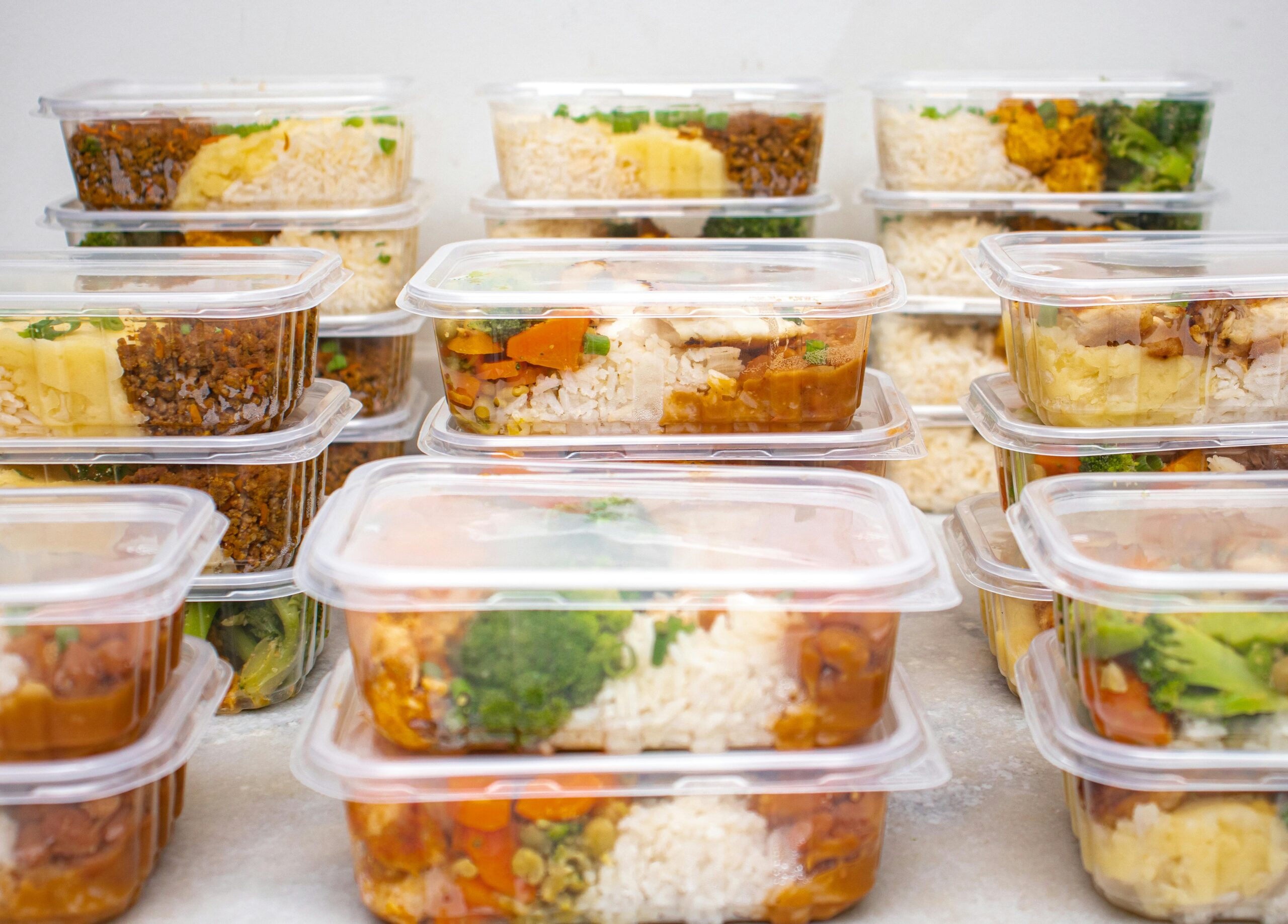
Preparing recovery meals during your days off eliminates decision fatigue and ensures nutritious options are readily available. Batch-cook proteins like grilled chicken, hard-boiled eggs, or baked tofu. Pre-portion complex carbohydrates like quinoa or brown rice. Wash and chop vegetables so they’re grab-and-go ready.
Invest in quality storage containers that make reheating simple. Glass containers work well for most foods and can transition from refrigerator to microwave seamlessly.
😴 Eating for Better Sleep After Night Shifts
Night shift workers face unique recovery challenges since their nutrition must support both recovery and prepare the body for daytime sleep. This requires strategic food choices that promote relaxation without causing digestive discomfort.
After night shifts, avoid heavy, high-fat meals immediately before attempting to sleep. While fats are important for recovery, they slow digestion and can interfere with sleep quality when consumed in large amounts right before bed.
Sleep-Promoting Food Choices
Certain foods naturally support sleep by providing tryptophan, magnesium, or other compounds that facilitate relaxation. Consider incorporating turkey, salmon, tart cherry juice, bananas, almonds, oatmeal, or chamomile tea into your post-night-shift routine.
A balanced meal containing complex carbohydrates and moderate protein about two hours before your intended sleep time works well for many night shift workers. This timing allows initial digestion while providing steady energy release that prevents middle-of-sleep hunger pangs.
☕ Managing Caffeine Strategically
Caffeine serves as a valuable tool for maintaining alertness during long shifts, but poor timing interferes with post-shift recovery and sleep quality. Understanding caffeine’s half-life—the time it takes for half the caffeine to leave your system—helps you use it strategically.
Caffeine’s half-life averages five to six hours, meaning that coffee consumed six hours before your desired sleep time still has significant amounts circulating when you’re trying to rest. For optimal recovery, establish a caffeine cutoff time based on when your shift ends and when you need to sleep.
If you work a typical day shift ending at 5 PM and sleep around 11 PM, cutting off caffeine around 3-4 PM makes sense. Night shift workers should stop caffeine consumption several hours before their shift ends to allow levels to drop before attempting daytime sleep.
🛡️ Supplements: Helpful Additions, Not Magic Solutions
While whole foods should form your nutritional foundation, certain supplements can support recovery for shift workers who struggle to meet all needs through diet alone.
Evidence-Based Supplement Options
Protein powder offers convenient, portable protein that’s especially useful immediately post-shift. Whey protein absorbs quickly, while plant-based options work well for those with dairy sensitivities or dietary preferences.
Omega-3 supplements provide anti-inflammatory benefits when fish consumption is limited. Look for products containing both EPA and DHA, the most beneficial omega-3 forms.
Magnesium supports muscle relaxation and sleep quality—two areas where shift workers commonly struggle. Magnesium glycinate tends to be well-tolerated and effective.
Vitamin D deficiency is common among shift workers, particularly those sleeping during daylight hours. Having levels tested and supplementing as needed supports immune function and overall health.
What to Skip
Avoid expensive “recovery formulas” making grandiose promises. Most contain ingredients you can obtain more affordably through whole foods or basic supplements. Excessive supplementation can create imbalances or waste money on compounds your body simply excretes.
🍕 Handling Cravings Without Derailing Recovery
After exhausting shifts, intense cravings for comfort foods, sweets, or fast food are completely normal. These cravings stem from depleted energy stores, stress, and the psychological need for reward after difficult work.
Rather than fighting cravings with pure willpower—which rarely works long-term—develop strategies that acknowledge them while minimizing their impact on recovery.
The Balanced Approach
If you’re craving pizza after your shift, have pizza—but pair it with a side salad and ensure you’ve hydrated adequately. Craving something sweet? Choose dark chocolate with nuts rather than candy, or Greek yogurt with honey instead of ice cream.
This approach, sometimes called the 80/20 rule, means eating nutritiously 80% of the time while allowing flexibility for cravings and social eating the remaining 20%. This sustainability prevents the restriction-binge cycle that derails many well-intentioned nutrition plans.
📱 Tracking Progress Without Obsession
Monitoring how different foods affect your energy and recovery helps optimize your approach over time. However, obsessive tracking can create stress that counteracts nutritional benefits.
Consider keeping a simple journal noting what you ate post-shift, how you slept, and your energy levels the following day. Over several weeks, patterns emerge showing which foods support your recovery best and which leave you feeling sluggish.
Various apps can help track nutrition, hydration, and energy levels if you prefer digital solutions. These tools work best when used as information sources rather than rigid rule enforcers.
🔄 Adjusting Your Approach Based on Shift Type
Different shift patterns require nutritional adjustments. Rotating shifts, permanent nights, extended shifts, and split shifts each present unique challenges.
For rotating shifts, consistency becomes difficult but remains important. Establish flexible nutrition principles—prioritizing protein and hydration, for example—that work regardless of schedule changes.
Permanent night shift workers benefit from establishing a consistent routine that aligns with their reversed schedule, treating post-shift nutrition the way day workers treat dinner.
Extended shifts lasting twelve or more hours require intra-shift nutrition planning alongside post-shift recovery. Pack balanced snacks and meals to maintain energy throughout your shift, which supports better post-shift recovery.

💪 Transforming Exhaustion Into Sustained Energy
Recovery nutrition represents an investment in your long-term health, career sustainability, and quality of life. While grabbing whatever’s convenient might seem easier in the moment, this approach accumulates into chronic fatigue, declining health, and diminished work performance over time.
Start with small, manageable changes rather than attempting a complete nutritional overhaul overnight. Perhaps you begin by simply hydrating better post-shift, then gradually add a protein-rich snack, then eventually incorporate more comprehensive recovery meals.
Remember that perfect nutrition doesn’t exist. Life happens, schedules change, and sometimes you’ll eat less-than-ideal foods. What matters is your overall pattern, not individual meals. Consistency with good-enough nutrition beats sporadic perfection every time.
Your body works incredibly hard during those long shifts, adapting to physical demands, mental stress, and irregular schedules. Providing it with proper recovery nutrition isn’t indulgence—it’s essential maintenance that allows you to continue showing up, performing well, and maintaining your health across years of demanding work. By implementing these recovery nutrition strategies, you’re not just refueling for tomorrow’s shift; you’re building a foundation for sustained energy, better health, and a longer, more satisfying career. 🌟