Finding the sweet spot between your morning coffee and proper nutrition can transform how you feel throughout your day, elevating both physical vitality and mental clarity.

We live in a world where caffeine has become more than just a beverage—it’s a daily ritual, a productivity tool, and for many, a necessity. From the first cup of coffee that kickstarts our morning to the afternoon tea that helps us push through the day’s final hours, caffeine plays a starring role in our energy management strategy. But here’s the thing: caffeine is only one piece of the puzzle when it comes to sustained energy and overall well-being.
The relationship between caffeine consumption and nutrition is far more intricate than most people realize. While that espresso shot might give you an immediate boost, without the right nutritional foundation, you’re essentially building your energy house on sand. The key lies not in choosing between caffeine or nutrition, but in understanding how to harmonize both for optimal results.
This comprehensive guide will walk you through the science-backed strategies to master this balance, helping you maintain consistent energy levels, support your metabolic health, and enhance your overall quality of life without the dreaded crashes or nutritional deficiencies that often accompany caffeine consumption.
☕ Understanding Caffeine’s Role in Your Body
Caffeine is the world’s most widely consumed psychoactive substance, and for good reason. When you consume caffeine, it blocks adenosine receptors in your brain—adenosine being the neurotransmitter that promotes sleepiness. This blocking action creates that familiar alert, focused feeling we associate with our favorite caffeinated beverages.
But caffeine’s effects extend far beyond simple wakefulness. Research shows that caffeine can enhance physical performance by up to 12%, improve mental focus and reaction time, and even boost your metabolic rate by 3-11%. These benefits make caffeine an attractive tool for anyone looking to optimize their daily performance.
However, caffeine also triggers the release of cortisol and adrenaline, your body’s stress hormones. While this can sharpen your focus in the short term, excessive or poorly timed caffeine consumption can lead to jitters, anxiety, disrupted sleep patterns, and eventually, burnout. This is where the balance with proper nutrition becomes absolutely critical.
The Half-Life Factor You Need to Know
Caffeine has a half-life of approximately 5-6 hours in the average adult. This means that if you drink a cup of coffee containing 200mg of caffeine at 3 PM, you’ll still have roughly 100mg circulating in your system at 9 PM. This biological reality has profound implications for both your sleep quality and nutritional needs throughout the day.
Understanding this timing helps you strategically plan both your caffeine intake and your meals to work synergistically rather than against each other. The goal isn’t to eliminate caffeine but to use it intelligently alongside proper nutrition.
🥗 The Nutritional Foundation for Sustained Energy
While caffeine can provide a temporary energy boost, genuine, lasting vitality comes from cellular energy production—and that requires proper nutrition. Your body produces energy at the cellular level through a process involving mitochondria, which need specific nutrients to function optimally.
The key nutrients for sustained energy production include B vitamins (especially B12, B6, and folate), iron, magnesium, coenzyme Q10, and complex carbohydrates. Without adequate levels of these nutrients, no amount of caffeine will prevent you from feeling exhausted, because you’re not addressing the root cause of low energy.
Many people unknowingly create a vicious cycle: they feel tired due to nutritional deficiencies, drink more coffee to compensate, which further depletes certain nutrients and interferes with appetite and nutrient absorption, leading to even more fatigue. Breaking this cycle requires understanding how caffeine and nutrition interact.
Caffeine’s Impact on Nutrient Absorption
Here’s something most coffee lovers don’t realize: caffeine can interfere with the absorption of several important nutrients. Specifically, caffeine consumption can reduce iron absorption by up to 39% when consumed with meals, interfere with calcium absorption, and increase the urinary excretion of minerals like magnesium and potassium.
This doesn’t mean you need to give up your beloved coffee or tea. It simply means you need to be strategic about timing and ensure you’re getting adequate amounts of these nutrients through your diet or supplementation. For instance, consuming iron-rich foods or supplements at least an hour before or two hours after your caffeinated beverages can help mitigate absorption issues.
⚖️ Creating Your Perfect Caffeine-Nutrition Balance
Achieving the ideal balance between caffeine and nutrition isn’t about following a one-size-fits-all formula. Your perfect balance depends on factors like your genetic caffeine metabolism (yes, some people are genetically fast or slow caffeine metabolizers), your activity level, stress levels, sleep quality, and overall health status.
That said, there are universal principles that can guide you toward finding your personal sweet spot. The foundation involves timing your caffeine intake strategically, pairing it with appropriate foods, ensuring adequate hydration, and maintaining a nutrient-dense diet that supports your body’s energy production systems.
The Strategic Timing Approach
One of the most powerful strategies for balancing caffeine and nutrition involves working with your body’s natural cortisol rhythm. Cortisol, often called the stress hormone, naturally peaks in the morning (typically between 8-9 AM) and gradually decreases throughout the day.
Consuming caffeine during your natural cortisol peak can lead to tolerance buildup and may not provide the boost you’re seeking. Instead, consider having your first caffeinated beverage 90 minutes after waking, when cortisol begins to dip. This timing maximizes caffeine’s benefits while supporting rather than disrupting your hormonal balance.
Similarly, cut off caffeine consumption at least 8-10 hours before bedtime. Quality sleep is perhaps the most crucial factor in energy and well-being, and even if you think caffeine doesn’t affect your sleep, studies show it reduces deep sleep quality even when you fall asleep normally.
🍳 Foods That Enhance Caffeine’s Benefits
Certain foods can amplify caffeine’s positive effects while mitigating its downsides. The key is to pair your caffeinated beverages with foods that slow caffeine absorption, stabilize blood sugar, and provide the nutrients needed for sustained energy production.
Protein-rich foods are excellent companions to your morning coffee. Eggs, Greek yogurt, or a protein smoothie consumed with or shortly after caffeine can slow its absorption, providing a more gradual and sustained energy lift rather than a sharp spike and crash. Protein also helps stabilize blood sugar, preventing the energy rollercoaster that often accompanies caffeine on an empty stomach.
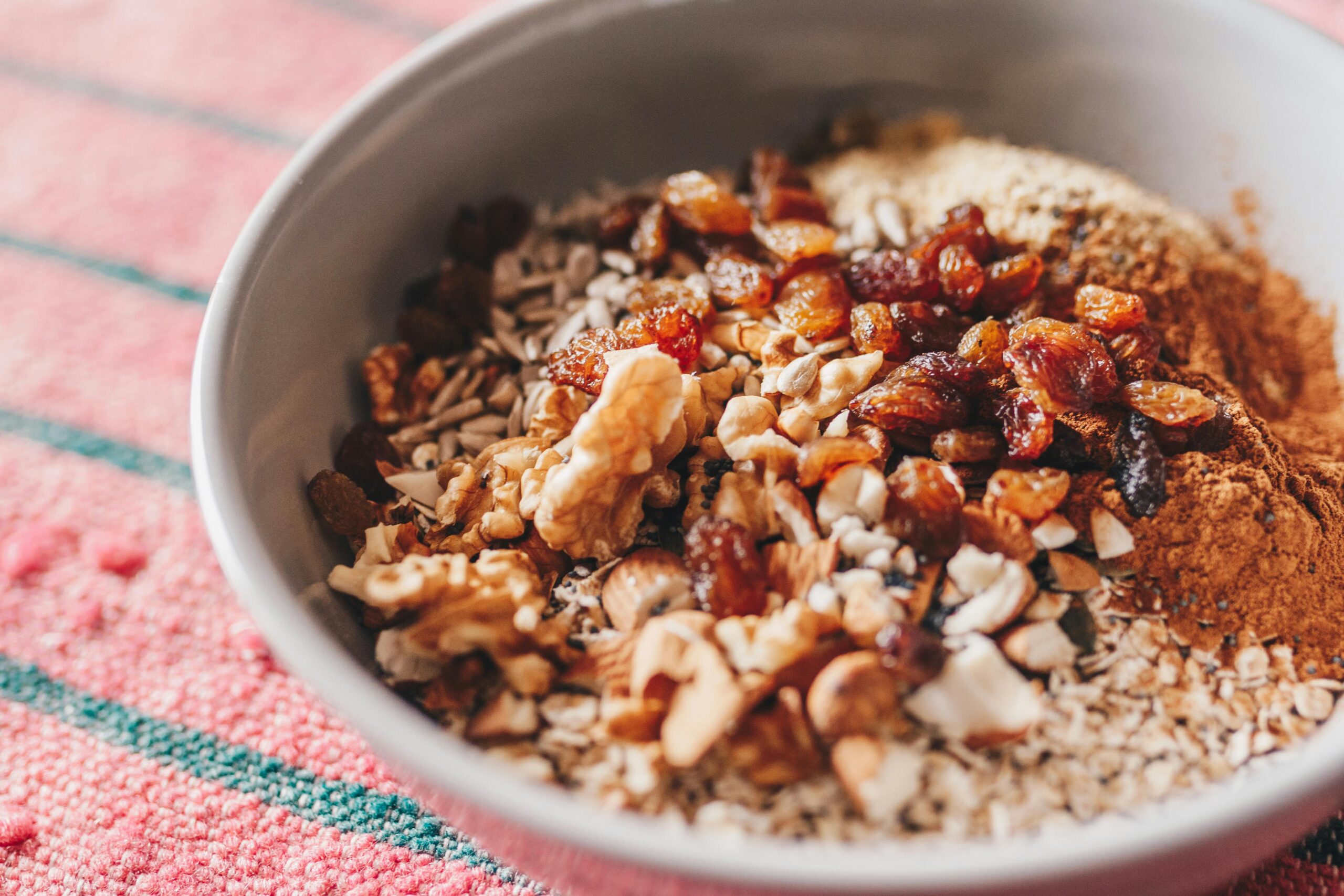
Healthy fats from sources like avocados, nuts, seeds, or coconut oil also slow caffeine absorption and provide sustained energy. Additionally, fats are essential for absorbing fat-soluble vitamins (A, D, E, and K), which play crucial roles in overall health and vitality.
The Power of Complex Carbohydrates
While caffeine temporarily boosts energy, your brain and body still need glucose for optimal function. Complex carbohydrates from whole grains, sweet potatoes, oats, and legumes provide steady glucose release without the blood sugar spikes and crashes associated with refined carbs.
Pairing your afternoon caffeine with a snack containing complex carbs, protein, and healthy fats—like apple slices with almond butter or whole-grain toast with avocado—can help maintain steady energy through the typically sluggish mid-afternoon hours.
💧 The Hydration Connection Often Overlooked
Caffeine has mild diuretic properties, meaning it can increase urine production and potentially contribute to dehydration if you’re not mindful. Even mild dehydration can cause fatigue, headaches, difficulty concentrating, and mood changes—symptoms people often try to combat with more caffeine, perpetuating the problem.
A practical guideline is to drink one glass of water for every caffeinated beverage you consume. This simple habit can dramatically improve how you feel throughout the day and enhance caffeine’s positive effects while minimizing potential downsides.
Proper hydration also supports nutrient transport throughout your body, toxin elimination, and every metabolic process. Think of water as the delivery system that brings all those energy-supporting nutrients to your cells where they’re needed.
🏃 Matching Caffeine and Nutrition to Your Activity Level
Your physical activity level should influence both your caffeine consumption and nutritional needs. Athletes and highly active individuals can generally tolerate higher caffeine intake and have greater nutritional demands, particularly for protein, carbohydrates, and electrolytes.
If you exercise regularly, strategic caffeine timing can enhance performance. Consuming caffeine 30-60 minutes before a workout can improve endurance, strength, and focus. However, this pre-workout caffeine needs to be supported by proper pre- and post-workout nutrition to fuel performance and recovery.
For those with sedentary lifestyles, excessive caffeine without corresponding activity can lead to jitteriness and anxiety. If you’re not burning through the energy that caffeine mobilizes, consider reducing intake or adding more movement to your day to better utilize caffeine’s energizing effects.
Recovery Nutrition Matters
Post-exercise nutrition is crucial for recovery, and caffeine can play a role here too. Some research suggests that caffeine combined with carbohydrates after exercise can enhance glycogen replenishment compared to carbohydrates alone. However, timing matters—avoid caffeine too close to bedtime even after evening workouts, as recovery happens primarily during sleep.
🧘 Stress, Caffeine, and Nutritional Needs
Chronic stress significantly impacts both how your body handles caffeine and your nutritional requirements. When you’re stressed, your body produces more cortisol, and adding caffeine to an already elevated cortisol state can amplify feelings of anxiety, disrupt sleep, and impair digestion and nutrient absorption.
During high-stress periods, consider reducing caffeine intake while increasing your consumption of stress-supporting nutrients like magnesium (found in leafy greens, nuts, and seeds), vitamin C (citrus fruits, bell peppers, berries), and omega-3 fatty acids (fatty fish, walnuts, flaxseeds).
Adaptogenic herbs like ashwagandha, rhodiola, and holy basil can also help modulate your stress response. Some people find that replacing one or two daily coffee servings with adaptogenic herbal teas provides sustained energy without the added stress burden of caffeine.
📊 Tracking Your Personal Balance
Finding your perfect caffeine-nutrition balance requires self-awareness and sometimes a bit of experimentation. Consider keeping a simple journal tracking your caffeine intake timing, what you eat throughout the day, your energy levels, mood, sleep quality, and any symptoms like jitters, crashes, or digestive issues.
After a week or two, patterns typically emerge. You might notice that caffeine after 2 PM disrupts your sleep, or that skipping breakfast with your coffee leads to mid-morning crashes. These insights are invaluable for fine-tuning your approach.
Several apps can help you track both nutrition and caffeine intake, making it easier to identify patterns and optimize your routine. These digital tools can provide insights into whether you’re getting adequate nutrients and how your caffeine timing correlates with energy fluctuations throughout your day.
🌟 Signs You’ve Found Your Sweet Spot
When you’ve successfully mastered the balance between caffeine and nutrition, you’ll notice several positive indicators. Your energy levels remain relatively stable throughout the day without dramatic spikes and crashes. You fall asleep easily at night and wake feeling refreshed. Your mood is stable, and you don’t experience the irritability or anxiety that can accompany caffeine overconsumption.
You’ll also notice that you don’t feel dependent on caffeine to function. While you may still enjoy your coffee or tea ritual, you could skip it without experiencing debilitating headaches or fatigue. This psychological and physiological flexibility is a hallmark of a healthy relationship with caffeine.
Additionally, balanced caffeine and nutrition support healthy digestion, stable appetite, good focus and concentration, and consistent workout performance. These are the markers of true energy optimization rather than artificially propping yourself up with stimulants alone.
🔄 Adjusting Your Balance Through Life Changes
Your ideal caffeine-nutrition balance isn’t static—it evolves with your life circumstances. Pregnancy, aging, changes in activity level, shift work, travel across time zones, and health conditions all impact how you should approach this balance.
Pregnant women, for instance, should limit caffeine to 200mg daily (about one 12-oz coffee) and focus intensely on nutrient-dense foods to support fetal development. Older adults often become more sensitive to caffeine and may need to reduce intake while increasing certain nutrients like calcium, vitamin D, and B12.
The key is remaining flexible and attuned to your body’s changing needs. What worked in your twenties might not serve you as well in your forties, and that’s completely normal. Regular reassessment ensures your approach continues supporting your well-being as you move through different life stages.
✨ Building Sustainable Energy Habits
Mastering the balance between caffeine and nutrition isn’t about perfection—it’s about building sustainable habits that support long-term energy and well-being. Small, consistent changes create lasting results far more effectively than dramatic overhauls that are difficult to maintain.
Start by implementing one or two strategies from this guide, such as timing your first coffee 90 minutes after waking or ensuring you eat protein with your morning caffeine. Once these become habitual, add another optimization. This gradual approach builds momentum without overwhelming you.
Remember that occasional deviations are normal and don’t derail your progress. Had a late-night coffee at a social event? No problem—just return to your optimal routine the next day. This flexible, non-perfectionistic mindset is essential for long-term success.
The synergy between strategic caffeine consumption and proper nutrition creates something greater than the sum of its parts. When combined thoughtfully, these two elements support sustained energy, mental clarity, physical performance, and overall vitality in ways that neither can achieve alone. By understanding how caffeine and nutrition interact and implementing the strategies outlined here, you’re not just boosting your energy—you’re investing in a more vibrant, resilient, and energized version of yourself for years to come.