Hydration isn’t just about drinking water—it’s about strategically balancing electrolytes to unlock sustained energy, mental clarity, and athletic performance that keeps you thriving all day long.

🔬 Why Electrolytes Matter More Than You Think
When most people think about staying hydrated, they picture drinking eight glasses of water daily. But here’s the truth: water alone isn’t enough to keep your body functioning optimally. Electrolytes—essential minerals like sodium, potassium, magnesium, and calcium—are the unsung heroes that make hydration work at a cellular level.
These electrically charged minerals regulate everything from nerve impulses and muscle contractions to pH balance and fluid distribution throughout your body. Without adequate electrolytes, even the most dedicated water-drinking routine falls short. You might experience persistent fatigue, mental fog, muscle cramps, or that frustrating afternoon energy crash that sends you reaching for another coffee.
The science is clear: proper electrolyte balance determines how efficiently your cells absorb and utilize water. Think of electrolytes as the key that unlocks water’s potential in your body. When you sweat during workouts, sit in air-conditioned offices, or simply go about your daily activities, you’re constantly losing these vital minerals—and they need to be replaced strategically.
⚡ Understanding the Electrolyte Powerhouse: Your Essential Minerals
Not all electrolytes serve the same purpose, and understanding their individual roles helps you optimize your intake based on your specific needs and activity levels.
Sodium: The Hydration Facilitator
Sodium often gets unfairly villainized in nutrition discussions, but it’s absolutely critical for proper hydration. This mineral regulates fluid balance, supports nerve function, and helps your muscles contract efficiently. During intense exercise or hot weather, sodium losses can be substantial—sometimes reaching 1,000-2,000 mg per hour of sweating.
Without adequate sodium replacement, you risk hyponatremia, a dangerous condition where blood sodium levels drop too low. Athletes who over-hydrate with plain water while ignoring electrolyte replacement are particularly vulnerable. The right amount of sodium actually helps your body retain the water you’re drinking rather than flushing it straight through.
Potassium: The Cellular Balancer
Potassium works in tandem with sodium to maintain proper cellular function and fluid distribution. This mineral is essential for heart rhythm, muscle contractions, and nerve signal transmission. Most adults need around 3,400-4,700 mg daily, yet many fall short of this target.
Signs of potassium deficiency include muscle weakness, fatigue, irregular heartbeat, and digestive issues. Athletes and those following low-carb diets are especially prone to potassium depletion, as both glycogen storage and insulin levels affect potassium balance.
Magnesium: The Performance Optimizer
Magnesium participates in over 300 enzymatic reactions in your body, including energy production, protein synthesis, and muscle function. This mineral is crucial for converting food into usable energy, making it indispensable for anyone seeking peak performance.
Stress, intense exercise, and even certain medications can deplete magnesium levels. Symptoms include muscle cramps, poor sleep quality, anxiety, and reduced exercise performance. Maintaining optimal magnesium status can dramatically improve energy levels and recovery capacity.
Calcium: Beyond Bone Health
While calcium’s role in bone health is well-known, its function as an electrolyte is equally important. Calcium is essential for muscle contractions, nerve transmission, and blood clotting. During exercise, calcium helps trigger the muscle contraction-relaxation cycle that powers every movement you make.
💪 Matching Electrolyte Intake to Your Activity Level
Your electrolyte needs aren’t static—they fluctuate based on activity intensity, duration, climate, and individual sweat rate. A sedentary office worker has vastly different requirements than a marathon runner or construction worker laboring in summer heat.
Low-Intensity Daily Life
For typical daily activities without significant sweating, a balanced diet usually provides adequate electrolytes. Focus on whole foods like fruits, vegetables, dairy products, nuts, and seeds. You might need 300-500 mg of sodium and 200-400 mg of potassium beyond dietary sources if you drink large amounts of plain water.
Moderate Exercise (30-60 Minutes)
Moderate-intensity workouts create modest electrolyte losses through sweat. Consider adding 300-600 mg of sodium and 100-200 mg of potassium during or after exercise. This might be as simple as adding a pinch of sea salt to water or choosing an electrolyte-enhanced beverage.
High-Intensity or Endurance Training
Serious athletes and fitness enthusiasts need strategic electrolyte protocols. During workouts exceeding 60 minutes or any intense sweating session, aim for 500-1,000 mg of sodium per hour, along with proportional amounts of potassium (100-200 mg) and magnesium (50-100 mg). Endurance athletes may need even more aggressive replacement strategies.
Extreme Conditions
Hot weather, high humidity, or high-altitude activities dramatically increase electrolyte requirements. In these conditions, sweat rates can double or triple, necessitating more frequent and concentrated electrolyte replacement. Some athletes require custom hydration plans based on sweat testing to prevent performance decline.
🥤 Smart Electrolyte Sources: Natural vs. Supplements
You have multiple options for meeting electrolyte needs, each with distinct advantages depending on your lifestyle and goals.
Whole Food Sources
Nature provides abundant electrolytes through whole foods. Bananas, avocados, sweet potatoes, and leafy greens deliver potassium and magnesium. Dairy products offer calcium. Seafood, olives, and naturally fermented foods provide sodium. Coconut water contains a balanced electrolyte profile with approximately 600 mg of potassium per cup.
The advantage of food-based electrolytes is their accompanying nutrients—vitamins, fiber, antioxidants, and phytonutrients that support overall health. However, timing can be challenging during or immediately after intense exercise when solid food isn’t appealing.
Electrolyte Drinks and Powders
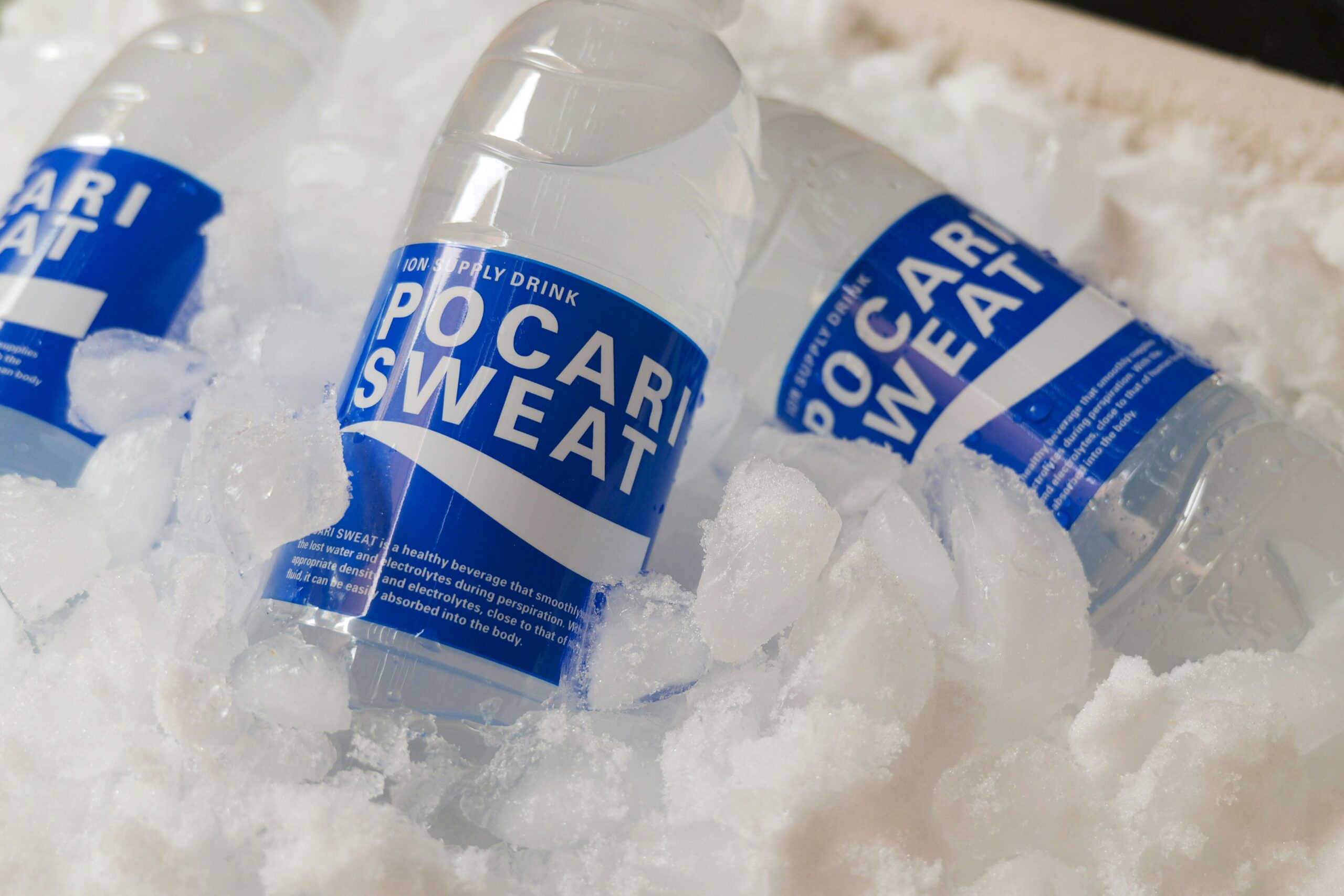
Commercial electrolyte beverages offer convenience and precise dosing. Quality products provide targeted mineral ratios designed for rapid absorption during exercise. Look for options with at least 300-500 mg of sodium per serving, minimal added sugars, and no artificial ingredients.
Powders allow customization of concentration based on individual needs and sweat rates. You can adjust the mix strength for different activities—lighter for yoga, stronger for intense cardio or outdoor summer training.
DIY Electrolyte Solutions
Creating homemade electrolyte drinks gives you complete control over ingredients and costs considerably less than commercial products. A simple recipe combines water, sea salt (providing sodium), a potassium-based salt substitute, lemon juice for flavor and vitamin C, and a touch of honey for easily digestible carbohydrates.
Typical ratios: 16-24 ounces of water, 1/4 teaspoon sea salt (300 mg sodium), 1/4 teaspoon potassium chloride (350 mg potassium), juice from half a lemon, and optional tablespoon of honey. Adjust concentrations based on personal tolerance and activity demands.
⏰ Timing Your Electrolyte Strategy for Maximum Benefit
When you consume electrolytes matters almost as much as how much you consume. Strategic timing optimizes absorption, prevents deficiencies, and supports consistent energy levels throughout the day.
Morning Hydration Ritual
After 6-8 hours of sleep without fluid intake, your body is naturally dehydrated. Starting your day with electrolyte-enhanced water jumpstarts cellular hydration, supports cortisol balance, and provides energy-boosting minerals. Add a pinch of sea salt and squeeze of lemon to your morning water for an immediate hydration upgrade.
Pre-Workout Preparation
Begin hydrating 2-3 hours before exercise, consuming 16-20 ounces of fluid with electrolytes. This ensures you start your workout optimally hydrated with adequate mineral stores. Avoid the common mistake of gulping large amounts immediately before exercise, which can cause discomfort during activity.
During Exercise
For workouts exceeding 45-60 minutes, sip electrolyte beverages throughout your session—approximately 7-10 ounces every 15-20 minutes. This maintains hydration status and replaces minerals lost through sweat before deficiencies impact performance. Your exact needs depend on sweat rate, which varies considerably between individuals.
Post-Workout Recovery
The 30-60 minutes following exercise represents a critical window for replenishing fluid and electrolyte losses. Consume 20-24 ounces of fluid for every pound of body weight lost during exercise. Include sodium to enhance fluid retention and potassium to support muscle recovery and glycogen replenishment.
Throughout the Day
Don’t reserve electrolytes exclusively for workouts. Spreading intake throughout the day maintains consistent hydration, sustained energy levels, and optimal cognitive function. Keep electrolyte-enhanced water accessible during work, especially if you’re in air-conditioned environments that subtly dehydrate you.
🚨 Recognizing and Correcting Electrolyte Imbalances
Understanding the warning signs of electrolyte imbalance empowers you to make corrections before minor issues become serious problems affecting your performance and wellbeing.
Signs You Need More Electrolytes
Common symptoms include persistent fatigue despite adequate sleep, muscle cramps or twitches, headaches, brain fog or difficulty concentrating, increased heart rate, dizziness upon standing, and excessive thirst despite drinking water. During exercise, sudden performance decline, unusual fatigue, or nausea may indicate electrolyte depletion.
Signs of Overhydration
Yes, you can overdo hydration, especially when consuming excessive plain water without electrolytes. Warning signs include clear or very pale urine throughout the day, bloating, swelling in hands and feet, confusion, and in severe cases, nausea or headache. Hyponatremia is a serious condition requiring medical attention.
Fine-Tuning Your Personal Protocol
Individual electrolyte needs vary based on genetics, acclimatization, diet composition, and activity patterns. Pay attention to how you feel with different strategies. Keep notes on what works during various activities, weather conditions, and intensity levels. Over time, you’ll develop an intuitive sense of your body’s electrolyte requirements.
🎯 Advanced Strategies for Elite Performance
Athletes and performance enthusiasts can implement sophisticated approaches to optimize hydration and electrolyte balance for competitive advantage.
Sweat Rate Testing
Determine your personal sweat rate by weighing yourself before and after standardized workouts under various conditions. Each pound lost represents approximately 16 ounces of fluid. Track sodium loss by noting white residue on skin or clothing after exercise. This data allows precise hydration and electrolyte replacement calculations.
Pre-Loading Strategies
For events or intense training in hot conditions, consider sodium loading 24-48 hours beforehand. Increasing sodium intake to 3,000-5,000 mg daily (while maintaining adequate fluid intake) can boost plasma volume and improve thermoregulation. Always test strategies during training before implementing them for important competitions.
Periodizing Electrolyte Intake
Match your electrolyte strategy to training cycles. During high-volume or intense training blocks, increase electrolyte intake proactively. During recovery or lower-intensity periods, moderate supplementation while focusing on whole-food sources. This periodization prevents chronic low-level deficiencies that accumulate over time.
Addressing Special Considerations
Certain dietary approaches require electrolyte adjustments. Low-carb and ketogenic diets increase electrolyte excretion, particularly sodium and potassium, necessitating higher intake. Intermittent fasting protocols benefit from electrolyte-enhanced water during fasting windows to maintain energy and prevent headaches. Plant-based athletes may need to be more intentional about sodium intake since many whole plant foods are naturally low in this mineral.
🌟 Building Your Personalized Hydration Game Plan
Armed with knowledge about electrolytes and their impact on performance, you’re ready to create a customized approach that fits your lifestyle, activity level, and goals.
Start by assessing your baseline: How much plain water do you currently drink? What’s your typical activity level? Do you experience any symptoms of imbalance? From this foundation, gradually implement strategic electrolyte intake, monitoring how you feel.
Begin with morning hydration enhanced with a pinch of sea salt. Add electrolyte drinks during and after exercise sessions exceeding 45 minutes. Include electrolyte-rich whole foods at each meal—leafy greens, avocados, nuts, seeds, and quality protein sources. Stay consistent for 2-3 weeks and note improvements in energy, performance, recovery, and mental clarity.
Remember that optimal hydration and electrolyte balance is highly individual. What works perfectly for your training partner might not suit your body’s unique needs. Be patient with the experimentation process, make small adjustments based on feedback from your body, and trust that dialing in your personal protocol delivers substantial returns in how you feel and perform.
The difference between mediocre and exceptional energy levels often comes down to these fundamental details. By mastering your hydration game with smart electrolyte strategies, you’re not just preventing problems—you’re actively creating the physiological foundation for sustained high performance in every area of your life.
Your body is an incredibly sophisticated system that operates optimally when given the right resources at the right times. Electrolytes aren’t optional extras or only for serious athletes—they’re essential nutrients that deserve the same attention you give to macronutrients and vitamins. Make them a non-negotiable part of your daily routine, and watch as your energy, focus, endurance, and recovery reach new levels you didn’t know were possible. 💧⚡