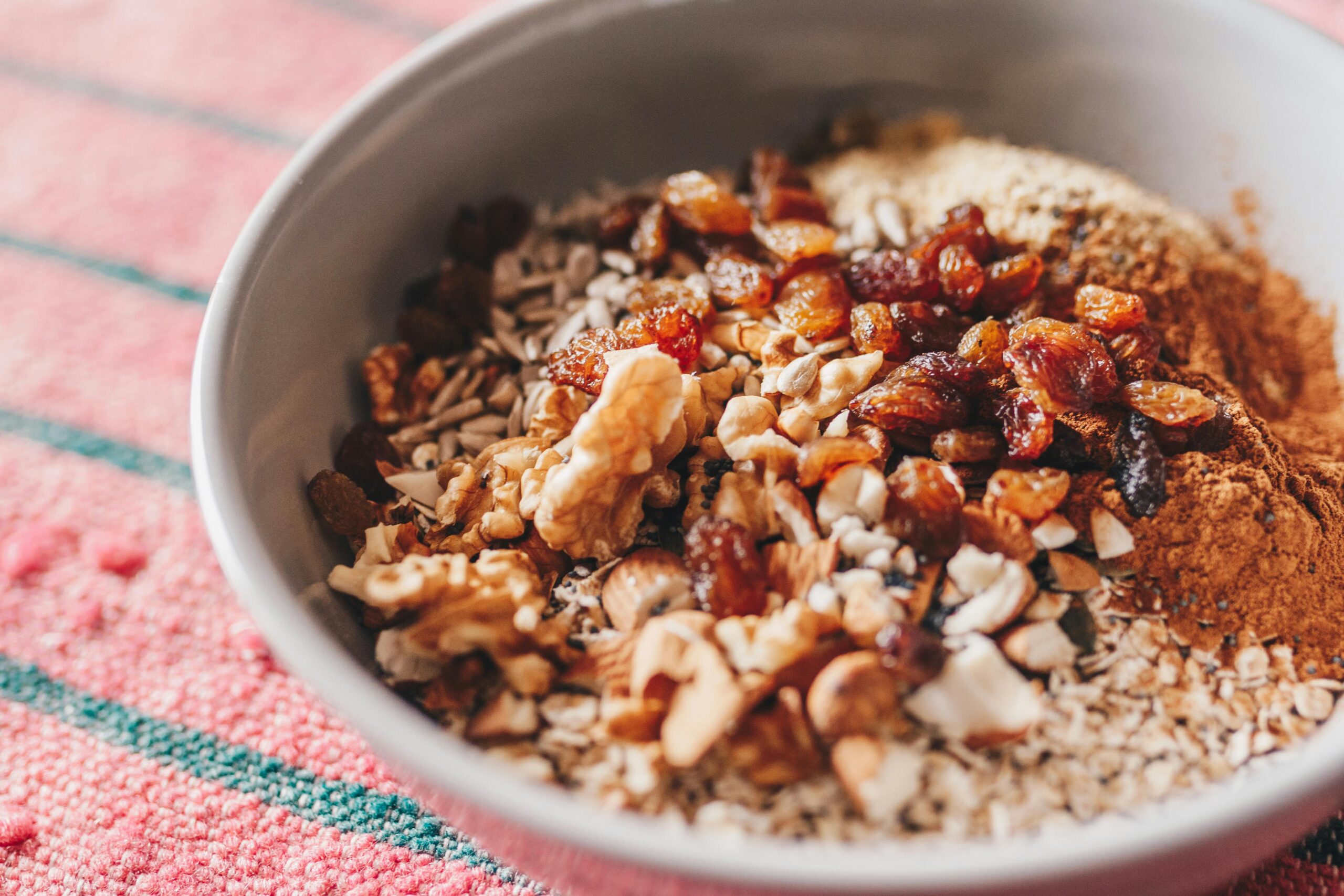
Sleep quality dramatically improves when you understand the connection between light evening nutrition and your body’s natural rhythms, transforming restless nights into rejuvenating rest.

Why Your Evening Eating Habits Matter More Than You Think 🌙
The relationship between what you eat before bed and how well you sleep is far more intricate than most people realize. Your digestive system doesn’t simply shut down when you close your eyes. In fact, late-night eating choices send powerful signals throughout your body, influencing everything from hormone production to core temperature regulation.
Research consistently shows that heavy, complex meals consumed close to bedtime can disrupt your circadian rhythm and prevent you from entering deep, restorative sleep phases. Your body requires significant energy to digest large meals, keeping various systems active when they should be winding down for repair and rejuvenation.
The concept of “light pre-sleep nutrition” isn’t about restricting calories or going to bed hungry. Instead, it focuses on strategic food choices that support your body’s natural preparation for sleep while providing gentle nourishment that prevents middle-of-the-night hunger pangs.
The Science Behind Pre-Sleep Nutrition and Sleep Quality
When you consume food, your body initiates a complex series of metabolic processes. Digestion requires blood flow to increase toward your stomach and intestines, raising your core body temperature slightly. This physiological response directly contradicts what your body needs for optimal sleep onset.
Quality sleep depends on a natural drop in core body temperature. This cooling effect signals to your brain that it’s time to produce melatonin, the hormone responsible for regulating your sleep-wake cycle. Heavy meals consumed within two to three hours of bedtime can delay this temperature drop, making it harder to fall asleep and stay asleep throughout the night.
Additionally, certain foods trigger the release of specific neurotransmitters and hormones that either promote or inhibit sleep. Tryptophan, for example, is an amino acid that serves as a precursor to serotonin and melatonin. Foods rich in tryptophan, when consumed in appropriate portions and timing, can naturally enhance your sleep quality.
Understanding Your Body’s Nighttime Metabolism
Your metabolism doesn’t follow a linear pattern throughout the day. Insulin sensitivity naturally decreases in the evening, meaning your body becomes less efficient at processing carbohydrates and sugars as bedtime approaches. This biological reality makes high-carbohydrate, sugary evening snacks particularly problematic for both sleep quality and metabolic health.
When you consume high-glycemic foods before bed, you trigger blood sugar spikes followed by crashes. These fluctuations can cause nighttime awakenings and prevent you from achieving continuous, deep sleep. The result is fragmented rest that leaves you feeling unrested despite spending adequate hours in bed.
Strategic Food Choices for Better Sleep 🥗
Light pre-sleep nutrition emphasizes foods that are easy to digest, contain sleep-promoting nutrients, and provide steady energy without causing metabolic disruption. The key is selecting options that nourish without overburdening your digestive system.
Foods containing magnesium, calcium, B vitamins, and tryptophan naturally support relaxation and sleep onset. These nutrients work synergistically to calm your nervous system, promote muscle relaxation, and facilitate the production of sleep-regulating hormones.
Top Sleep-Supporting Foods for Evening Consumption
- Greek yogurt: Rich in calcium and protein, promotes tryptophan absorption without heavy digestion
- Bananas: Contain magnesium, potassium, and natural sugars that support melatonin production
- Almonds: Provide magnesium and healthy fats that stabilize blood sugar overnight
- Chamomile tea: Contains apigenin, an antioxidant that binds to brain receptors promoting sleepiness
- Tart cherry juice: Natural source of melatonin that can enhance sleep duration and quality
- Oatmeal: Complex carbohydrates that gently raise serotonin levels without spiking blood sugar
- Turkey or chicken: Lean proteins rich in tryptophan when consumed in small portions
- Kiwi fruit: Studies show two kiwis before bed can improve sleep onset and duration
Timing Your Pre-Sleep Nutrition Perfectly ⏰
The timing of your evening eating matters just as much as what you eat. Creating an optimal eating schedule supports your circadian rhythm and gives your body adequate time to process nutrients before sleep.
Ideally, your last substantial meal should occur at least three hours before bedtime. This window allows your body to complete the primary digestive process, enabling your core temperature to begin its natural evening decline. If you need something closer to bedtime, keep portions small and focus on easily digestible options.
The two-hour window before sleep represents a critical transition period. During this time, your body should be gradually shifting from active metabolism to repair and restoration mode. Light snacks consumed during this window should be intentional, portion-controlled, and selected specifically for their sleep-supporting properties.
Creating Your Personal Pre-Sleep Eating Schedule
Everyone’s digestive system operates slightly differently, so developing your personalized timing may require some experimentation. Pay attention to how different foods and timing affect your sleep quality, energy levels the following morning, and overall sense of restfulness.
Start by tracking your meals and sleep quality for two weeks. Note what you eat, when you eat it, how quickly you fall asleep, whether you experience nighttime awakenings, and how energized you feel upon waking. Patterns will emerge that help you identify your optimal pre-sleep nutrition strategy.
Foods and Habits to Avoid Before Bedtime 🚫
Understanding what to avoid is equally important as knowing what to embrace. Certain foods and eating patterns create physiological conditions that actively work against quality sleep, regardless of how tired you feel.
High-fat, greasy foods slow digestion significantly, keeping your digestive system active for hours. Spicy foods can cause heartburn and acid reflux when you lie down, making comfortable sleep difficult or impossible. Alcohol, while initially sedating, disrupts sleep architecture and prevents you from reaching deep, restorative sleep stages.
Caffeine’s effects can persist for six to eight hours after consumption, meaning that afternoon coffee might still be affecting your sleep onset at midnight. Even seemingly innocent sources like chocolate, certain teas, and some medications contain enough caffeine to impact sensitive individuals.
Common Evening Eating Mistakes
- Consuming large meals within three hours of bedtime
- Eating high-sugar desserts that cause blood sugar fluctuations
- Drinking excessive fluids that necessitate nighttime bathroom trips
- Snacking mindlessly while watching television or using devices
- Consuming processed foods high in sodium that can cause thirst and discomfort
- Relying on alcohol as a sleep aid despite its disruptive effects
Building Your Personalized Pre-Sleep Nutrition Plan 📋
Creating an effective pre-sleep nutrition strategy requires considering your unique lifestyle, dietary preferences, schedule, and health conditions. There’s no one-size-fits-all approach, but certain principles apply universally.
Start by assessing your current evening eating patterns honestly. Do you eat dinner late due to work schedules? Do you consistently experience late-night cravings? Do certain foods seem to affect your sleep more than others? These observations form the foundation for meaningful changes.
Next, establish a consistent eating schedule that aligns with your sleep timing. If you typically go to bed at 10:30 PM, aim to finish dinner by 7:30 PM at the latest. If you need a small snack closer to bedtime, plan for it rather than making impulsive choices when hunger strikes.
Sample Evening Eating Timeline
| Time Before Bed | Recommended Action | Example Foods |
|---|---|---|
| 3-4 hours | Last substantial meal | Balanced dinner with lean protein, vegetables, whole grains |
| 2 hours | Stop eating solid foods | Finish any remaining snacks or small portions |
| 1-2 hours | Light, sleep-supporting snack if needed | Small handful of almonds, chamomile tea, half banana |
| 1 hour | Hydrate minimally | Small amount of water if thirsty, herbal tea |
| 30 minutes | No food or drink | Allow body to begin sleep preparation |
Managing Late-Night Cravings Effectively 🍽️
Late-night cravings often stem from factors beyond true hunger. Stress, boredom, habit, and inadequate daytime nutrition frequently drive evening eating patterns that undermine sleep quality. Addressing the root causes proves more effective than simply trying to resist cravings through willpower alone.
Ensure you’re consuming adequate calories and nutrients throughout the day. Restrictive daytime eating often leads to intense evening hunger and cravings. Balanced meals with sufficient protein, healthy fats, and fiber promote satiety that extends into evening hours.
Distinguish between physical hunger and emotional eating. True hunger develops gradually and can be satisfied with various foods. Emotional eating typically involves specific cravings for comfort foods and appears suddenly. Developing awareness of these differences helps you respond appropriately.
Practical Strategies for Craving Management
When cravings strike, pause before acting. Drink a glass of water and wait ten minutes. Many cravings diminish or disappear during this brief delay. If hunger persists, choose from your pre-planned, sleep-supporting snack options rather than making impulsive decisions.
Create an environment that supports your goals. Keep tempting, sleep-disrupting foods out of your home or at least out of easy reach. Stock your kitchen with convenient, healthy options that align with your pre-sleep nutrition strategy.
Address stress and emotional needs without using food. Develop alternative coping mechanisms like gentle stretching, journaling, meditation, or light reading. These activities can satisfy the need for evening wind-down rituals without the metabolic consequences of late-night eating.
Enhancing Your Sleep Environment and Routine 🛏️
Pre-sleep nutrition represents just one component of comprehensive sleep optimization. Creating an effective sleep routine involves coordinating multiple factors that work together to promote restful nights and energized mornings.
Your sleep environment should be cool, dark, and quiet. Temperature particularly matters because it directly affects your body’s ability to achieve the core temperature drop necessary for quality sleep. Most sleep experts recommend bedroom temperatures between 60-67 degrees Fahrenheit.
Establish a consistent pre-sleep routine that signals to your body that bedtime approaches. This routine should include your light evening nutrition, but also incorporate other relaxation practices. Consistency proves crucial—your body learns to anticipate sleep when you follow the same pattern nightly.
Complementary Sleep-Supporting Habits
- Dim lights throughout your home 1-2 hours before bed to support melatonin production
- Limit screen time and use blue light filters on devices if use is necessary
- Practice gentle yoga or stretching to release physical tension
- Take a warm bath or shower to facilitate the post-bath temperature drop that promotes sleep
- Read physical books rather than electronic devices to avoid stimulating blue light
- Practice gratitude or meditation to calm mental activity
Measuring Your Success and Adjusting Accordingly 📊
Implementing a light pre-sleep nutrition strategy requires patience and willingness to adjust based on results. Most people notice improvements within one to two weeks, though individual responses vary considerably.
Track relevant metrics to assess your progress objectively. How long does it take you to fall asleep? How many times do you wake during the night? How do you feel upon waking? Do you rely on an alarm or wake naturally? How are your energy levels throughout the following day?
Consider using sleep tracking tools to gather objective data about your sleep patterns. Many smartphones include basic sleep tracking features, while dedicated apps and wearable devices offer more detailed insights into sleep stages, movement, and heart rate variability.
Be prepared to experiment and adjust your approach. What works perfectly for one person might not suit another. You might discover that certain “sleep-promoting” foods actually disrupt your rest, or that your optimal eating window differs from general recommendations. Trust your experience and adjust accordingly.
Long-Term Benefits Beyond Better Sleep 💪
The advantages of optimizing your pre-sleep nutrition extend far beyond simply sleeping better. This practice initiates a positive cascade of health benefits that compound over time, transforming multiple aspects of your wellbeing.
Improved sleep quality directly enhances cognitive function, emotional regulation, immune system performance, and metabolic health. When you consistently sleep well, you make better food choices throughout the day, have more energy for physical activity, and experience better stress management capabilities.
The metabolic benefits of appropriate evening eating prove particularly significant. Giving your digestive system adequate rest supports healthy insulin sensitivity, weight management, and reduced inflammation. This overnight fasting period, even when relatively brief, allows important cellular repair processes to occur unimpeded.
Many people report that establishing healthy pre-sleep nutrition habits creates positive momentum for overall lifestyle improvements. The discipline and self-awareness required to change evening eating patterns often naturally extends to other health-supporting behaviors throughout the day.

Embracing Your Journey to Restful Nights and Energized Days 🌅
Transforming your sleep quality through strategic pre-sleep nutrition isn’t about perfection or rigid rules. It’s about developing awareness, making conscious choices, and discovering what works best for your unique body and lifestyle.
Start with small, manageable changes rather than attempting to overhaul your entire evening routine overnight. Perhaps begin by simply moving your dinner time thirty minutes earlier, or replacing your usual late-night snack with a sleep-supporting alternative. Build on these initial successes gradually.
Remember that occasional variations won’t derail your progress. Life includes celebrations, social events, and circumstances that don’t align perfectly with optimal sleep habits. What matters most is your general pattern over time, not perfection on any single night.
The investment you make in understanding and implementing light pre-sleep nutrition pays dividends that extend throughout your entire life. Better sleep doesn’t just mean feeling more rested—it means showing up as your best self in every area of life, with the energy, clarity, and resilience to pursue your goals and enjoy meaningful experiences.
Your journey toward consistently restful nights and energized mornings begins with a single conscious choice about what and when you eat this evening. Each small decision accumulates, gradually transforming your sleep quality and, ultimately, your overall quality of life. The power to fuel your sleep effectively has always been within your control—now you have the knowledge to harness it fully.