Inflammation is a natural process, but when it becomes chronic, it can disrupt your health. Discovering natural ways to support your body’s balance may transform your wellbeing.

🌿 Understanding Inflammation: The Body’s Double-Edged Sword
Your body’s inflammatory response is actually a protective mechanism designed to heal injuries and fight off infections. When you cut your finger or catch a cold, inflammation is your immune system’s first line of defense. The area becomes red, warm, and swollen as blood rushes to deliver healing compounds and white blood cells to the affected site.
However, inflammation becomes problematic when it persists beyond its helpful phase. Chronic inflammation can simmer quietly in your body for months or years, potentially contributing to various health challenges. Unlike acute inflammation that announces itself with obvious symptoms, chronic inflammation often operates silently, gradually affecting your joints, cardiovascular system, digestive tract, and overall vitality.
Research increasingly suggests that lifestyle factors play a significant role in determining whether inflammation remains a helpful friend or becomes a persistent foe. The foods you eat, how much you move, your stress levels, and even your sleep quality all influence your inflammatory state. Understanding this connection empowers you to make choices that naturally support your body’s balance.
The Foods That Love Your Body Back: Anti-Inflammatory Nutrition
Your kitchen holds tremendous power when it comes to managing inflammation naturally. The modern diet, often heavy in processed foods, refined sugars, and unhealthy fats, can fuel inflammatory pathways. Conversely, whole foods rich in specific nutrients can help your body maintain its natural equilibrium.
🥗 Power Players in Your Anti-Inflammatory Arsenal
Fatty fish like salmon, mackerel, and sardines deliver omega-3 fatty acids that your body converts into anti-inflammatory compounds. These healthy fats directly counter inflammatory processes at the cellular level. Aim for at least two servings weekly to experience their protective benefits.
Colorful fruits and vegetables aren’t just visually appealing—they’re packed with antioxidants and phytonutrients that neutralize free radicals and reduce oxidative stress. Berries, leafy greens, beets, and cruciferous vegetables like broccoli contain compounds that actively support your body’s anti-inflammatory systems.
Extra virgin olive oil deserves special mention for containing oleocanthal, a natural compound with properties similar to certain anti-inflammatory medications. Drizzling it over salads or using it for gentle cooking adds both flavor and therapeutic value to your meals.
Spices transform from mere flavor enhancers to therapeutic allies when you understand their potential. Turmeric contains curcumin, extensively studied for its ability to modulate inflammatory pathways. Ginger, cinnamon, garlic, and cayenne pepper each offer unique anti-inflammatory compounds that accumulate benefits when used regularly.
Foods to Limit for Inflammation Balance
While focusing on what to add, it’s equally important to recognize foods that may trigger inflammatory responses in sensitive individuals. Highly processed foods containing trans fats, excessive added sugars, and refined carbohydrates can promote inflammation. Fried foods, sugary beverages, processed meats, and foods made with refined flour often contribute to inflammatory states.
Some people also experience inflammatory reactions to specific foods despite them being considered healthy for others. Common culprits include gluten, dairy, and nightshade vegetables for certain individuals. Keeping a food journal can help you identify personal triggers and patterns.
💪 Movement as Medicine: Exercise’s Anti-Inflammatory Effects
Physical activity represents one of the most powerful natural inflammation modulators available. Regular exercise prompts your body to release anti-inflammatory compounds while reducing markers of chronic inflammation. The key is finding the right balance—too little activity allows inflammation to flourish, while excessive intense exercise without adequate recovery can actually promote inflammation.
Moderate aerobic exercise like brisk walking, swimming, cycling, or dancing performed for 30-45 minutes most days of the week consistently shows anti-inflammatory benefits in research studies. These activities improve circulation, help manage weight, reduce stress hormones, and directly influence inflammatory markers in your bloodstream.
Strength training builds muscle mass, which acts as a metabolic organ that produces anti-inflammatory compounds. Resistance exercises twice weekly complement cardiovascular activities perfectly, creating a comprehensive approach to inflammation management.
Gentle practices like yoga, tai chi, and qigong combine movement with breath control and mindfulness, addressing inflammation through multiple pathways simultaneously. These disciplines reduce stress, improve flexibility, enhance body awareness, and create physiological states that naturally dampen inflammatory responses.
😴 The Restoration Factor: Sleep and Inflammation
Sleep is when your body performs its most intensive repair and restoration work. During deep sleep stages, your immune system releases cytokines that help fight inflammation and infection. Chronic sleep deprivation disrupts these processes, leading to elevated inflammatory markers and increased susceptibility to inflammatory conditions.
Adults generally need seven to nine hours of quality sleep nightly for optimal inflammatory balance. Poor sleep quality matters as much as duration—tossing and turning for eight hours doesn’t provide the same benefits as restful, uninterrupted sleep.
Creating a sleep-supportive environment enhances your body’s natural anti-inflammatory processes. Keep your bedroom cool, dark, and quiet. Establish consistent sleep and wake times, even on weekends, to strengthen your circadian rhythms. Limit screen exposure for at least an hour before bed, as blue light can suppress melatonin production and disrupt sleep architecture.
If sleep challenges persist despite good habits, consider addressing underlying issues like sleep apnea, restless legs, or anxiety that may be preventing restorative rest. Quality sleep is too fundamental to inflammatory balance to leave unaddressed.
🧘 Stress Management: Calming the Inflammatory Storm
Chronic stress acts as a significant inflammatory trigger through multiple biological pathways. When you experience stress, your body releases cortisol and other hormones designed to help you respond to immediate threats. However, when stress becomes chronic, these hormones remain elevated, creating conditions that promote inflammation throughout your body.
The stress-inflammation connection helps explain why people under chronic stress often experience more frequent illnesses, slower healing, and various inflammatory conditions. Managing stress isn’t just about feeling better emotionally—it’s essential for physical inflammation control.
Practical Stress-Reduction Strategies
Mindfulness meditation trains your attention and awareness in ways that reduce stress reactivity. Even brief daily practices of 10-15 minutes show measurable effects on inflammatory markers. Apps and guided recordings make meditation accessible for beginners who find the practice initially challenging.
Deep breathing exercises activate your parasympathetic nervous system, directly countering stress responses. Techniques like box breathing, diaphragmatic breathing, or simple breath awareness practiced several times daily create physiological states incompatible with chronic stress and inflammation.
Spending time in nature provides multiple anti-inflammatory benefits simultaneously. Natural environments reduce stress hormones, encourage gentle movement, expose you to beneficial soil microbes, and often improve mood and perspective. Even brief nature exposures of 20-30 minutes show measurable stress reduction.
Social connection and meaningful relationships buffer against stress and its inflammatory consequences. Cultivating supportive friendships, participating in community activities, and maintaining strong family bonds all contribute to lower inflammatory markers and better health outcomes.
🌊 Hydration and Detoxification: Supporting Your Body’s Natural Processes
Adequate hydration supports every cellular process in your body, including those that regulate inflammation. Water helps flush metabolic waste products, delivers nutrients to cells, maintains proper blood viscosity, and supports kidney and liver function—organs essential for processing inflammatory compounds.
Most adults benefit from consuming half their body weight in ounces of water daily, adjusted for activity level, climate, and individual needs. Herbal teas, especially green tea with its anti-inflammatory polyphenols, contribute both hydration and therapeutic compounds.
Your liver and kidneys work continuously to process and eliminate inflammatory compounds and toxins. Supporting these organs through proper hydration, limiting alcohol intake, and consuming foods rich in sulfur compounds like garlic, onions, and cruciferous vegetables enhances your body’s natural detoxification capacity.
🍵 Herbal Allies and Natural Supplements
Various herbs and natural supplements have demonstrated anti-inflammatory properties in both traditional use and modern research. While whole foods should form the foundation of your approach, strategic supplementation can provide concentrated doses of beneficial compounds.
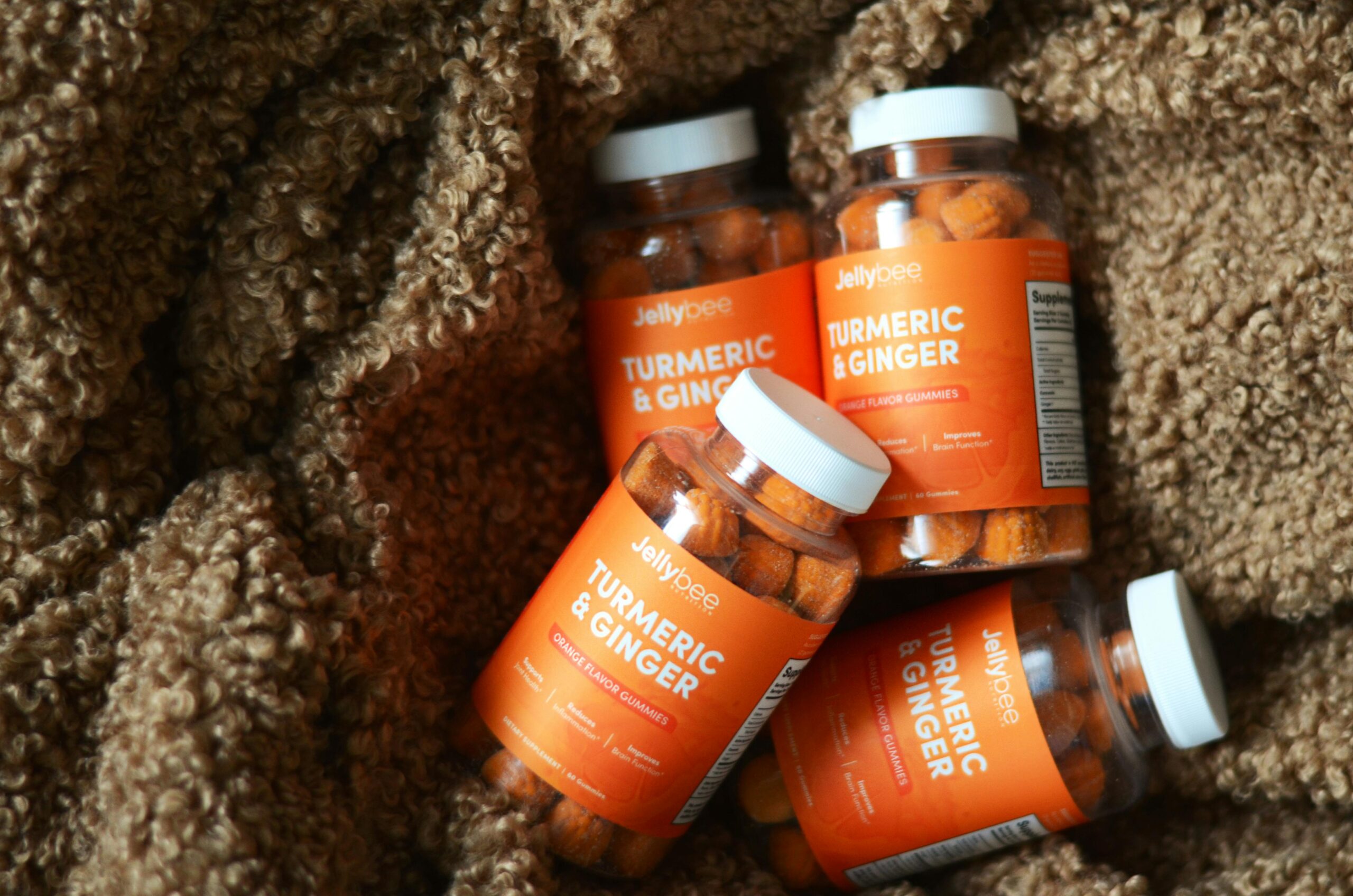
Turmeric supplements standardized for curcumin content offer more consistent therapeutic doses than cooking with the spice alone. Pairing curcumin with black pepper significantly enhances absorption. Fish oil supplements provide omega-3 fatty acids in therapeutic amounts, particularly beneficial for those who don’t regularly eat fatty fish.
Ginger, boswellia, and white willow bark have long histories in traditional medicine systems for managing inflammation. Green tea extract concentrates the beneficial polyphenols and EGCG that support healthy inflammatory responses.
Probiotics deserve special consideration, as gut health profoundly influences systemic inflammation. A balanced microbiome helps regulate immune function and maintain the intestinal barrier that prevents inflammatory compounds from entering circulation. Fermented foods like yogurt, kefir, sauerkraut, and kimchi provide beneficial bacteria naturally.
Before starting any supplement regimen, consult with a healthcare provider, especially if you take medications or have existing health conditions. Natural doesn’t automatically mean safe for everyone, and some supplements interact with medications or aren’t appropriate for certain situations.
⚖️ Weight Management and Inflammation: Understanding the Connection
Excess body fat, particularly visceral fat around your organs, acts as an active endocrine organ producing inflammatory compounds. This creates a challenging cycle where inflammation promotes weight gain, and excess weight fuels more inflammation.
Approaching weight management through an anti-inflammatory lens often proves more sustainable than restrictive dieting. Focus on nourishing your body with anti-inflammatory whole foods, moving regularly in enjoyable ways, managing stress, and sleeping well. These behaviors naturally support healthy weight while directly addressing inflammation.
Gradual, consistent changes prove more effective long-term than dramatic overhauls that prove unsustainable. Even modest weight reduction of 5-10% can significantly reduce inflammatory markers and improve health outcomes for those carrying excess weight.
🔬 Monitoring Your Progress: Signs Your Efforts Are Working
How do you know whether your natural inflammation support strategies are effective? Several indicators provide valuable feedback. Improved energy levels, better sleep quality, reduced joint discomfort, clearer thinking, more stable moods, and fewer digestive issues all suggest decreasing inflammation.
Some people notice changes within weeks, while others require months of consistent effort before experiencing significant shifts. Individual variation depends on inflammation severity, overall health status, consistency with supportive practices, and various genetic factors.
Blood tests measuring inflammatory markers like C-reactive protein (CRP), erythrocyte sedimentation rate (ESR), and specific cytokines can objectively track inflammation levels. Discussing these tests with your healthcare provider provides concrete data to complement your subjective experience.
Keep a simple journal tracking your habits, symptoms, and overall wellbeing. Patterns emerge over time that help you identify which strategies provide the greatest benefit for your unique situation.
🎯 Creating Your Personal Anti-Inflammatory Action Plan
Sustainable change happens through gradual implementation rather than attempting to overhaul your entire life overnight. Start by selecting one or two areas where you can most easily make improvements. Perhaps you’ll begin by adding more colorful vegetables to meals while establishing a consistent bedtime routine.
Once these changes become habitual, layer in additional practices. You might introduce regular walks, experiment with meditation, or explore anti-inflammatory recipes. Building gradually creates a solid foundation that supports lasting transformation.
Your anti-inflammatory lifestyle should feel sustainable and enjoyable rather than restrictive or burdensome. Find versions of healthy practices that fit your preferences, schedule, and circumstances. Love dancing? That’s your cardio. Hate meditation? Try gentle yoga or nature walks instead.
Remember that perfection isn’t the goal—consistency and overall patterns matter most. Occasional indulgences or missed workouts won’t derail your progress. What matters is your general trajectory and ability to return to supportive habits after inevitable detours.

🌟 Embracing the Journey Toward Balance
Supporting your body’s natural inflammatory balance represents an ongoing practice rather than a destination. As you implement these strategies, you’re not just addressing inflammation—you’re cultivating overall vitality, resilience, and wellbeing that touch every aspect of your life.
The beauty of natural inflammation support lies in its holistic nature. The same practices that reduce inflammation also improve energy, enhance mood, support healthy aging, and reduce risks for numerous chronic conditions. You’re investing in your quality of life today while protecting your health for decades to come.
Your body possesses remarkable healing capacity when provided with proper support. Nourishing foods, regular movement, restorative sleep, effective stress management, and other natural approaches work synergistically, creating positive changes that compound over time.
Be patient with yourself as you explore which practices resonate most strongly. Listen to your body’s feedback, celebrate small victories, and maintain curiosity about what helps you feel your best. Your personalized approach to inflammation support will evolve as you discover what works uniquely for you.
By committing to natural inflammation support, you’re choosing to work with your body rather than against it, honoring its wisdom while providing the resources it needs to maintain balance. This partnership between conscious choices and innate healing capacity creates the foundation for lasting health and vitality.