
In a world of constant stress and fast-paced living, adaptogens offer a natural pathway to restore balance, enhance resilience, and optimize your body’s stress response.

Modern life demands more from us than ever before. Between juggling work responsibilities, maintaining relationships, staying healthy, and managing daily stressors, our bodies are constantly working overtime. This chronic stress takes a toll on our physical and mental well-being, leaving us feeling depleted, overwhelmed, and struggling to maintain equilibrium. But what if there was a natural solution that could help your body adapt to stress more effectively?
Enter adaptogens—a remarkable class of herbs and mushrooms that have been used for centuries in traditional medicine systems around the world. These powerful botanicals work with your body’s innate wisdom to help you achieve homeostasis, boost your resilience against stressors, and thrive in today’s demanding environment. Unlike stimulants that provide temporary energy followed by a crash, adaptogens work gradually to support your body’s natural stress response system.
🌿 Understanding Adaptogens: Nature’s Stress-Fighting Allies
Adaptogens are non-toxic plants and mushrooms that help your body resist physical, chemical, and biological stressors. The term “adaptogen” was coined by Soviet scientist Dr. Nikolai Lazarev in 1947, though these substances have been integral to Ayurvedic and Traditional Chinese Medicine for thousands of years.
What makes adaptogens unique is their ability to normalize bodily functions regardless of the direction of imbalance. Whether your cortisol levels are too high or too low, adaptogens work to bring them back into optimal range. This intelligent, bidirectional activity sets them apart from conventional pharmaceuticals that typically push the body in one specific direction.
To qualify as a true adaptogen, a substance must meet three specific criteria. First, it must be non-toxic and safe for long-term use. Second, it must help the body resist a wide variety of stressors, whether physical, chemical, or biological. Third, it must promote homeostasis by normalizing physiological functions.
The Science Behind Adaptogenic Action ⚗️
The mechanism of action for adaptogens centers around the hypothalamic-pituitary-adrenal (HPA) axis, your body’s central stress response system. When you encounter stress, your hypothalamus signals your pituitary gland, which then communicates with your adrenal glands to release stress hormones like cortisol and adrenaline.
Chronic activation of this system leads to adrenal fatigue, hormonal imbalances, weakened immunity, and numerous health complications. Adaptogens modulate this stress response by regulating the release of stress hormones, protecting cells from stress-induced damage, and improving energy metabolism at the cellular level.
Research has shown that adaptogens influence key molecular mediators in the stress response, including heat shock proteins, nitric oxide, cortisol, and various neuropeptides. They also exhibit antioxidant properties, protecting cells from oxidative stress and supporting mitochondrial function—the powerhouses of your cells that generate energy.
🍄 Powerful Adaptogens and Their Unique Benefits
Different adaptogens offer distinct therapeutic properties, allowing you to choose specific herbs based on your individual needs and health goals. Understanding the unique characteristics of each adaptogen empowers you to create a personalized wellness protocol.
Ashwagandha: The Stress Reducer
Ashwagandha (Withania somnifera) is perhaps the most well-researched adaptogen, with over 200 studies supporting its efficacy. This ancient Ayurvedic herb excels at reducing cortisol levels, improving sleep quality, and supporting thyroid function. Clinical trials have demonstrated ashwagandha’s ability to reduce anxiety by up to 44% and stress levels by 28% after just eight weeks of supplementation.
Beyond stress management, ashwagandha enhances cognitive function, increases muscle strength and recovery, supports reproductive health in both men and women, and exhibits anti-inflammatory properties. It’s particularly beneficial for those experiencing burnout, chronic stress, or sleep disturbances.
Rhodiola Rosea: The Energy Enhancer
Native to the mountainous regions of Europe and Asia, rhodiola has been used by Vikings and Russian cosmonauts to increase stamina and resilience. This powerful adaptogen combats fatigue, improves mental performance, and enhances physical endurance without the jittery side effects of caffeine.
Rhodiola works by increasing the sensitivity of neurons to serotonin and dopamine, neurotransmitters essential for mood regulation and focus. Studies show it can improve attention, mental capacity, and work performance in individuals experiencing stress-related fatigue. Athletes often use rhodiola to reduce recovery time and enhance exercise performance.
Holy Basil: The Sacred Protector
Known as Tulsi in Ayurvedic medicine, holy basil (Ocimum sanctum) is revered as “The Incomparable One” for its wide-ranging therapeutic benefits. This aromatic herb offers powerful antioxidant, antimicrobial, and anti-inflammatory properties while supporting emotional well-being and mental clarity.
Holy basil helps regulate blood sugar levels, supports respiratory health, and protects against environmental toxins. Its gentle yet effective stress-reducing properties make it suitable for daily use as a tea or supplement, promoting a sense of calm without sedation.
Cordyceps: The Athletic Optimizer 🏃
This fascinating fungus has gained popularity among athletes and fitness enthusiasts for its ability to enhance oxygen utilization, increase ATP production, and improve endurance. Cordyceps militaris supports kidney and lung function while boosting immune system activity and combating fatigue.
Research indicates that cordyceps supplementation can increase aerobic capacity by up to 7% and improve time to exhaustion during high-intensity exercise. Beyond athletic performance, cordyceps supports healthy aging, sexual function, and cardiovascular health.
Lion’s Mane: The Brain Booster
Lion’s mane mushroom (Hericium erinaceus) stands out for its remarkable neuroprotective and cognitive-enhancing properties. This unique fungus stimulates the production of nerve growth factor (NGF), a protein essential for the growth, maintenance, and survival of neurons.
Studies demonstrate that lion’s mane can improve memory, concentration, and focus while protecting against age-related cognitive decline. It also supports digestive health, reduces inflammation, and may help manage symptoms of anxiety and depression by promoting neuroplasticity.
💪 Building Resilience Through Adaptogenic Support
Resilience isn’t just about bouncing back from stress—it’s about adapting, growing stronger, and maintaining optimal function despite challenges. Adaptogens build resilience at the cellular, physiological, and psychological levels, creating a comprehensive support system for your body and mind.
At the cellular level, adaptogens enhance mitochondrial function and protect against oxidative damage, ensuring your cells have the energy and protection they need to function optimally. This translates to improved physical stamina, mental clarity, and overall vitality that persists throughout the day.
Physiologically, adaptogens normalize hormone levels, support immune function, and regulate inflammatory responses. This creates a stable internal environment that allows your body to maintain homeostasis even when external conditions are challenging. Over time, this consistent support strengthens your body’s stress response system, making you more capable of handling future stressors.
Psychologically, adaptogens support neurotransmitter balance and protect brain cells from stress-induced damage. This results in improved mood stability, enhanced focus, better sleep quality, and greater emotional resilience. You’ll find yourself better equipped to maintain perspective during difficult times and recover more quickly from setbacks.
🌟 Integrating Adaptogens Into Your Daily Routine
Successfully incorporating adaptogens into your wellness routine requires understanding proper dosing, timing, and combination strategies. While adaptogens are generally safe, mindful use ensures optimal benefits and minimizes potential interactions.
Choosing Your Adaptogen Protocol
Begin by identifying your primary health goals and stress patterns. Are you struggling with fatigue and low energy? Rhodiola or cordyceps might be your best starting point. Dealing with anxiety and sleep issues? Consider ashwagandha or holy basil. Seeking cognitive enhancement? Lion’s mane could be your answer.
Start with a single adaptogen at the recommended dosage for at least two to four weeks before adding another. This allows you to assess how your body responds and identify which adaptogens work best for your unique constitution. Quality matters significantly—choose organic, sustainably sourced products from reputable manufacturers who provide third-party testing.
Optimal Timing and Dosing
Most adaptogens work best when taken consistently over time rather than sporadically. Generally, energizing adaptogens like rhodiola and cordyceps should be consumed in the morning or early afternoon to avoid interfering with sleep. Calming adaptogens like ashwagandha can be taken in the evening to support relaxation and sleep quality.
Typical effective doses vary by adaptogen. Ashwagandha is commonly used at 300-600mg of extract daily, rhodiola at 200-600mg, and holy basil at 300-2000mg. Always follow manufacturer recommendations and consider working with a qualified healthcare practitioner for personalized guidance.
Creative Ways to Consume Adaptogens ☕
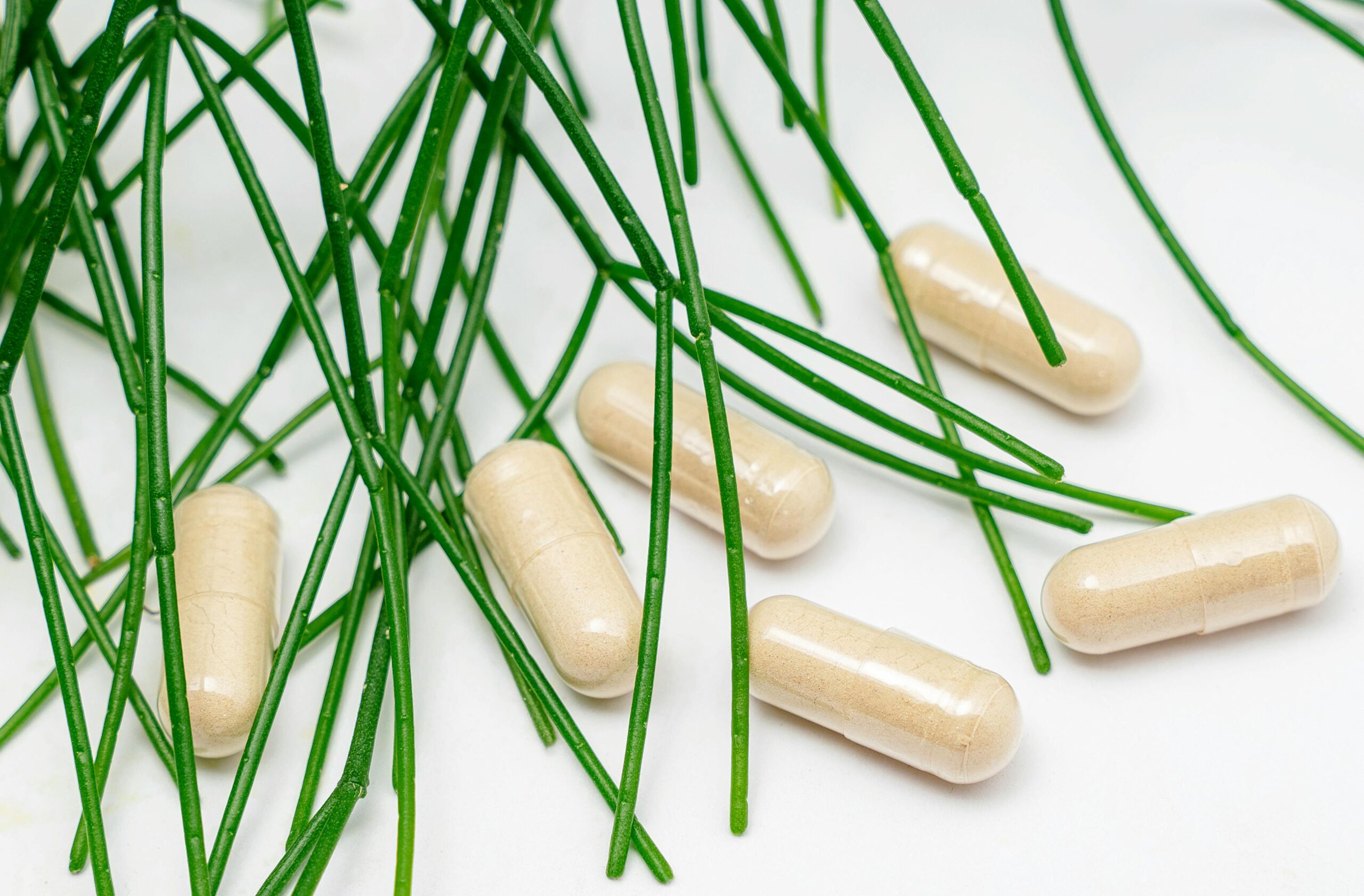
Adaptogens come in various forms—capsules, powders, tinctures, teas, and even functional beverages. Powdered forms offer versatility, allowing you to blend them into smoothies, coffee, lattes, or baked goods. Many people enjoy creating adaptogenic elixirs by combining powder forms with warm milk, honey, and spices.
Capsules and tablets provide convenience and precise dosing for those with busy lifestyles. Tinctures offer rapid absorption and are ideal for individuals who struggle with pills. Traditional teas made from adaptogenic herbs provide a ritualistic, mindful approach to consumption that enhances the stress-reducing benefits.
⚠️ Safety Considerations and Contraindications
While adaptogens are generally safe for most people, certain populations should exercise caution or avoid specific adaptogens. Pregnant and breastfeeding women should consult healthcare providers before use, as safety data for these populations is limited.
Individuals with autoimmune conditions should be cautious with immune-stimulating adaptogens like ashwagandha or rhodiola, as these may exacerbate symptoms. Those taking medications for thyroid disorders, diabetes, blood pressure, or immunosuppressants should consult their doctor, as adaptogens may interact with these medications.
People with hormone-sensitive conditions should approach adaptogens that influence hormonal pathways with guidance from qualified practitioners. Start with lower doses and monitor your response carefully, discontinuing use if you experience adverse effects.
🔬 The Future of Adaptogenic Research
Scientific interest in adaptogens continues to expand, with researchers investigating their potential applications for conditions ranging from cancer support to neurodegenerative diseases. Emerging research explores how adaptogens might support healthy aging by protecting telomeres, enhancing autophagy, and modulating longevity pathways.
Studies are also examining the synergistic effects of combining multiple adaptogens, suggesting that strategic combinations may offer enhanced benefits compared to single herbs. The concept of personalized adaptogen protocols based on genetic profiles and biomarkers represents an exciting frontier in functional medicine.
As climate change and environmental stressors increase, adaptogens may play a crucial role in helping populations build resilience against ecological challenges. Their ability to support the body’s stress response while promoting sustainable energy makes them increasingly relevant in our modern world.
💡 Creating Your Personalized Adaptogen Strategy
Your journey with adaptogens should be as unique as your individual needs and circumstances. Begin by assessing your current stress levels, energy patterns, sleep quality, and overall well-being. Keep a journal to track your baseline symptoms and monitor changes as you introduce adaptogens.
Consider your lifestyle factors, including diet, exercise, sleep habits, and stress management practices. Adaptogens work best as part of a comprehensive wellness approach rather than as isolated interventions. Ensure you’re supporting your adaptogen protocol with adequate sleep, nutrient-dense foods, regular movement, and stress-reduction practices like meditation or yoga.
Be patient with the process. Unlike pharmaceutical interventions that often work quickly but with significant side effects, adaptogens typically require several weeks of consistent use before you experience their full benefits. This gradual approach supports lasting changes rather than temporary fixes.
🌈 Embracing Balance in the Modern World
The wisdom of adaptogens offers us a powerful tool for navigating contemporary life’s demands while maintaining our health and vitality. These remarkable botanicals remind us that true wellness isn’t about eliminating stress entirely—it’s about building the resilience to adapt, grow, and thrive despite challenges.
As you explore the world of adaptogens, remember that they’re part of a larger conversation about reconnecting with natural rhythms, honoring our body’s innate wisdom, and cultivating sustainable practices that support long-term wellbeing. The same traditional medicine systems that gave us adaptogens also emphasized the importance of proper rest, nourishing food, meaningful connection, and living in harmony with nature.
By harnessing the power of adaptogens alongside these foundational wellness principles, you create a comprehensive approach to health that addresses the root causes of imbalance rather than merely masking symptoms. This holistic perspective empowers you to take an active role in your wellness journey, making informed choices that support your unique needs and goals.
Whether you’re dealing with chronic stress, seeking to enhance performance, supporting recovery from illness, or simply looking to optimize your daily energy and focus, adaptogens offer a time-tested, scientifically-supported pathway forward. These remarkable herbs and mushrooms bridge ancient wisdom and modern science, providing natural solutions for contemporary challenges while honoring the intelligence of your body’s self-regulating systems.
Start your adaptogen journey today with curiosity, patience, and respect for these powerful botanical allies. As you experience their balancing, strengthening effects firsthand, you’ll discover why these remarkable plants have been treasured across cultures and centuries as precious gifts from nature for human resilience and vitality.