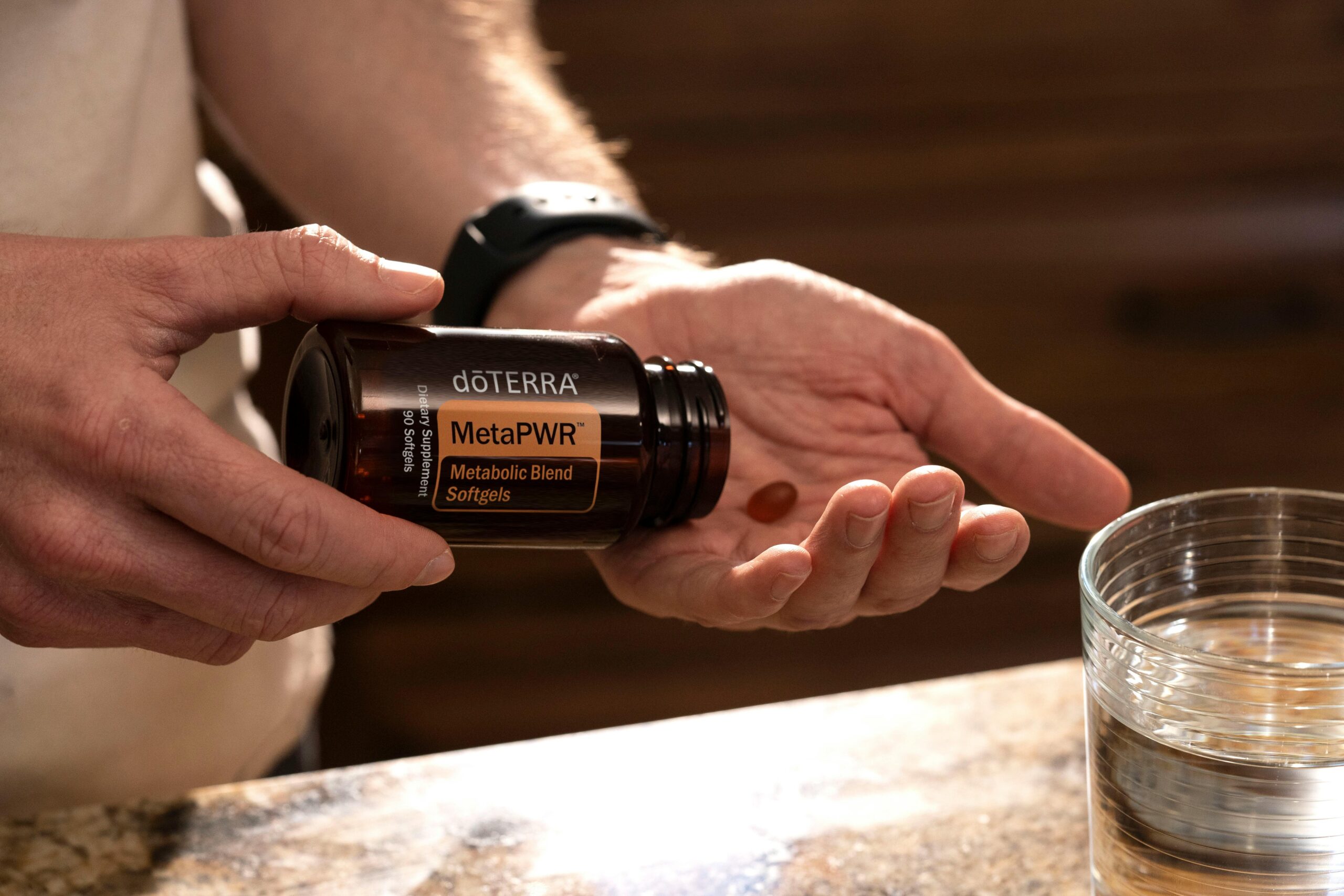
Struggling with sleep doesn’t always require synthetic hormones. Natural alternatives offer gentle, effective pathways to restful nights without disrupting your body’s delicate balance.

🌙 Why Skip Melatonin? Understanding the Natural Sleep Alternative Movement
Melatonin supplements have dominated the sleep aid market for years, but an increasing number of people are discovering they’re not the only solution. While melatonin can be helpful for jet lag and short-term sleep disruptions, long-term use raises questions about dependency, hormone regulation, and side effects like morning grogginess, vivid dreams, and potential interactions with medications.
The beauty of melatonin-free approaches lies in their ability to address the root causes of sleep disruption rather than simply masking symptoms. These natural methods work with your body’s existing systems, promoting sustainable sleep patterns that improve over time rather than requiring increasing doses or creating dependency.
Many individuals experience better results with non-hormonal approaches because they’re targeting lifestyle factors, stress management, nutritional deficiencies, and environmental issues that melatonin alone cannot resolve. By exploring these alternatives, you’re investing in comprehensive sleep health rather than a temporary fix.
🌿 Herbal Allies: Time-Tested Plant-Based Sleep Solutions
Nature has provided humanity with powerful sleep-promoting herbs for millennia. These botanical remedies work through various mechanisms, from calming the nervous system to reducing anxiety and promoting physical relaxation.
Valerian Root: The Ancient Sleep Herb
Valerian root has been used since ancient Greek and Roman times as a sleep aid. This powerful herb increases GABA (gamma-aminobutyric acid) levels in the brain, the same neurotransmitter that promotes calmness and relaxation. Studies suggest that taking 300-600mg of valerian root extract one to two hours before bedtime can significantly improve sleep quality, particularly after consistent use over several weeks.
Unlike sleeping pills, valerian doesn’t typically cause morning grogginess. However, it does have a distinctive earthy scent that some find unpleasant, which is why many prefer capsule forms over teas.
Chamomile: Gentle Relaxation in a Cup
This daisy-like flower contains apigenin, an antioxidant that binds to specific receptors in your brain, promoting sleepiness and reducing anxiety. Chamomile tea has become synonymous with bedtime rituals worldwide, and for good reason—its mild sedative effects make it perfect for unwinding without overwhelming your system.
Beyond its sleep benefits, chamomile supports digestive health and reduces inflammation, making it a multifaceted wellness tool. Drinking 1-2 cups of chamomile tea 30-45 minutes before bed creates both a psychological and physiological wind-down routine.
Passionflower: Anxiety’s Natural Adversary
Passionflower excels at calming racing thoughts that keep you awake. Research indicates it increases GABA production, similar to valerian, but with a gentler effect profile. It’s particularly beneficial for people whose sleep issues stem from anxiety rather than physical restlessness.
This beautiful vine plant can be consumed as tea, tincture, or capsule form. Many sleep-focused herbal blends combine passionflower with other calming herbs for synergistic effects.
💪 Magnesium: The Relaxation Mineral Your Body Craves
Magnesium deficiency affects approximately 50% of adults in Western countries, and this shortfall directly impacts sleep quality. This essential mineral plays a crucial role in over 300 enzymatic reactions in the body, including those that regulate your sleep-wake cycle.
Magnesium activates the parasympathetic nervous system—your body’s “rest and digest” mode. It also regulates melatonin production naturally (without introducing external hormones) and binds to GABA receptors, promoting calmness and reducing neural excitability.
Which Magnesium Form Works Best for Sleep?
Not all magnesium supplements are created equal. Magnesium glycinate is widely considered the best form for sleep because it’s highly absorbable and less likely to cause digestive upset. The glycine component itself has calming properties that enhance sleep quality.
Magnesium threonate crosses the blood-brain barrier more effectively, making it excellent for cognitive relaxation and reducing mental chatter at bedtime. A typical dose ranges from 200-400mg taken 30-60 minutes before sleep.
You can also increase magnesium through dietary sources like leafy greens, nuts, seeds, legumes, and whole grains, or through Epsom salt baths, which allow magnesium absorption through the skin while providing additional relaxation benefits.
🧘♀️ Mind-Body Practices That Transform Your Sleep Architecture
The connection between mental state and sleep quality cannot be overstated. Stress, anxiety, and an overactive mind are among the top sleep disruptors in modern society. Fortunately, evidence-based mind-body practices offer powerful solutions.
Progressive Muscle Relaxation: Release Physical Tension
This technique involves systematically tensing and releasing muscle groups throughout your body, starting from your toes and working upward. The process accomplishes two things: it makes you aware of where you’re holding tension, and it teaches your body the difference between tension and relaxation.
Research shows that progressive muscle relaxation can reduce sleep onset time by an average of 15 minutes and improve overall sleep quality. The practice takes only 10-15 minutes and becomes more effective with consistent use.
Breathing Techniques: Activate Your Relaxation Response
The 4-7-8 breathing method, developed by Dr. Andrew Weil, acts as a natural tranquilizer for the nervous system. Breathe in through your nose for 4 counts, hold for 7 counts, and exhale completely through your mouth for 8 counts. Repeat this cycle 4 times.
This pattern slows your heart rate, increases oxygen delivery, and shifts your nervous system from sympathetic (fight-or-flight) to parasympathetic (rest-and-digest) dominance. Many people report falling asleep before completing even two cycles.
Meditation and Mindfulness: Quiet the Mental Storm
Sleep meditation specifically targets the racing thoughts and worries that prevent sleep onset. Apps offering guided sleep meditations provide structure for beginners while teaching techniques you can eventually use independently.
Mindfulness meditation doesn’t aim to make you fall asleep immediately; instead, it changes your relationship with sleeplessness, reducing the anxiety that paradoxically keeps you awake. Studies show that mindfulness meditation can improve sleep quality as effectively as sleep education programs.
🛏️ Sleep Hygiene: Building Your Foundation for Consistent Rest
Even the most powerful natural supplements won’t overcome poor sleep hygiene. Creating an environment and routine that supports sleep is fundamental to long-term success.
Temperature Optimization: The Cool Sleep Secret
Your body needs to drop its core temperature by about 2-3 degrees Fahrenheit to initiate sleep. The ideal bedroom temperature ranges between 60-67°F (15-19°C). Many people sleep in rooms that are too warm, preventing this necessary temperature drop.
Consider breathable bedding materials, cooling mattress pads, or simply cracking a window. A warm bath or shower 90 minutes before bed paradoxically helps because the subsequent cooling effect signals sleep readiness to your brain.
Light Management: Respect Your Circadian Rhythm
Blue light from screens suppresses melatonin production for hours after exposure. Establish a screen curfew at least one hour before bed, or use blue light blocking glasses if complete avoidance isn’t practical.
Equally important is morning light exposure. Getting bright light (ideally natural sunlight) within 30 minutes of waking helps anchor your circadian rhythm, making it easier to feel sleepy at the appropriate time each night. This simple practice can be more powerful than any supplement.
Consistent Sleep Schedule: Train Your Internal Clock
Your body thrives on predictability. Going to bed and waking up at the same time every day—yes, including weekends—strengthens your circadian rhythm. After several weeks of consistency, you may find you naturally become sleepy at your designated bedtime and wake without an alarm.
This might seem restrictive, but the payoff in sleep quality and daytime energy makes it worthwhile. If you must deviate, limit variations to 30-60 minutes to avoid disrupting your established pattern.
🍵 L-Theanine: The Calming Compound From Green Tea
L-theanine is an amino acid found primarily in tea leaves, particularly green tea. It promotes relaxation without sedation, making it perfect for reducing pre-sleep anxiety while maintaining mental clarity.
This compound increases alpha brain wave activity, which is associated with relaxed alertness—that peaceful state between wakefulness and sleep. L-theanine also increases GABA, dopamine, and serotonin levels, all of which contribute to better mood and sleep quality.
The typical dosage for sleep support ranges from 200-400mg, taken 30-60 minutes before bed. Unlike caffeine (also found in tea), l-theanine won’t interfere with sleep. In fact, many people combine l-theanine with a small amount of caffeine during the day for focused calm, then use l-theanine alone at night for restful sleep.
🎵 Sound Strategies: Using Audio to Enhance Sleep Quality
The auditory environment significantly impacts sleep quality. While complete silence works for some, many people benefit from strategic sound use.
White Noise and Pink Noise: Masking Disruptions
White noise contains all frequencies at equal intensity, creating a consistent sound blanket that masks sudden noises that might wake you. Pink noise emphasizes lower frequencies, creating a deeper, more soothing sound similar to steady rainfall or wind through trees.
Research suggests pink noise may enhance deep sleep and improve memory consolidation. Experiment with both to determine which helps you sleep more soundly.
Binaural Beats: Brainwave Entrainment
Binaural beats present slightly different frequencies to each ear, creating a perceived third frequency that corresponds to specific brainwave states. Delta frequencies (0.5-4 Hz) are associated with deep sleep, while theta frequencies (4-8 Hz) promote the drowsy state between wakefulness and sleep.
While research on binaural beats is ongoing, many users report subjective improvements in sleep onset and quality. These tracks require headphones to work properly, which may not be comfortable for all sleepers.
🥗 Nutritional Strategies: Eating Your Way to Better Sleep
Your diet profoundly influences sleep quality. Certain nutrients support neurotransmitter production and hormone regulation essential for healthy sleep patterns.
Tryptophan-Rich Foods: Natural Serotonin Boosters
Tryptophan is an amino acid precursor to serotonin, which converts to melatonin. Foods rich in tryptophan include turkey, chicken, eggs, cheese, nuts, seeds, and oats. Combining these with complex carbohydrates helps tryptophan cross the blood-brain barrier more effectively.
A light evening snack of whole grain crackers with turkey or almond butter on toast can support sleep without causing digestive discomfort.
Timing Matters: When to Eat for Optimal Sleep
Finish your last substantial meal at least 3 hours before bedtime. Late, heavy meals redirect blood flow to digestion, raising body temperature and potentially causing reflux—all of which interfere with sleep quality.
If you need a small snack closer to bedtime, choose easily digestible options that combine protein with complex carbohydrates. Avoid sugar, caffeine, and alcohol, all of which disrupt sleep architecture despite alcohol’s initial sedative effect.
🏃♂️ Exercise Timing: Moving Your Body for Better Rest
Regular physical activity is one of the most powerful natural sleep aids available. Exercise reduces stress hormones, regulates circadian rhythms, and increases adenosine buildup—the chemical that creates sleep pressure.
However, timing matters significantly. Morning or afternoon exercise provides the most sleep benefits, while intense evening workouts can be stimulating for some people. If you must exercise in the evening, finish at least 3-4 hours before bedtime, or choose gentle activities like yoga or walking.
Even a daily 20-30 minute walk can improve sleep quality, particularly if done outdoors where you receive natural light exposure that further supports circadian rhythm regulation.
🌸 Aromatherapy: Scent-Based Sleep Enhancement
Essential oils provide another melatonin-free pathway to better sleep. Certain scents have documented calming and sedative properties that work through olfactory pathways directly connected to brain regions controlling emotions and sleep.
Lavender: The Research-Backed Sleep Scent
Lavender essential oil is the most studied aromatherapy for sleep. Research shows it increases slow-wave sleep (the deep, restorative stage) and helps people feel more refreshed upon waking. The compounds linalool and linalyl acetate produce these calming effects.
Use lavender through a diffuser, pillow spray, or a few drops on your wrist or temples. Some people prefer lavender sachets tucked into their pillowcase for subtle, continuous exposure throughout the night.
Additional Sleep-Promoting Scents
Bergamot reduces anxiety and lowers heart rate. Roman chamomile provides mild sedative effects similar to chamomile tea. Cedarwood’s woody aroma promotes serotonin release, which converts to melatonin. Ylang-ylang reduces blood pressure and promotes relaxation.
Create a custom sleep blend by combining complementary scents, or rotate single oils to prevent olfactory adaptation. Always dilute essential oils properly and perform a patch test before extensive use.
📱 Technology Tools: Digital Aids for Natural Sleep Improvement
While excessive screen time harms sleep, certain apps and devices can support your melatonin-free sleep journey when used appropriately.
Sleep tracking apps help identify patterns and potential disruptors in your sleep routine. Guided meditation and relaxation apps provide structured wind-down routines. Sound machine apps offer customizable audio environments without requiring separate devices.
Smart lighting systems can simulate natural sunrise and sunset, supporting circadian rhythm regulation. These gradually dim in the evening and brighten in the morning, providing biological cues that prepare your body for sleep and waking.
Remember that technology should support, not replace, fundamental sleep hygiene practices. Set devices to automatically enable night mode in the evening, and keep all screens out of the bedroom if possible.
🌟 Creating Your Personalized Sleep Stack: Combining Strategies for Maximum Effect
The most effective approach combines multiple strategies tailored to your specific sleep challenges. Someone with anxiety-driven insomnia might prioritize breathing techniques, l-theanine, and magnesium, while someone with circadian rhythm disruption might focus on light exposure, exercise timing, and consistent sleep schedules.
Start by implementing 2-3 foundational changes: optimize your sleep environment, establish a consistent schedule, and choose one supplement or herb that addresses your primary issue. Give these changes at least two weeks before adding additional interventions.
Track your progress in a simple sleep journal, noting what you tried, how you felt, and your sleep quality. This data helps you identify which strategies provide the most benefit and which might be unnecessary for your situation.
💤 Sustainable Sleep Success: Building Habits That Last
Unlike quick fixes that lose effectiveness over time, melatonin-free approaches become more powerful with consistency. Your nervous system adapts to regular relaxation practices, making them increasingly effective. Your circadian rhythm strengthens with predictable routines, creating natural sleep pressure at appropriate times.
Think of these strategies not as temporary solutions but as lifestyle investments in your overall health. Quality sleep affects every aspect of wellbeing—mood, cognitive function, immune health, weight management, and longevity. By addressing sleep naturally, you’re supporting your body’s innate wisdom rather than overriding it.
Be patient with yourself during this transition. If you’ve relied on sleep aids for years, your body may need time to rediscover its natural sleep mechanisms. Some strategies work immediately, while others require weeks of consistent practice before showing full benefits.
The journey toward natural, restorative sleep is uniquely personal. Experiment with different approaches, pay attention to what works for your body, and remember that occasional poor sleep is normal. What matters is the overall pattern, not individual nights. With these melatonin-free tools, you have everything needed to reclaim the restful, rejuvenating sleep that supports your best life. Sweet dreams await! 🌙✨