
Struggling to fall asleep quickly can drain your energy and affect your daily performance. Sleep onset conditioning offers a scientifically-backed solution to help you drift off faster and wake up refreshed.

Understanding Sleep Onset Conditioning and Its Transformative Power 🌙
Sleep onset conditioning is a behavioral technique that trains your brain to associate your bed and bedtime routine with falling asleep quickly. Unlike medication or supplements, this approach leverages your body’s natural learning mechanisms to create powerful sleep associations that last a lifetime.
The principle behind sleep onset conditioning is remarkably simple yet profoundly effective. Your brain is constantly forming associations between environmental cues and physiological responses. When you consistently perform specific behaviors before sleep in the same environment, your nervous system learns to initiate the sleep process automatically when those cues appear.
This conditioning process works through the same neurological pathways that help you perform other automatic behaviors, like feeling hungry when you smell your favorite food or feeling relaxed when you enter a familiar, comfortable space. The key difference is that we’re deliberately engineering these associations to serve your sleep needs.
The Science Behind Faster Sleep Onset ⚡
Research in sleep medicine has demonstrated that stimulus control therapy, a form of sleep onset conditioning, can reduce the time it takes to fall asleep by an average of 20-30 minutes. This improvement isn’t just statistically significant—it’s life-changing for those who spend hours tossing and turning each night.
Your circadian rhythm, the internal biological clock that regulates sleep-wake cycles, responds powerfully to consistent behavioral patterns. When you establish a predictable pre-sleep routine and maintain strict associations between your bed and sleep, you’re essentially programming your circadian system to prepare for sleep at the appropriate time.
Neuroscientific studies using brain imaging have shown that conditioned sleepers exhibit faster transitions from wakefulness to sleep stages, with their brain wave patterns shifting more rapidly toward the theta and delta waves characteristic of deep sleep. This physiological evidence confirms what sleep-deprived individuals experience subjectively: conditioning genuinely accelerates sleep onset.
Hormonal Harmony Through Behavioral Consistency
Sleep onset conditioning also influences your hormonal balance. Consistent sleep timing and routines help regulate melatonin production, the hormone responsible for signaling sleepiness to your body. When you condition yourself to sleep at regular times, your melatonin release becomes more predictable and potent, creating a stronger biological sleep drive exactly when you need it.
Core Principles of Effective Sleep Onset Conditioning 🎯
Mastering sleep onset conditioning requires understanding and implementing several fundamental principles that work synergistically to retrain your sleep response.
The Bed Equals Sleep Association
The most critical rule in sleep onset conditioning is strengthening the mental connection between your bed and sleep. This means your bed should be reserved exclusively for sleep and intimacy—nothing else. No scrolling through social media, watching television, working on your laptop, or even reading that captivating novel.
When you use your bed for wakeful activities, you’re teaching your brain that the bed is a place for alertness and engagement. This dilutes the powerful sleep association you’re trying to build. Every time you climb into bed while fully awake and engaged in stimulating activities, you’re essentially conducting counterproductive training.
The 20-Minute Rule That Changes Everything
If you’ve been lying in bed for more than 15-20 minutes without falling asleep, get up. This might seem counterintuitive—after all, won’t leaving the bed make sleep even more elusive? Actually, the opposite is true.
Staying in bed while awake and frustrated creates a negative association between your bed and the anxiety of sleeplessness. By getting up and doing a quiet, non-stimulating activity in dim lighting until you feel genuinely sleepy, you prevent this harmful association from forming. Return to bed only when you’re truly drowsy, not just tired or frustrated.
Consistency Trumps Convenience
Your sleep-wake schedule should remain consistent seven days a week, including weekends and holidays. This consistency is the backbone of effective conditioning. When you maintain the same bedtime and wake time daily, you’re providing your circadian system with clear, unambiguous signals about when sleep should occur.
Irregular sleep schedules are like trying to train a dog with inconsistent commands—the confusion prevents effective learning. Even a two-hour variation in your weekend sleep schedule can disrupt the conditioning you’ve worked hard to establish during the week.
Building Your Personalized Sleep Onset Routine 🌟
A powerful pre-sleep routine acts as a runway that guides your mind and body toward the destination of sleep. This routine should begin 30-60 minutes before your target bedtime and include calming activities that progressively reduce arousal.
Dim the Lights, Signal the Night
Light is one of the most powerful regulators of your circadian rhythm. As your bedtime approaches, progressively dim the lights in your home. This mimics the natural transition from day to night and signals to your brain that sleep time is approaching. Bright lights, especially blue-wavelength light from screens, suppress melatonin production and keep your brain in daytime mode.
Consider using warm-toned bulbs in your bedroom and common evening areas. Many people find that switching to amber or red lighting in the final hour before bed dramatically improves their sleep onset.
Temperature Transition for Sleep Induction
Your core body temperature naturally drops as you approach sleep. You can accelerate this process by taking a warm bath or shower 60-90 minutes before bed. When you exit the warm water, your body rapidly dissipates heat, creating a temperature drop that promotes drowsiness.
Additionally, keep your bedroom cool—between 60-67°F (15-19°C) is optimal for most people. A cool environment supports the temperature regulation your body needs for quality sleep.
Progressive Relaxation Techniques
Incorporating relaxation exercises into your bedtime routine trains your nervous system to shift from sympathetic (alert) to parasympathetic (relaxed) dominance. This physiological transition is essential for sleep onset.
Effective techniques include:
- Deep diaphragmatic breathing: Inhale for 4 counts, hold for 7, exhale for 8
- Progressive muscle relaxation: Systematically tense and release muscle groups from toes to head
- Body scan meditation: Mentally sweep through your body, noting and releasing tension
- Guided imagery: Visualize peaceful, calming scenes in vivid detail
Troubleshooting Common Conditioning Challenges 💪
Even with perfect implementation, you’ll encounter obstacles as you establish sleep onset conditioning. Understanding how to navigate these challenges ensures long-term success.
When Your Mind Won’t Stop Racing
Cognitive arousal—that mental chatter that keeps replaying tomorrow’s meeting or rehashing today’s conversations—is one of the most common barriers to sleep. Combat this by implementing a “worry window” earlier in the evening, where you deliberately spend 15 minutes writing down concerns and potential solutions.
This practice externally processes your worries, reducing the cognitive load you carry to bed. When intrusive thoughts appear during your sleep attempts, acknowledge them briefly and visualize placing them in a mental container to address tomorrow.
Dealing with Initial Worsening
Paradoxically, sleep onset conditioning might temporarily worsen your sleep during the first week of implementation. This happens because you’re breaking old (albeit ineffective) habits and haven’t yet established new ones. You might spend less total time in bed initially, which can create short-term sleep deprivation.
This temporary discomfort is actually a feature, not a bug. Mild sleep deprivation increases your sleep drive, making it easier to fall asleep quickly when you do go to bed, which accelerates the conditioning process. Push through this initial phase with confidence—improvement typically appears within 1-2 weeks.
Partner Considerations and Shared Spaces
If you share a bed with a partner who has different sleep patterns, conditioning becomes more complex but remains achievable. Communication is essential. Discuss your conditioning goals with your partner and negotiate compromises that support both your needs.
Consider using white noise machines to mask your partner’s movements, separate blankets to prevent disturbance, or even temporary separate sleeping arrangements if your partner’s schedule drastically differs from yours during the critical conditioning phase.
Advanced Strategies for Conditioning Optimization 🚀
Once you’ve mastered the basics, these advanced techniques can further enhance your sleep onset speed and sleep quality.
Strategic Light Exposure Timing
Light doesn’t just matter before bed—your daytime light exposure significantly influences nighttime sleep. Get bright light exposure, preferably natural sunlight, within the first hour of waking. This morning light exposure anchors your circadian rhythm, making your evening sleepiness more predictable and powerful.
Aim for at least 10-30 minutes of outdoor light exposure in the morning, even on cloudy days. The intensity of natural outdoor light far exceeds indoor lighting, making it particularly effective for circadian entrainment.
Exercise Timing for Sleep Enhancement
Regular physical activity improves sleep quality and can reduce sleep onset time, but timing matters. Intense exercise within 2-3 hours of bedtime can be stimulating and interfere with sleep onset. However, the same exercise performed earlier in the day enhances sleep drive by evening.
Experiment with your exercise timing to find what works for your body. Some people tolerate evening exercise well, while others need to complete workouts by mid-afternoon for optimal sleep.
Cognitive Behavioral Techniques
Cognitive restructuring can address the anxiety that often accompanies sleep difficulties. Challenge catastrophic thoughts about sleep (“I’ll never fall asleep” or “Tomorrow will be ruined”) with realistic, balanced perspectives (“I’ve survived poor sleep before” or “My body will get the rest it needs”).
This mental reframing reduces the performance anxiety around sleep that creates a self-fulfilling prophecy of sleeplessness. The more relaxed and confident you feel about sleep, the more readily it comes.
Measuring Your Conditioning Progress 📊
Tracking your sleep conditioning journey helps maintain motivation and identify what’s working. Keep a simple sleep diary noting:
- Time you got into bed
- Estimated time to fall asleep
- Number of times you got out of bed
- Wake time in the morning
- Overall sleep quality rating (1-10)
- Daytime energy levels
Review your diary weekly to identify patterns and progress. Most people notice measurable improvements in sleep onset time within 2-4 weeks of consistent conditioning practice.
Technology as a Conditioning Companion 📱
While screens before bed are generally counterproductive, certain apps can support your conditioning efforts when used appropriately—outside of your bed and before your designated wind-down time.
Sleep tracking apps that monitor your patterns can provide objective data about your progress. Meditation and relaxation apps can guide your pre-sleep routine. Just ensure you complete these activities before entering your bedroom, maintaining the critical bed-equals-sleep association.
Creating Environmental Conditions for Conditioning Success 🏠
Your bedroom environment either supports or undermines your conditioning efforts. Optimize these key environmental factors:
Sound Management
Inconsistent or disruptive noise fragments sleep and makes falling asleep difficult. If you can’t control ambient noise, mask it with consistent background sound. White noise machines, fans, or apps producing steady ambient sounds create a sonic cocoon that supports sleep onset.
Darkness Optimization
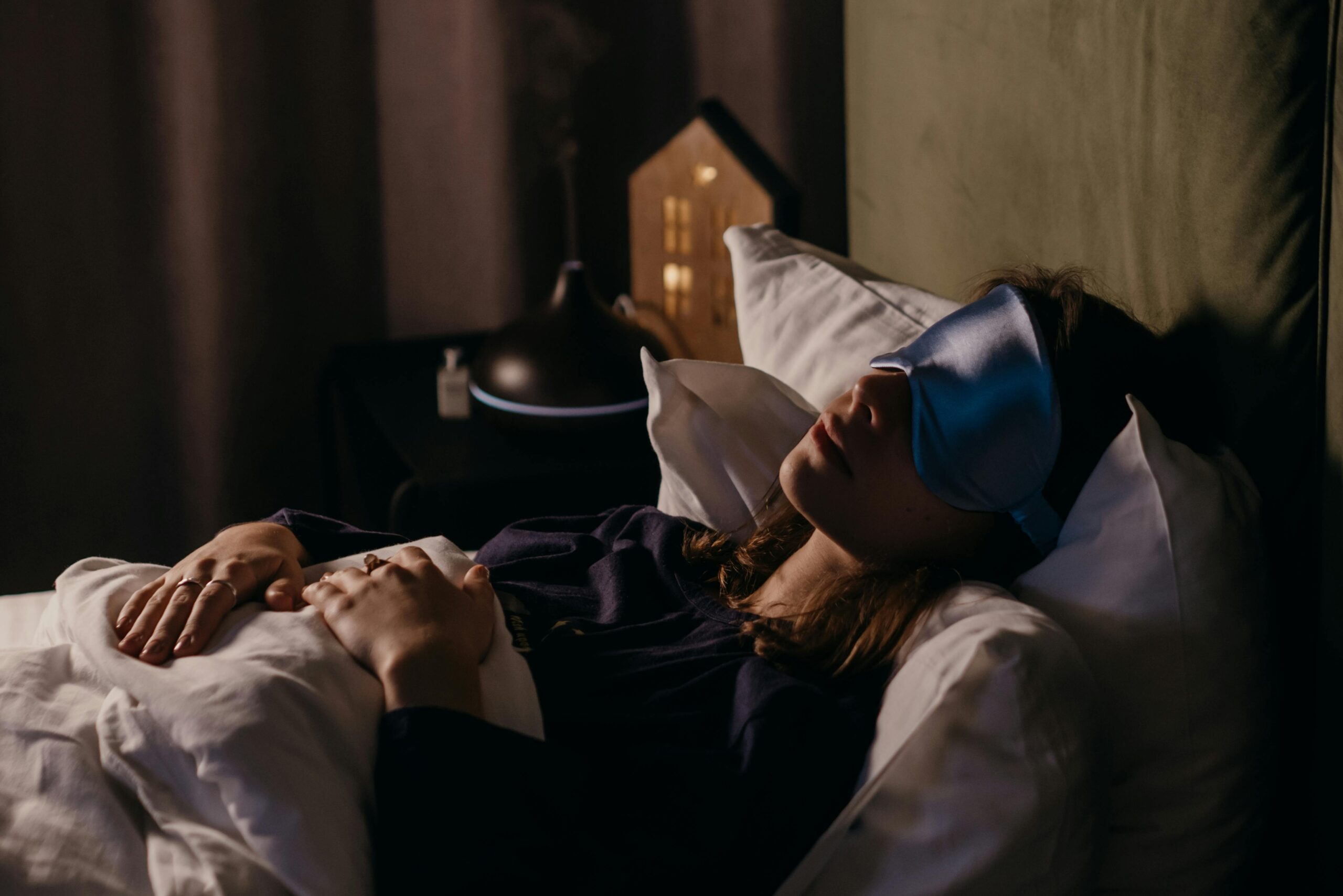
Even small amounts of light can interfere with melatonin production and disrupt circadian signaling. Install blackout curtains or use a sleep mask to ensure complete darkness. Cover or remove electronics with LED displays that emit light during the night.
Air Quality and Humidity
Stuffy, dry, or poorly ventilated rooms can cause discomfort that interferes with sleep onset. Maintain bedroom humidity between 30-50% and ensure adequate ventilation without creating drafts. Some people find that HEPA air filters improve their sleep comfort by reducing allergens and ensuring fresh air circulation.
Sustaining Your Conditioning Success Over Time ⏳
Sleep onset conditioning isn’t a temporary fix—it’s a sustainable skill that improves with practice. Once established, these conditioned responses become increasingly automatic and resilient. However, maintaining your success requires ongoing commitment to your routine, especially during challenging periods.
Life events, travel, illness, and stress will occasionally disrupt your conditioning. When this happens, don’t catastrophize or abandon your practices. Simply return to your routine as quickly as possible. Your previously established conditioning will reassert itself much faster than it initially developed—typically within just a few consistent nights.
Transforming Your Days Through Better Nights 🌞
The ultimate goal of sleep onset conditioning extends far beyond falling asleep faster. When you consistently achieve rapid sleep onset and quality rest, the benefits cascade throughout your waking life. You’ll experience sharper cognitive function, more stable moods, improved physical health, enhanced creativity, and greater resilience to stress.
Research consistently demonstrates that people who sleep well perform better across virtually every dimension of life—from professional productivity to relationship satisfaction to physical fitness. By mastering sleep onset conditioning, you’re not just improving your nights; you’re fundamentally upgrading your daily experience.
The investment of time and effort required to establish effective sleep onset conditioning pays dividends every single day for the rest of your life. Your brain and body will thank you with the energy, clarity, and vitality that come from truly restorative sleep.
Start implementing these conditioning principles tonight. Within weeks, you’ll join the ranks of people who confidently lay their heads down knowing that sleep will arrive swiftly, allowing them to wake refreshed and ready to embrace each new day with enthusiasm and energy.