In our fast-paced modern world, finding moments of genuine tranquility can feel impossible. Body scan relaxation offers a scientifically-proven pathway to deep calm and lasting inner peace.

🧘♀️ What Is Body Scan Relaxation and Why Does It Matter?
Body scan relaxation is a mindfulness-based technique that involves systematically directing your attention through different parts of your body, from your toes to the crown of your head. This practice, rooted in ancient meditation traditions and validated by contemporary neuroscience, helps you develop a profound awareness of physical sensations while releasing accumulated tension.
Unlike other relaxation methods that focus solely on the mind, body scan meditation acknowledges the intimate connection between physical and mental well-being. When you consciously observe your body without judgment, you create space for stress to dissolve naturally, allowing your nervous system to shift from fight-or-flight mode into a state of rest and restoration.
The beauty of this technique lies in its accessibility. You don’t need special equipment, expensive memberships, or years of training. All you need is a quiet space, a few minutes of dedicated time, and a willingness to turn your attention inward. Whether you’re struggling with chronic stress, anxiety, insomnia, or simply seeking a deeper connection with yourself, body scan relaxation can be your gateway to transformation.
The Science Behind Body Scan Meditation: How It Rewires Your Brain
Research in neuroscience has revealed fascinating insights into how body scan meditation affects our brain structure and function. Studies using functional MRI scans show that regular practice increases gray matter density in brain regions associated with emotional regulation, self-awareness, and perspective-taking.
When you engage in body scan relaxation, you activate the parasympathetic nervous system—your body’s natural relaxation response. This triggers a cascade of physiological changes: your heart rate slows, blood pressure decreases, stress hormones like cortisol diminish, and your body enters a state conducive to healing and regeneration.
Additionally, body scan meditation strengthens the connection between your prefrontal cortex (the rational, decision-making part of your brain) and the amygdala (your emotional alarm system). This enhanced communication allows you to respond to stressors with greater clarity and composure rather than reacting impulsively from a place of anxiety or fear.
Measurable Benefits Backed by Research
Multiple clinical studies have documented the tangible benefits of regular body scan practice:
- Reduction in symptoms of anxiety and depression by up to 40% in some studies
- Improved sleep quality and decreased insomnia severity
- Lower perceived pain levels in individuals with chronic pain conditions
- Enhanced immune system function and faster recovery from illness
- Increased emotional resilience and stress management capacity
- Better body awareness and improved interoceptive accuracy
🌟 Step-by-Step Guide to Your First Body Scan Experience
Beginning a body scan meditation practice is simpler than you might think. Here’s a comprehensive guide to help you experience your first session with confidence and ease.
Preparing Your Space and Mindset
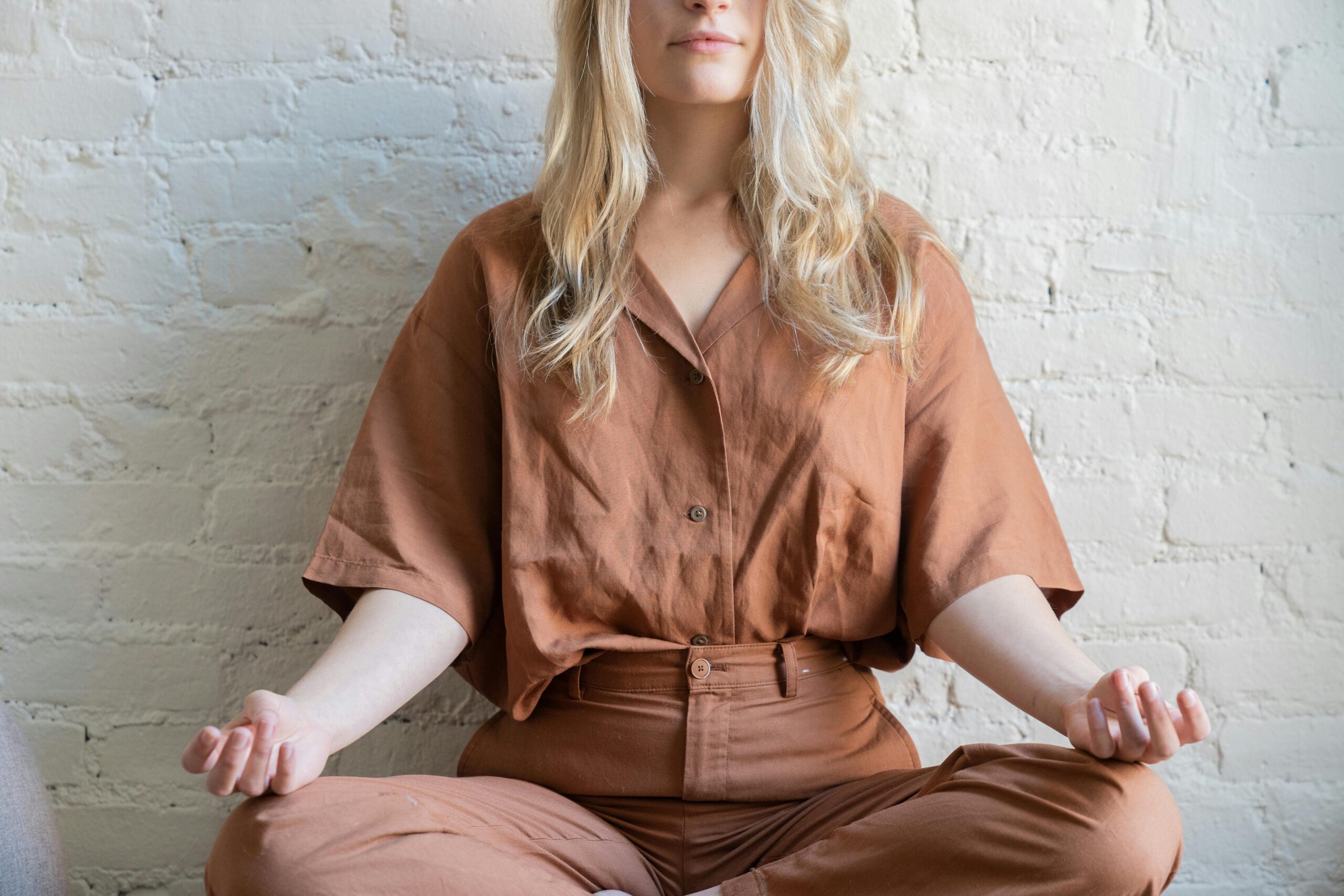
Choose a quiet location where you won’t be disturbed for at least 15-20 minutes. Dim the lights, turn off your phone notifications, and create an environment that feels safe and comfortable. You can practice lying down on a yoga mat or bed, or sitting in a comfortable chair with your back supported.
Wear loose, comfortable clothing that doesn’t restrict your breathing or circulation. If you’re lying down, you might want to place a pillow under your knees to support your lower back. Some people prefer covering themselves with a light blanket as body temperature can drop slightly during deep relaxation.
The Body Scan Sequence: Moving Through Your Physical Landscape
Begin by closing your eyes and taking three deep, cleansing breaths. Notice the sensation of air entering your nostrils, filling your lungs, and then releasing slowly through your mouth. Allow your breathing to return to its natural rhythm without forcing or controlling it.
Direct your attention to your left foot. Simply notice whatever sensations are present—warmth, coolness, tingling, pressure from the surface beneath you, or perhaps no particular sensation at all. There’s no right or wrong experience. Your only task is to observe with gentle curiosity.
Spend 30-60 seconds with each body part before moving your attention upward: left ankle, left calf, left knee, left thigh. Then repeat the sequence with your right leg. Continue systematically through your pelvis, lower back, abdomen, chest, upper back, shoulders, arms, hands, neck, face, and finally the crown of your head.
If you notice areas of tension or discomfort, imagine breathing into that space. Visualize the tension dissolving with each exhale, like ice melting in warm sunlight. Remember, the goal isn’t to change or fix anything—simply to notice and accept what’s present in this moment.
💡 Advanced Techniques to Deepen Your Practice
Once you’ve established a basic body scan routine, you can explore variations that enhance the experience and address specific needs.
The Gratitude-Infused Body Scan
As you move through each body part, pause to appreciate its function and contribution to your life. Thank your feet for carrying you through your day, your hands for allowing you to create and connect, your heart for beating faithfully without conscious effort. This variation cultivates both relaxation and a profound sense of appreciation for your physical vessel.
The Tension-Release Method
Before scanning each area, intentionally tense those muscles for 5-7 seconds, then release completely. This progressive muscle relaxation technique, when combined with body scan awareness, creates a more dramatic contrast between tension and release, making relaxation more noticeable and accessible.
The Breath-Following Body Scan
Imagine your breath as a warm, healing light that travels to whichever body part holds your attention. Visualize this light filling the space, bringing oxygen, vitality, and peace to every cell. This visualization technique can be particularly powerful for those who are more visually oriented.
🔄 Integrating Body Scan Relaxation Into Your Daily Life
The true transformation happens not in isolated practice sessions but in how body scan awareness permeates your everyday existence. Here are practical strategies for weaving this technique into the fabric of your daily routine.
Morning Body Scan: Setting Your Intention
Before getting out of bed, spend five minutes doing a quick body scan. This morning ritual helps you start the day grounded in physical awareness rather than immediately jumping into mental chatter about tasks and responsibilities. You’ll notice that days begun with this practice tend to unfold with greater ease and presence.
Micro Body Scans Throughout the Day
You don’t always need 20 minutes for body scan benefits. During transitions—waiting for your computer to start, standing in line, or before important meetings—do a rapid 60-second body scan. Simply check in with your jaw, shoulders, and belly, three common areas where stress accumulates unconsciously.
Evening Wind-Down Scan for Restorative Sleep
Perhaps the most popular application of body scan meditation is as a sleep aid. Lying in bed, move through your body with the specific intention of releasing the day’s accumulated tension. Many people find they fall asleep before completing the scan—this isn’t failure; it’s a sign your body has received permission to rest deeply.
📱 Technology and Body Scan Meditation: Finding the Right Balance
While the essence of body scan meditation is simple and requires nothing external, technology can serve as helpful training wheels, especially for beginners who benefit from guided instruction.
Numerous meditation apps offer guided body scan sessions ranging from five minutes to an hour. These can be valuable for learning the technique, maintaining consistency, and exploring different teaching styles. However, it’s important to eventually develop the ability to practice without external guidance, as true inner peace comes from cultivating your own internal resources rather than depending on external props.
When Technology Enhances Practice
Guided body scan recordings can be particularly helpful when you’re learning the sequence, dealing with a restless mind that needs more structure, or exploring different approaches from various teachers. Apps with customizable session lengths allow you to adapt practice to your available time, making consistency more achievable.
The Pitfall of Digital Dependence
Be mindful of becoming so dependent on guided recordings that you lose confidence in your ability to practice independently. Additionally, the very devices that deliver meditation guidance also deliver endless distractions. Consider using a dedicated device for meditation apps, or at minimum, enabling airplane mode before beginning your practice.
🌈 Overcoming Common Challenges in Body Scan Practice
Every meditator encounters obstacles. Understanding these challenges and having strategies to work with them transforms potential frustrations into opportunities for growth.
The Wandering Mind
Perhaps the most common complaint: “My mind won’t stop wandering!” This isn’t a problem to solve but rather an opportunity to practice the essence of meditation—noticing when attention has drifted and gently returning it to the body. Each time you notice and return, you’re strengthening your awareness muscles. The wandering isn’t failure; the noticing and returning is the practice.
Falling Asleep During Practice
If you consistently fall asleep during body scans (and sleep isn’t your intention), try practicing at a different time of day, sitting rather than lying down, or in a slightly cooler room. That said, if you’re using body scan specifically for sleep, falling asleep is actually perfect—your body is responding exactly as intended.
Physical Discomfort or Restlessness
Ironically, when we finally pause and tune into our bodies, we often become acutely aware of discomfort we’ve been ignoring. Rather than immediately adjusting your position, first try simply observing the discomfort with curiosity. Often, sensations shift or dissipate when given attention. If genuine pain persists, mindfully adjust your position, then continue the scan.
Emotional Releases and Unexpected Feelings
Our bodies store emotional experiences and trauma. Sometimes during body scan meditation, unexpected emotions surface—sadness, anxiety, or even inexplicable joy. This is a sign that the practice is working, creating space for held emotions to process and release. Allow whatever arises to be present without judgment. If emotions feel overwhelming, open your eyes, place your hand on your heart, and remind yourself that you’re safe.
✨ The Transformative Journey: What to Expect Over Time
Body scan meditation is not a quick fix but a gradual unfolding, a journey that reveals its gifts progressively as you commit to regular practice.
First Two Weeks: Building the Foundation
Initially, you’re primarily developing the habit and learning the technique. You might feel somewhat awkward or uncertain. Some sessions will feel peaceful; others may feel agitated or boring. All of this is normal. Your primary goal during this phase is simply showing up consistently, establishing the neural pathways that make the practice feel more natural.
Weeks Three to Eight: Noticing Subtle Shifts
Around the three-week mark, many practitioners notice the first tangible benefits: falling asleep more easily, feeling less reactive to minor stressors, experiencing spontaneous moments of body awareness throughout the day. The practice itself typically feels less effortful, more like coming home to yourself.
Three Months and Beyond: Deep Integration
With sustained practice, body scan meditation becomes less something you do and more a way you exist in the world. You develop what researchers call “interoceptive awareness”—a refined ability to read your body’s signals before they become overwhelming. You recognize tension patterns as they form rather than after they’ve solidified. You respond to your body’s needs with greater wisdom and compassion.
🎯 Tailoring Body Scan Meditation to Your Unique Needs
While the basic technique remains consistent, you can adapt body scan meditation to address specific challenges and goals.
Body Scan for Anxiety Management
When practicing specifically for anxiety, pay special attention to areas where anxiety manifests physically—often the chest, throat, and stomach. Rather than trying to make anxious sensations disappear, practice being with them curiously and compassionately. Label what you notice: “tightness in chest,” “butterflies in stomach,” “shallow breathing.” This creates psychological distance from the sensations, reducing their intensity.
Body Scan for Chronic Pain
For those managing chronic pain, body scan meditation offers a way to change your relationship with discomfort. Instead of resistance (which actually amplifies pain perception), you practice accepting awareness. Distinguish between the raw physical sensation and the mental-emotional reactivity surrounding it. Many chronic pain sufferers report that while the sensation doesn’t disappear, the suffering around it significantly decreases.
Body Scan for Performance and Athletics
Athletes increasingly use body scan techniques to enhance body awareness, identify areas of subtle dysfunction before they become injuries, and facilitate recovery. A post-workout body scan can accelerate healing by consciously directing breath and awareness to fatigued muscle groups.
🌸 Creating a Sustainable Practice That Lasts
Knowledge of body scan techniques means nothing without consistent application. Here’s how to build a practice that endures beyond initial enthusiasm.
Start Smaller Than Feels Necessary
The most common mistake is starting too ambitiously. Commit to just five minutes daily rather than 30 minutes three times weekly. It’s better to practice five minutes every day than to plan for longer sessions that your schedule can’t realistically accommodate. You can always extend time later; first establish the habit.
Same Time, Same Place
Habit formation research clearly shows that consistency of context strengthens behavioral patterns. Choose a specific time and location for your practice. Your brain will begin associating that time and place with the relaxation response, making it easier to drop into the meditative state.
Track Without Judgment
Keep a simple practice log—a calendar where you mark days you practiced. This creates positive accountability without harsh self-criticism. If you miss days, simply notice the pattern and recommit without drama. What you track tends to improve naturally.
Find Your Community
While body scan meditation is ultimately a solo practice, connecting with others who value this work provides encouragement and inspiration. This might be a local meditation group, an online community, or simply sharing your practice with a friend who joins you in the commitment.
💫 The Ripple Effect: How Inner Peace Transforms Your External World
As you develop deep calm and inner peace through body scan relaxation, you’ll notice something remarkable: the changes aren’t confined to your meditation sessions. The peace you cultivate internally begins radiating outward, affecting every aspect of your life.
Relationships improve because you respond rather than react, listening with presence rather than formulating your next statement. Work becomes less overwhelming because you can feel stress accumulating and address it before reaching burnout. Sleep deepens, energy increases, and you experience more frequent moments of simple contentment—not because circumstances have dramatically changed, but because your relationship to those circumstances has transformed.
Body scan meditation teaches perhaps the most valuable lesson available to humans: that peace isn’t something to chase in external circumstances but a capacity to develop within yourself. No matter what’s happening in your life—challenges, transitions, grief, or joy—you always have access to the present moment awareness that lives in your body. This is true freedom.
The transformative power of body scan relaxation isn’t mystical or mysterious. It’s the natural result of regularly directing kind, curious attention to your physical experience. In a world that constantly pulls your awareness outward and forward, the simple act of returning home to your body, again and again, is revolutionary. Start today with just five minutes. Your future self—calmer, more grounded, more at peace—is waiting to thank you.