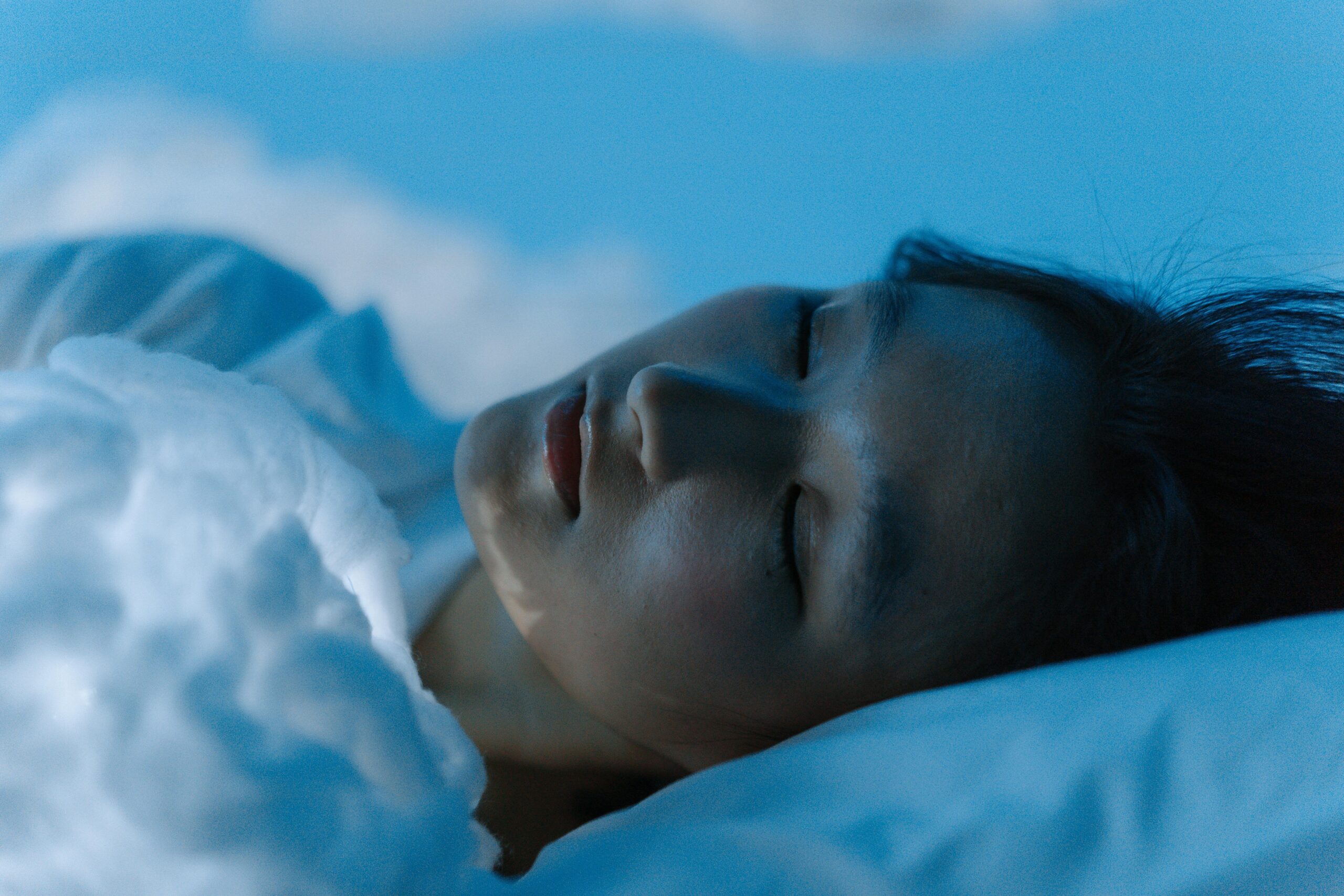
Creating a perfect daytime sleep sanctuary transforms ordinary naps into powerful restoration sessions that boost energy, mood, and overall productivity throughout your day.

The art of napping has been celebrated across cultures for centuries, from the Spanish siesta to the Japanese inemuri. Yet, many people struggle to achieve truly restorative daytime sleep because their environment isn’t optimized for rest. Unlike nighttime sleep, daytime napping requires special consideration since you’re working against your body’s natural circadian rhythms and external environmental factors like sunlight and noise.
Whether you’re a shift worker, a busy parent stealing moments of rest, or someone who embraces the power nap lifestyle, transforming your space into a dedicated sleep sanctuary can dramatically improve the quality of your daytime rest. This comprehensive guide will walk you through every element needed to create the ultimate napping environment that promotes deep relaxation and genuine rejuvenation.
🌙 Understanding the Science Behind Daytime Sleep
Before diving into practical tips, it’s essential to understand why daytime sleep differs from nighttime rest. Your body operates on a circadian rhythm—an internal clock that regulates sleep-wake cycles based primarily on light exposure. During daylight hours, your brain produces less melatonin, the hormone responsible for inducing sleepiness, making it naturally more challenging to fall asleep.
Research shows that the ideal nap duration ranges between 10 to 30 minutes for a quick energy boost, or 90 minutes for a complete sleep cycle. Anything in between may leave you feeling groggy due to sleep inertia—that disoriented feeling when waking from deep sleep. Understanding these biological factors helps you design a space that actively counteracts the challenges of daytime sleep.
Environmental factors play a more critical role in daytime sleep than nighttime rest. Your nap sanctuary must compensate for increased ambient light, higher noise levels, and warmer temperatures that naturally occur during the day. By addressing these factors systematically, you can create conditions that signal your brain it’s time to rest, regardless of what time the clock shows.
☀️ Mastering Light Control for Optimal Darkness
Light is perhaps the most powerful environmental cue affecting your ability to fall asleep during the day. Even small amounts of light can suppress melatonin production and keep your brain alert. Creating complete darkness should be your first priority when designing a daytime sleep sanctuary.
Blackout curtains are the foundation of effective light control. Look for curtains with multiple layers or those specifically rated for complete light blocking. The best options extend beyond the window frame on all sides, preventing light leakage around the edges. Some people prefer blackout roller shades combined with regular curtains for both functionality and aesthetics.
For those who cannot modify their space with curtains, a high-quality sleep mask offers an excellent alternative. Modern sleep masks feature contoured designs that block light without putting pressure on your eyes, allowing for natural REM movement. Some advanced options even include built-in cooling gel or weighted designs for added comfort and relaxation.
Don’t overlook secondary light sources in your room. Cover or remove digital clocks with bright displays, place electrical tape over small LED indicator lights on electronics, and consider door draft stoppers that also block light from hallways. Even tiny light sources can disrupt your sleep quality more than you might realize.
🔇 Creating a Soundproof Haven for Undisturbed Rest
Daytime brings increased noise from traffic, neighbors, household activities, and nature itself. Your sleep sanctuary must address these auditory challenges to prevent interruptions and facilitate deep relaxation.
White noise machines have become popular for good reason—they create a consistent sound blanket that masks irregular noises that would otherwise wake you. The constant, neutral sound helps your brain filter out disturbances while creating an auditory cue for sleep. Choose machines with natural sound options like rainfall, ocean waves, or fan sounds, depending on your preference.
For those seeking a technological solution, specialized apps can transform your smartphone into a powerful sleep aid. Apps like White Noise Generator, Sleep Sounds, or Atmosphere offer customizable soundscapes that can help mask disruptive daytime noises.
Physical sound barriers also play an important role. Heavy curtains don’t just block light—they also absorb sound. Adding rugs, upholstered furniture, and wall hangings creates additional sound dampening. For serious noise issues, consider weather stripping around doors and acoustic panels designed for home use.
High-quality earplugs offer another layer of protection. Modern foam earplugs conform to your ear canal while remaining comfortable for extended wear. Some people prefer silicone earplugs that seal the outer ear, while others opt for musician-grade earplugs that reduce volume without completely blocking sound, allowing them to hear alarms or urgent calls.
🌡️ Temperature Optimization for Comfortable Sleep
Temperature significantly impacts sleep quality, and daytime napping often occurs during the warmest parts of the day. Scientific research consistently shows that cooler environments promote better sleep, with the ideal range between 60-67°F (15-19°C) for most people.
If you have air conditioning, program it to cool your nap space before your scheduled rest time. If not, strategic fan placement can create comfortable air circulation. Ceiling fans work excellently in combination with standing fans to move air effectively throughout the room without creating direct drafts that might be uncomfortable.
Cooling bedding technologies have advanced significantly in recent years. Look for mattress toppers with gel-infused memory foam or phase-change materials that actively regulate temperature. Cooling sheets made from bamboo, eucalyptus, or moisture-wicking athletic fabrics help prevent overheating during daytime rest.
A cooling pillow can make a remarkable difference in comfort levels. Options include water-based pillows, those with ventilated gel inserts, or pillows specifically designed with cooling fabrics. Some people keep a dedicated “nap pillow” in their refrigerator, swapping it out for immediate cooling relief.
🛏️ Selecting the Perfect Napping Surface
Your sleeping surface dramatically affects the quality of your daytime rest. While your regular bed might be the obvious choice, creating a dedicated napping space can psychologically separate night sleep from day sleep, potentially improving both.
The best napping surface balances support and comfort. Memory foam toppers provide excellent pressure relief without requiring a complete mattress investment. If you’re napping in an office or living room, a high-quality recliner with leg support can be ideal for shorter naps, as the slight incline may prevent you from falling into deeper sleep stages that cause grogginess.
For flexible options, Japanese-style floor mattresses (futons) or yoga mats with thick blankets create designated napping spots that can be stored away when not in use. Hammocks offer another alternative—the gentle rocking motion can actually promote faster sleep onset for many people.
Don’t underestimate the importance of quality pillows. Your daytime nap sanctuary should include pillows that properly support your head and neck in your preferred sleeping position. Side sleepers need thicker pillows, back sleepers benefit from medium support, and stomach sleepers require thin pillows or none at all.
🧘 Establishing the Right Ambiance and Atmosphere
Beyond the physical elements, the overall atmosphere of your nap sanctuary influences how quickly you fall asleep and how restorative your rest becomes. Creating the right ambiance involves engaging multiple senses to signal your body that it’s time for rest.
Aromatherapy has proven benefits for sleep quality. Lavender remains the most researched and effective scent for promoting relaxation and sleep. Use essential oil diffusers, pillow sprays, or sachets placed near your napping area. Other beneficial scents include chamomile, bergamot, sandalwood, and vanilla. Experiment to find which aromas work best for you, but keep concentrations mild—overpowering scents can be counterproductive.
Color psychology suggests that certain hues promote relaxation better than others. Blues, greens, and neutral tones create calming environments, while bright reds, oranges, and yellows tend to energize. If possible, paint your nap space in soothing colors, or use bedding and accessories in these calming shades.
Minimize clutter in your sleep sanctuary. Visual chaos creates mental stress, even when you’re not consciously aware of it. Keep your napping space tidy and dedicated to rest—avoid using it as storage or workspace. This psychological association between the space and rest helps condition your brain for sleep.
⏰ Implementing Smart Technology for Better Napping
Modern technology offers numerous tools to enhance your daytime sleep experience. Smart home devices can automate your sleep sanctuary, creating optimal conditions with minimal effort.
Smart lighting systems allow you to program gradual dimming before your scheduled nap time and gradual brightening to simulate sunrise when it’s time to wake. This gentle transition is much healthier than abrupt light changes and helps prevent sleep inertia.
Sleep tracking apps and wearable devices help you understand your personal sleep patterns and optimize your napping schedule. By analyzing your data over time, you can identify the ideal nap duration and timing for maximum benefit. Many apps also feature smart alarms that wake you during lighter sleep phases, preventing that groggy feeling.
Meditation and relaxation apps can guide you into a restful state, especially useful if you struggle with racing thoughts during daytime rest. Guided sleep meditations, progressive muscle relaxation recordings, or breathing exercises help transition your mind from active daytime mode to restful sleep mode.
🧘♀️ Creating Pre-Nap Rituals That Signal Sleep Time
Just as bedtime routines help children sleep, adults benefit from consistent pre-nap rituals that psychologically prepare the body and mind for rest. These rituals become powerful cues that trigger your sleep response, making it easier to fall asleep quickly during the day.
Begin your ritual 10-15 minutes before your intended nap time. This might include dimming lights, changing into comfortable nap clothes, performing gentle stretches, or practicing brief meditation. Consistency is key—repeating the same sequence trains your brain to recognize these actions as sleep preparation.
Consider incorporating a brief mindfulness practice. Even five minutes of focused breathing or body scanning can significantly reduce stress hormones and activate your parasympathetic nervous system, which promotes rest and digestion. This transition period helps bridge the gap between active daytime consciousness and restful sleep.
Avoid screens for at least 30 minutes before napping. The blue light from phones, tablets, and computers suppresses melatonin production and stimulates alertness. If you must use devices, enable night mode features that reduce blue light emission, though complete avoidance is ideal.
💤 Optimizing Nap Duration and Timing
Even the most perfect sleep sanctuary won’t deliver optimal results if your nap timing and duration aren’t aligned with your body’s natural rhythms. Understanding these factors helps you maximize the rejuvenating benefits of daytime sleep.
The power nap (10-20 minutes) provides quick energy and improved alertness without entering deep sleep stages. This duration is ideal for busy professionals or anyone needing a quick recharge. Set an alarm and resist the temptation to extend—those extra minutes can backfire, leaving you groggy.
The 90-minute nap allows you to complete a full sleep cycle, including REM sleep. This duration enhances creativity, emotional processing, and procedural memory. Because you wake at the end of a cycle rather than in the middle, you’re less likely to experience sleep inertia. However, this longer nap requires more time and might not fit everyone’s schedule.
Timing matters as much as duration. Most people experience a natural dip in alertness between 1:00 and 3:00 PM—the ideal window for napping. Avoid napping too late in the afternoon (after 3:00 PM) as this can interfere with nighttime sleep. Early afternoon naps complement rather than compete with your nighttime rest.
🌿 Incorporating Natural Elements for Enhanced Relaxation
Bringing elements of nature into your sleep sanctuary can significantly enhance relaxation and sleep quality. Humans have an innate connection to natural environments—a concept known as biophilia—and incorporating these elements indoors creates a more soothing atmosphere.
Indoor plants not only beautify your space but also improve air quality by filtering toxins and producing oxygen. Snake plants, peace lilies, and aloe vera are excellent choices because they’re low-maintenance and continue producing oxygen even at night. Position plants where you can see them but they won’t interfere with your sleeping space.
Natural materials in bedding and furniture create a more organic, calming environment. Choose cotton, linen, wool, or bamboo fabrics over synthetic materials. Wood furniture and natural fiber rugs add warmth and texture while avoiding the sterile feeling of purely modern spaces.
If possible, position your napping spot near a window (with blackout curtains for use during naps). The option to enjoy natural light and views of nature during waking hours helps regulate your circadian rhythm, making controlled darkness during naps even more effective by contrast.
🎯 Personalizing Your Space for Individual Needs
The ultimate sleep sanctuary is deeply personal—what works perfectly for one person might not suit another. Pay attention to your own responses and preferences as you create your ideal napping environment.
Some people sleep better with slight background noise, while others require absolute silence. Some prefer heavy blankets for the comforting weight, while others sleep better with minimal covering. Temperature preferences vary widely—listen to your body’s signals rather than following generic recommendations if they don’t feel right.
Your sleep sanctuary should reflect your specific lifestyle constraints. If you’re a parent, your nap space might need to be flexible and portable. Shift workers might need to create multiple sleep-friendly zones. Remote workers might transform an office corner into a napping area with screens or curtains for separation.
Keep a sleep journal tracking which elements most improve your daytime rest. Note factors like room temperature, noise levels, nap duration, and how refreshed you feel upon waking. This data helps you continuously refine your sanctuary for optimal results.
✨ Maintaining Your Sleep Sanctuary for Long-Term Success
Creating your ideal nap space is just the beginning—maintaining it ensures continued benefits over time. Regular care keeps your sanctuary inviting and functional, encouraging consistent use and better sleep hygiene.
Clean your bedding regularly, washing sheets and pillowcases weekly and mattress covers monthly. Fresh, clean bedding not only feels better but also reduces allergens that might interfere with breathing and sleep quality. Vacuum mattresses and air out pillows to prevent dust mite accumulation.
Periodically reassess your space as seasons change. Your summer nap sanctuary might require different cooling strategies than your winter setup. Rotate aromatherapy scents to prevent olfactory fatigue. Update your white noise playlists or try new meditation tracks to keep your pre-nap ritual engaging.
Protect your nap sanctuary’s boundaries. If you share your home with others, communicate about your napping schedule and the importance of minimizing disruptions during this time. Consider a “do not disturb” sign for your door, and silence non-essential notifications on your phone.

🌟 Transforming Daytime Rest Into a Powerful Wellness Tool
Your daytime sleep sanctuary represents more than just a place to rest—it’s an investment in your overall health, productivity, and quality of life. Research consistently demonstrates that strategic napping reduces stress, improves cognitive function, enhances creativity, and supports cardiovascular health.
By thoughtfully designing each element of your nap space, you’re creating an environment that actively promotes restoration rather than passively allowing it. This intentional approach transforms napping from a luxury into a practical wellness strategy that supports your busiest, most demanding days.
Remember that creating the perfect sleep sanctuary is an evolving process. Start with the most impactful changes—controlling light and sound—then gradually refine other elements based on your experience and needs. Be patient with yourself as you learn what works best for your unique biology and circumstances.
The ultimate daytime sleep sanctuary empowers you to take control of your energy levels and well-being. Whether you’re catching a quick power nap or enjoying a longer restorative rest, your carefully crafted environment supports deeper relaxation, faster sleep onset, and more refreshing awakening. Embrace the power of strategic daytime rest, and watch how this simple practice transforms your daily life with renewed energy, sharper focus, and greater overall wellness. Sweet dreams! 😴