
Finding peace in today’s noisy world can feel impossible, but sleep masks and earplugs offer a simple path to deeper rest and rejuvenation.

Modern life bombards us with constant stimulation. From glowing screens to urban noise pollution, our senses rarely get a break. When night falls, achieving the deep, restorative sleep our bodies crave becomes increasingly challenging. The solution might be simpler than you think: combining sleep masks with earplugs creates a sensory sanctuary that transforms your sleep quality.
Quality sleep isn’t a luxury—it’s a biological necessity. Yet millions struggle nightly with light pollution, disruptive sounds, and environmental factors that fragment their rest. Whether you’re a shift worker trying to sleep during daylight hours, a light sleeper sensitive to every noise, or simply someone seeking to optimize their sleep hygiene, the combination of sleep masks and earplugs offers a drug-free, effective approach to reclaiming your nights.
🌙 The Science Behind Darkness and Silence for Sleep
Your body’s internal clock, or circadian rhythm, relies heavily on environmental cues to regulate sleep-wake cycles. Light exposure, even in small amounts, can suppress melatonin production—the hormone responsible for making you feel drowsy and maintaining sleep throughout the night.
Studies have consistently shown that sleeping in complete darkness improves sleep quality significantly. Even the glow from a digital alarm clock or streetlights filtering through curtains can disrupt your natural sleep architecture. Your brain interprets these light signals as cues to stay alert, preventing you from entering the deep sleep stages where physical restoration occurs.
Similarly, auditory disturbances fragment sleep patterns. You don’t need to fully wake up for noise to impact your rest. Sounds can pull you from deep sleep into lighter stages without conscious awareness, leaving you feeling unrested despite spending adequate time in bed. Research indicates that noise pollution correlates directly with increased stress hormones, elevated heart rate, and reduced sleep efficiency.
Why Sleep Masks Transform Your Rest Experience
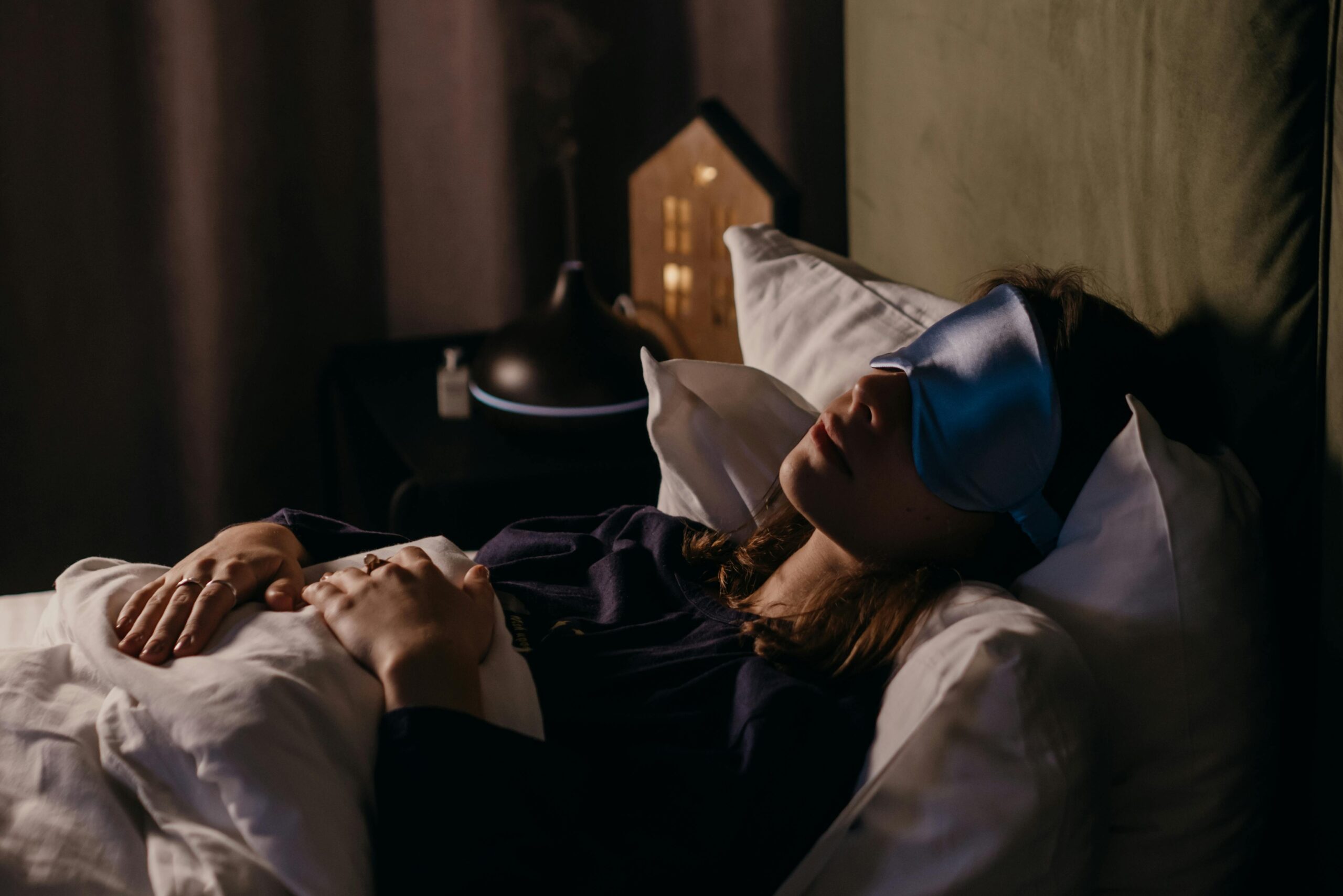
A quality sleep mask does more than block light—it creates a psychological signal that it’s time to disconnect from the world. This ritualistic aspect shouldn’t be underestimated. Just as reading or meditation can prepare your mind for sleep, wearing a sleep mask becomes part of your wind-down routine.
Modern sleep masks have evolved far beyond simple fabric strips. Today’s designs consider ergonomics, material science, and user comfort in ways that make them genuine sleep-enhancement tools rather than mere accessories.
Features That Matter in Sleep Masks
When selecting a sleep mask, certain characteristics separate mediocre products from game-changers. The fit around your nose determines whether annoying light leaks ruin the experience. Contoured designs that accommodate eye movement prevent pressure on your eyelids, which is especially important for those who experience rapid eye movement during dreams.
Material selection impacts both comfort and hygiene. Natural fibers like silk and bamboo offer breathability while feeling luxurious against skin. Memory foam options provide customized contouring, while weighted masks add gentle pressure that some users find calming—similar to the benefits of weighted blankets.
Adjustable straps ensure the mask stays positioned throughout the night without creating uncomfortable pressure points. Look for designs with wide, elastic bands that distribute tension evenly rather than thin straps that dig into your head.
🔇 The Power of Silence: Understanding Earplugs for Sleep
Not all earplugs serve the same purpose. Industrial-grade earplugs designed for construction sites or concerts block too much sound, potentially making you miss important alerts like alarms or emergencies. Sleep-specific earplugs reduce ambient noise while allowing critical sounds to penetrate.
The goal isn’t complete silence—which can actually feel unsettling—but rather the elimination of disruptive, unpredictable noises that trigger your brain’s alertness response. A partner’s snoring, traffic sounds, barking dogs, or noisy neighbors become manageable with the right ear protection.
Types of Earplugs for Different Sleep Needs
Foam earplugs remain the most affordable and widely available option. They compress for insertion, then expand to fill your ear canal, creating an effective sound barrier. However, they’re disposable and can feel uncomfortable for side sleepers who experience pressure against their pillow.
Silicone earplugs offer reusability and come in moldable or pre-shaped varieties. Moldable silicone putty conforms to your outer ear rather than inserting into the canal, making them gentler but potentially less effective for serious noise issues.
Wax earplugs provide natural warmth and comfortable molding properties. They’re particularly popular among people with sensitive ear canals or those who find other materials irritating.
Custom-molded earplugs, created from impressions of your ear canals, offer the ultimate in comfort and effectiveness. While more expensive, they’re ideal for long-term users who need reliable noise reduction without discomfort.
Creating Your Perfect Sleep Sanctuary Combo
Using sleep masks and earplugs together amplifies their individual benefits. This dual-sensory deprivation creates an immersive rest environment that helps your brain disconnect from external stimuli more completely than either tool alone.
The combination proves especially valuable in challenging sleep situations. Hotel rooms with inconsistent blackout curtains and thin walls become manageable. Long flights transform into opportunities for genuine rest. Daytime sleep for shift workers becomes feasible despite neighborhood activity and sunshine.
Adaptation Period: What to Expect
If you’ve never used sleep accessories before, expect an adjustment period. Your first few nights wearing a sleep mask might feel strange—you may wake to reposition it or experience mild claustrophobia. Similarly, earplugs require time to feel natural rather than intrusive.
Start by wearing these tools for short periods during relaxation rather than immediately committing to full nights. Practice wearing your sleep mask while reading or meditating before bed. Insert earplugs during quiet evening activities to acclimate before using them for sleep.
Most users report full adjustment within one to two weeks, after which they find sleeping without these aids increasingly difficult—a testament to their effectiveness once your body recognizes the improved rest quality.
💤 Maximizing Comfort: Practical Tips and Techniques
Proper insertion technique makes all the difference with earplugs. For foam varieties, roll them into thin cylinders, reach over your head with the opposite hand to pull your ear slightly upward and backward, then insert the compressed plug and hold it while it expands. This creates a proper seal deep enough to be effective yet comfortable.
With sleep masks, positioning matters as much as quality. The mask should sit comfortably on your face without gaps around the nose or temples, but without creating pressure. If you wake with indentations on your face or headaches, the strap is too tight.
Hygiene and Maintenance Considerations
Sleep accessories that contact your skin nightly require regular cleaning. Washable sleep masks should be laundered weekly using gentle detergent, then air-dried to maintain elasticity and shape. Many masks come with removable covers that simplify this process.
Reusable earplugs need cleaning after each use. Silicone varieties can be washed with mild soap and warm water, then dried completely before storage. Replace foam earplugs frequently—they’re designed for limited use and accumulate oils and debris that compromise both hygiene and effectiveness.
Store both items in clean, dry containers to prevent dust accumulation and maintain their condition. Dedicated cases protect sleep masks from crushing and keep earplugs readily accessible.
Special Considerations for Different Sleep Styles
Side sleepers face unique challenges with both earplugs and sleep masks. Pressure between your head and pillow can push earplugs uncomfortably deep or dislodge sleep masks. Look for low-profile earplugs specifically designed for side sleeping, and consider sleep masks with minimal rear bulk.
Stomach sleepers often find sleep masks more problematic, as facial pressure against the pillow can create discomfort. Ultra-thin masks or those with recessed eye areas work best for this position.
Back sleepers typically have the easiest experience with sleep accessories, as positioning creates less pressure and movement. However, they may need to secure sleep masks more firmly to prevent sliding during minor position changes.
🎯 Addressing Common Concerns and Misconceptions
Many people worry that earplugs will prevent them from hearing smoke alarms or other emergency alerts. Quality sleep earplugs reduce noise levels rather than eliminating sound completely—typically lowering volume by 20-30 decibels. This means disruptive ambient noise disappears while loud, important sounds remain audible.
Some fear that sleep masks cause wrinkles or eye problems. Well-designed masks that don’t create pressure on delicate eye area skin pose no risk. In fact, by improving sleep quality, they may reduce the dark circles and puffiness that result from poor rest.
There’s also concern about ear infections from earplug use. While improperly cleaned reusable earplugs or excessive use of foam plugs can contribute to problems, following proper hygiene practices makes this risk minimal. If you experience ear discomfort, consult a healthcare provider and consider alternative earplug styles.
Beyond Basic: Advanced Sleep Optimization Strategies
Sleep masks and earplugs form one component of comprehensive sleep hygiene. Combining them with other evidence-based practices compounds their effectiveness.
Temperature regulation significantly impacts sleep quality. Your body temperature naturally drops during sleep, and a cool room (around 65-68°F or 18-20°C) facilitates this process. Use breathable sleep masks that don’t trap heat around your eyes.
Consider incorporating white noise or nature sounds at low volume even with earplugs. This might seem contradictory, but consistent, predictable sound can mask irregular noises more effectively than silence alone, while earplugs ensure the volume remains gentle.
Aromatherapy pairs beautifully with sensory deprivation tools. Lavender, chamomile, or sandalwood scents applied to your pillow or diffused in your bedroom enhance relaxation without interfering with your sleep mask or earplugs.
🌟 Travel and Sleep: Maintaining Rest Away from Home
Sleep masks and earplugs prove invaluable for travelers. Whether crossing time zones, sleeping in unfamiliar environments, or catching rest during transit, these portable tools transform your ability to sleep anywhere.
Air travel particularly benefits from this combination. Cabin lighting designed for crew convenience rather than passenger rest, engine noise, conversations, and unpredictable announcements all disrupt sleep. With quality earplugs and a sleep mask, you create your personal rest zone regardless of surrounding chaos.
Hotel rooms vary wildly in their darkness and quietness. Rather than gambling on blackout curtains and soundproofing, carrying your sleep accessories ensures consistent rest regardless of accommodation quality.
Choosing Quality Products Worth Your Investment
Price doesn’t always correlate with quality in sleep accessories, but extremely cheap options often disappoint. Mid-range products typically offer the best balance of effectiveness, durability, and comfort.
Read reviews from users with similar needs—side sleepers should prioritize feedback from other side sleepers, for example. Look for comments about durability, as sleep masks that lose elasticity or earplugs that degrade quickly become expensive despite low initial costs.
Many companies offer trial periods or satisfaction guarantees. Take advantage of these policies to experiment with different styles until you find your perfect match. What works wonderfully for one person might feel uncomfortable to another, so personal testing matters more than marketing claims.
🛌 The Cumulative Benefits of Consistent Use
The true value of sleep masks and earplugs emerges over time. One night of improved sleep feels refreshing, but weeks and months of consistently better rest transform your overall wellbeing.
Adequate deep sleep strengthens immune function, improving your resistance to illness. Cognitive performance sharpens as your brain receives the restoration time it needs for memory consolidation and neural maintenance. Mood stabilizes with proper rest, reducing irritability and anxiety that accumulate with chronic sleep deprivation.
Physical recovery accelerates for active individuals and athletes. Growth hormone release peaks during deep sleep stages, facilitating muscle repair and development. By consistently reaching these crucial sleep phases, you enhance your body’s natural restoration processes.
Long-term sleep quality impacts chronic disease risk. Research links insufficient sleep with increased risks of cardiovascular disease, diabetes, obesity, and neurodegenerative conditions. Investing in sleep quality through simple tools like masks and earplugs contributes to your long-term health trajectory.
Making the Commitment to Better Sleep Tonight
Understanding the benefits of sleep optimization means nothing without implementation. Starting tonight, you can begin transforming your sleep quality with these accessible, affordable tools.
Purchase both a sleep mask and earplugs suited to your specific needs and sleep style. Don’t settle for whatever is cheapest or most convenient—invest a little time researching options that address your particular challenges, whether that’s partner snoring, street noise, or early morning light.
Commit to a two-week trial period, giving yourself time to adjust before judging effectiveness. Track your sleep quality, noting how you feel each morning and throughout the day. Many people discover they’ve been chronically sleep-deprived only after experiencing what genuine rest feels like.
Create a bedtime routine that incorporates your new sleep tools. Consistency reinforces their psychological impact as sleep signals. Perhaps you wash your face, do light stretching, insert your earplugs, then put on your sleep mask as the final step before lying down.
🌙 Embracing the Silent Darkness
In our overstimulated world, the simple act of blocking out light and sound becomes revolutionary. These modest tools offer something increasingly rare: the ability to disconnect completely, giving your body and mind the undisturbed rest they desperately need.
Sleep masks and earplugs don’t just help you fall asleep—they protect the quality of your entire sleep cycle. They prevent the micro-awakenings and stage disruptions that leave you feeling unrested despite sufficient time in bed. They create consistency in an inconsistent world, offering reliable rest whether you’re at home or traveling.
The investment is minimal compared to the returns. Better health, improved mood, sharper thinking, and greater energy throughout your waking hours all stem from those precious hours of undisturbed rest. By taking control of your sleep environment with these simple yet effective tools, you’re investing in every aspect of your life that depends on a well-rested you.
Your journey toward consistently restful nights begins with a single decision: choosing to prioritize sleep quality. Let darkness and silence become your allies in the quest for rejuvenating rest. Your body, mind, and future self will thank you for the gift of genuinely restorative sleep—night after peaceful night.