
In today’s fast-paced world, your breath might be the most underutilized tool for mastering your mind, enhancing mental clarity, and dramatically improving your productivity.

We live in an era of constant distractions, endless notifications, and mounting pressures that fragment our attention and drain our mental energy. While countless productivity hacks and wellness trends promise transformation, the answer to sustained focus and calm has been with us all along—literally in every breath we take.
Focused breathing isn’t just about relaxation or meditation. It’s a scientifically-backed practice that directly influences your nervous system, brain function, and cognitive performance. When practiced consistently, intentional breathing techniques can become your secret weapon for navigating challenging situations, making better decisions, and maintaining peak mental performance throughout your day.
🧠 The Science Behind Breathing and Brain Function
Your breathing pattern directly communicates with your brain through the vagus nerve, which connects your respiratory system to the parts of your brain responsible for emotional regulation, stress response, and cognitive function. This bidirectional highway means that changing how you breathe can immediately alter your mental state.
Research from Stanford University has shown that a specific cluster of neurons in the brainstem connects breathing rhythm to relaxation, attention, and excitement. When you breathe slowly and deliberately, these neurons send calming signals throughout your nervous system, reducing anxiety and sharpening focus.
The prefrontal cortex—your brain’s command center for executive functions like decision-making, planning, and attention—receives more oxygenated blood during controlled breathing exercises. This increased oxygen supply enhances neural efficiency, allowing you to think more clearly and respond to challenges with greater composure.
Furthermore, focused breathing activates the parasympathetic nervous system, often called the “rest and digest” mode. This counteracts the stress-induced sympathetic response that keeps many of us in a chronic state of fight-or-flight, depleting our mental resources and sabotaging productivity.
Why Most People Breathe Incorrectly Without Knowing It
Despite breathing approximately 20,000 times per day, most adults have developed dysfunctional breathing patterns that undermine their mental and physical health. Modern lifestyles—characterized by prolonged sitting, chronic stress, and shallow chest breathing—have disconnected us from our natural breathing rhythm.
Shallow breathing, where only the upper chest moves, limits oxygen intake and triggers stress responses in the body. This pattern becomes a vicious cycle: stress causes shallow breathing, which signals more stress to the brain, perpetuating anxiety and mental fog.
Many people also experience chronic mouth breathing, which bypasses the nose’s natural filtering and humidifying functions. Nasal breathing, by contrast, produces nitric oxide—a molecule that improves oxygen absorption and has anti-inflammatory properties beneficial for brain health.
The good news? These patterns can be retrained. Your breathing is both automatic and controllable, making it a unique gateway to influencing involuntary processes in your body and mind.
⚡ Immediate Benefits: How Focused Breathing Transforms Your Day
The effects of intentional breathing aren’t abstract or delayed—they’re immediate and measurable. Within minutes of practicing focused breathing techniques, you can experience tangible shifts in your mental state and cognitive capabilities.
Enhanced Mental Clarity and Decision-Making
When you consciously regulate your breath, you create a pause between stimulus and response. This small gap is where wisdom lives—where you can choose your reaction rather than being controlled by impulse or emotion. Leaders and high-performers across industries use breathing techniques before important meetings and decisions to access this clarity.
Focused breathing reduces mental clutter by quieting the default mode network in your brain—the system responsible for mind-wandering and rumination. With a quieter mind, relevant information becomes easier to access and process.
Stress Reduction and Emotional Regulation
Three minutes of deep, rhythmic breathing can lower cortisol levels and reduce blood pressure. This physiological shift immediately translates to emotional benefits: decreased irritability, reduced anxiety, and greater emotional stability throughout your day.
Rather than being hijacked by stress responses, you develop the capacity to maintain composure during challenges. This emotional steadiness becomes a foundation for sustained productivity and healthy workplace relationships.
Improved Focus and Concentration
Controlled breathing patterns synchronize brain wave activity, particularly increasing alpha waves associated with relaxed alertness—the ideal state for focused work. Athletes call this “the zone,” and breathing is one of the most reliable ways to access it on demand.
By anchoring your attention to the sensation of breath, you strengthen the neural pathways involved in concentration. This practice is essentially strength training for your attention span.
🎯 Practical Breathing Techniques for Different Situations
Not all breathing techniques serve the same purpose. Just as you wouldn’t use the same tool for every job, different breathing patterns optimize different mental states and outcomes.
Box Breathing for Pre-Performance Calm
Navy SEALs use box breathing to maintain composure in high-stress situations. This technique involves breathing in for four counts, holding for four, exhaling for four, and holding empty for four—creating a “box” pattern.
Use box breathing before presentations, difficult conversations, or any situation requiring calm confidence. Five rounds (approximately two minutes) can significantly lower anxiety while maintaining alertness.
4-7-8 Breathing for Stress Relief and Sleep
This pattern—inhaling for four counts, holding for seven, and exhaling for eight—activates the parasympathetic nervous system more strongly than almost any other technique. The extended exhale signals safety to your nervous system.
Practice 4-7-8 breathing during afternoon energy slumps, after stressful events, or before sleep to transition into rest mode. Four cycles are typically sufficient to feel the calming effects.
Energizing Breath for Mental Alertness
When you need a mental boost without caffeine, try breath of fire or bhastrika—rapid, rhythmic breathing that increases oxygen to the brain and elevates energy. Twenty to thirty quick breaths through the nose can clear mental fog and restore alertness.
Use this technique mid-morning or mid-afternoon when focus starts to wane, but avoid it close to bedtime as it can be too stimulating for sleep.
Resonance Breathing for Sustained Balance
Breathing at approximately five to six breaths per minute (inhaling for five seconds, exhaling for five seconds) creates “resonance” between your breathing, heart rate, and blood pressure. This pattern optimizes heart rate variability—a key marker of stress resilience and adaptability.
Practice resonance breathing for ten minutes daily to build long-term stress resilience and emotional balance. Many people find early morning or before bed ideal for establishing this routine.
Creating a Sustainable Breathing Practice
Knowledge without application creates frustration, not transformation. The real power of focused breathing emerges through consistent practice woven into your daily routine.
Start small—committing to two minutes of intentional breathing upon waking sets a calm, intentional tone for your entire day. This micro-habit creates disproportionate benefits by establishing mental clarity before the day’s demands begin.
Link breathing practice to existing routines through habit stacking. Practice three conscious breaths before checking your phone, starting your car, or beginning work. These breath anchors scattered throughout your day maintain baseline calm and focus.
Create environmental cues that remind you to breathe intentionally. A sticky note on your monitor, a phone reminder, or even a specific piece of jewelry can serve as breathing prompts until the practice becomes automatic.
Technology can support your practice through guided breathing apps that provide structure and accountability. Many applications offer timed breathing exercises, progress tracking, and reminders to help establish consistency.
💼 Integrating Breathwork into Your Professional Life
The workplace presents unique challenges and opportunities for applying focused breathing. Strategic breath awareness can transform how you navigate professional demands and interpersonal dynamics.
Pre-Meeting Preparation
Arrive three minutes early to important meetings and use that time for centering breathwork. This preparation shifts you from reactive to responsive mode, ensuring you contribute your best thinking rather than automatic reactions.
Transitional Breathing Between Tasks
Rather than rushing from one task to another, take three deliberate breaths as a mental reset. This micro-practice prevents accumulated stress and maintains cognitive freshness throughout the day.
Diffusing Workplace Tension
When facing conflict or receiving difficult feedback, pause for one slow breath before responding. This simple act engages your prefrontal cortex, allowing thoughtful response rather than defensive reaction.
Energy Management Across the Workday
Use different breathing techniques strategically: energizing breath during the mid-afternoon slump, calming techniques before challenging conversations, and resonance breathing during breaks to maintain baseline equilibrium.
🌟 Advanced Applications: Breathing for Peak Performance
Once basic breathing awareness becomes natural, you can explore more sophisticated applications that unlock higher levels of mental performance and self-regulation.
Breathing for Creative Breakthrough
Extended exhale breathing (inhaling for four counts, exhaling for eight) can induce light alpha brain wave states associated with creative insight. Many artists and innovators use breath practices to access non-linear thinking and fresh perspectives on stubborn problems.
Breathwork for Learning and Memory
Research suggests that nasal breathing during learning enhances memory consolidation compared to mouth breathing. When studying or learning new skills, maintain awareness of breathing through your nose to optimize retention.
Using Breath to Navigate Change
During periods of transition or uncertainty, establishing a consistent breathing practice provides an anchor of stability. When external circumstances feel chaotic, your breath remains something you can always control and return to.
Common Obstacles and How to Overcome Them
Despite breathing’s simplicity, several common challenges can derail your practice. Anticipating these obstacles helps you maintain consistency through initial resistance.
Many beginners report feeling like they’re “not doing it right” or experiencing frustration when their mind wanders. Remember that noticing distraction and returning to your breath is the practice—not maintaining perfect focus. Each return strengthens your attention capacity.
Some people experience lightheadedness when first practicing deeper breathing patterns. This typically indicates you’re breathing too forcefully. Slow down, soften your effort, and allow breathing to be effortless rather than exaggerated.
Finding time is perhaps the most common excuse. The truth? You’re already breathing constantly. The question isn’t whether you have time, but whether you’ll bring intention to breaths you’re already taking. Even traffic lights, loading screens, and elevator rides become opportunities for brief breathing resets.
Measuring Your Progress: Signs Your Practice Is Working
Unlike many wellness practices with delayed or subtle benefits, breathing produces measurable improvements you can track both subjectively and objectively.
Notice your default breathing patterns changing—catching yourself taking spontaneous deep breaths during the day, or naturally breathing through your nose more consistently. These automatic improvements indicate your nervous system is recalibrating.
Track your subjective experience: Are you recovering from stress more quickly? Finding it easier to maintain focus during challenging tasks? Sleeping more soundly? These qualitative improvements reflect genuine neurological changes.
Heart rate variability (HRV)—measurable through various wearable devices and apps—typically improves with consistent breathing practice. Higher HRV indicates greater stress resilience and autonomic nervous system flexibility.
🚀 The Compounding Effect: Small Practice, Massive Returns
The most profound aspect of focused breathing isn’t any single session’s benefit, but the cumulative transformation that unfolds over weeks and months of consistent practice.
Your nervous system gradually recalibrates to a calmer baseline. Situations that previously triggered stress responses begin feeling manageable. Your threshold for maintaining composure under pressure expands significantly.
Cognitive benefits compound as well. The concentration you develop through breath awareness transfers to every attention-demanding task. Your mind becomes less scattered, more present, and capable of sustained focus on what matters most.
Perhaps most significantly, breathing practice cultivates self-awareness—the foundation for all personal growth. By developing intimate familiarity with your breath, you become more attuned to your body’s signals, emotional patterns, and mental states before they overwhelm you.
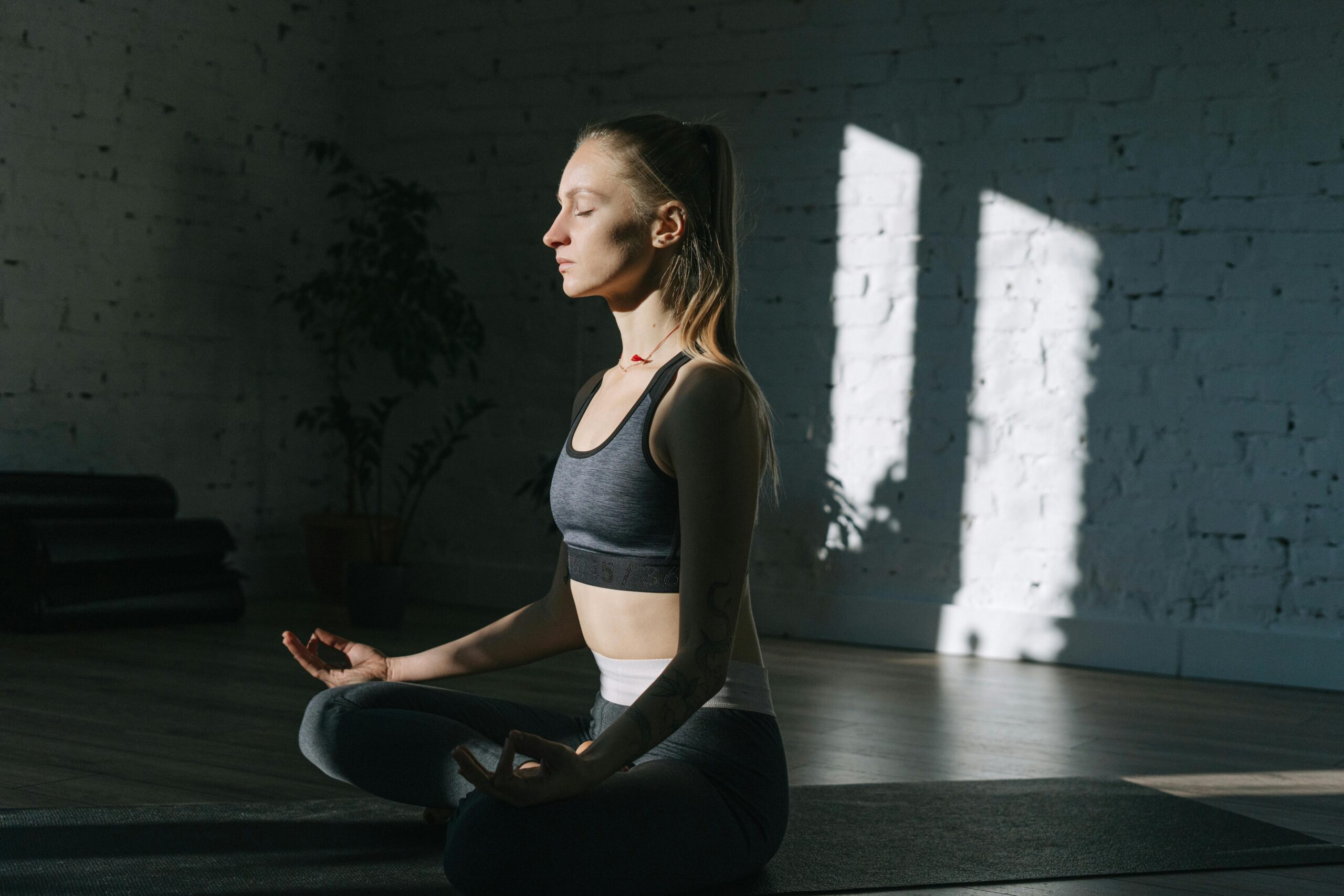
Your Breath, Your Superpower: Taking the Next Step
Mastering your mind through focused breathing isn’t mystical or complicated—it’s practical neuroscience applied through an ancient practice refined across millennia. Every breath offers a choice: unconscious autopilot or intentional presence.
The transformation doesn’t require hours of practice, expensive equipment, or special circumstances. It requires only willingness to bring attention to something you’re already doing constantly. Three minutes of intentional breathing practiced consistently creates more benefit than thirty minutes practiced sporadically.
Start where you are, with whatever breath you’re taking right now. Notice it without changing it. Feel the cool air entering your nostrils, the slight pause at the top, the warm air leaving your body. This simple awareness is where mastery begins.
Your breath connects you to the present moment—the only place where clarity, calm, and genuine productivity exist. While your mind races between past regrets and future anxieties, your breath is always here, always now, always available as an anchor to what matters most.
In a world obsessed with external solutions to internal challenges, your breath offers radical self-sufficiency. No app, supplement, or productivity system can replace the foundational practice of breathing with intention. Master this, and you’ve mastered the gateway to your mind, your emotions, and your potential. 🌬️