Working the night shift challenges your body’s natural rhythm, but with smart meal prep strategies, you can maintain energy levels and support your health throughout those demanding after-dark hours.

🌙 Understanding Your Body’s Night Shift Nutritional Needs
When you work against your circadian rhythm, your body faces unique metabolic challenges. Your digestive system naturally slows down during nighttime hours, making food choices critical for maintaining alertness and avoiding sluggishness. Night shift workers often struggle with weight gain, digestive issues, and energy crashes because they’re eating at times when their body expects to be fasting.
The key to successful night shift nutrition lies in understanding that your body needs consistent fuel, but not the same approach as traditional daytime eating. Your metabolism processes nutrients differently during nighttime hours, requiring strategic timing and careful selection of foods that support sustained energy without overwhelming your digestive system.
Research shows that night shift workers who plan their meals intentionally experience fewer health complications, better weight management, and improved mental clarity during work hours. This makes meal prep not just convenient, but medically advisable for anyone working after dark.
⏰ Timing Your Meals for Maximum Energy
Establishing a consistent eating schedule remains crucial for night shift workers, even if that schedule differs from conventional meal times. Think of your shift as your “day” and structure your eating pattern accordingly, regardless of what the clock says.
Pre-Shift Fueling Strategy
Your pre-shift meal serves as breakfast, regardless of when you eat it. Consume this meal 2-3 hours before your shift begins, focusing on complex carbohydrates, lean proteins, and healthy fats. This combination provides sustained energy release throughout the beginning of your shift without causing blood sugar spikes that lead to crashes.
Consider options like overnight oats with nuts and berries, whole grain toast with avocado and eggs, or quinoa bowls with grilled chicken and vegetables. These meals digest slowly, providing steady glucose release that keeps your brain functioning optimally during those critical first hours of work.
Mid-Shift Meal Planning
Your main meal during your shift should occur roughly in the middle, mimicking a traditional lunch break. This meal should be your largest, containing balanced portions of protein, complex carbohydrates, and vegetables. However, keep portions moderate to avoid post-meal drowsiness that can compromise your performance.
Prepare meals that reheat well and won’t upset your stomach during nighttime digestion. Options like baked salmon with sweet potato and steamed broccoli, turkey and vegetable stir-fry with brown rice, or chicken breast with roasted vegetables and quinoa work exceptionally well.
Strategic Snacking Throughout Your Shift
Small, nutrient-dense snacks every 2-3 hours help maintain stable blood sugar levels without overloading your digestive system. These mini-meals prevent energy dips and keep your metabolism active without causing the sluggishness that comes from large meals consumed during hours when your body naturally slows down.
🥗 Power Foods That Combat Night Shift Fatigue
Certain foods work particularly well for night shift workers because of how they interact with your metabolism and energy systems during overnight hours. Building your meal prep around these foundational ingredients sets you up for success.
Protein Champions for Sustained Energy
Lean proteins keep you feeling full longer and provide amino acids that support neurotransmitter production, essential for mental clarity during night hours. Chicken breast, turkey, fish, eggs, Greek yogurt, and plant-based options like tofu and legumes should form the foundation of your night shift meal prep.
Prepare proteins in bulk at the beginning of your work week. Grill several chicken breasts, hard-boil a dozen eggs, bake salmon fillets, or cook a large batch of beans. Having these ready-to-use proteins makes assembling balanced meals throughout the week effortless.
Complex Carbohydrates for Brain Fuel
Your brain requires glucose to function, but simple carbohydrates cause energy crashes that devastate productivity during night shifts. Complex carbohydrates release glucose gradually, providing steady mental fuel without the rollercoaster effect of refined sugars.
Stock your meal prep containers with quinoa, brown rice, sweet potatoes, whole grain pasta, oats, and whole wheat bread. These carbohydrates pair beautifully with proteins and vegetables, creating satisfying meals that support cognitive function throughout your shift.
Healthy Fats for Hormonal Balance
Night shift work disrupts hormone production, but healthy fats help mitigate this effect while providing concentrated energy and supporting nutrient absorption. Include avocados, nuts, seeds, olive oil, and fatty fish in your weekly meal prep rotation.
These fats also improve satiety, preventing the constant hunger that many night shift workers experience. A handful of almonds or a few tablespoons of hummus with vegetables can bridge the gap between meals without derailing your energy levels.
📦 Practical Meal Prep Systems That Actually Work
Having nutritious food planned is pointless if your meal prep system creates stress or becomes unsustainable. The following strategies have been tested by thousands of night shift workers and consistently deliver results.
The Batch Cooking Method
Dedicate 2-3 hours during your days off to prepare components that mix and match throughout the week. Cook large quantities of 2-3 proteins, 2-3 carbohydrate sources, and chop vegetables for easy assembly. Store these components separately in the refrigerator, then combine them in different ways each day to prevent meal fatigue.
This approach provides variety without requiring daily cooking. Monday might feature chicken with quinoa and roasted vegetables, while Tuesday uses the same chicken in a whole grain wrap with fresh vegetables and hummus.
Complete Meal Container System
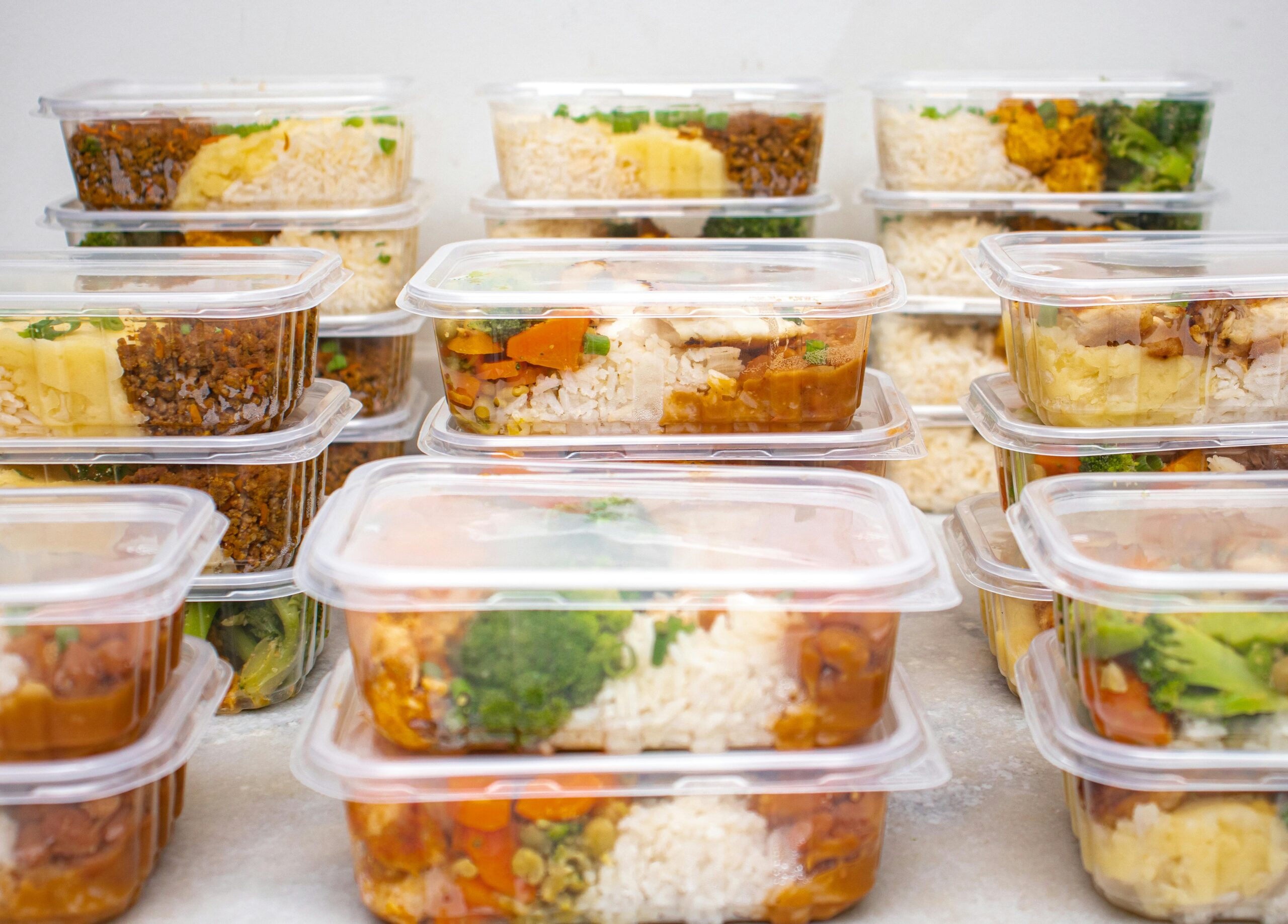
For those who prefer grab-and-go simplicity, prepare complete meals in individual containers. Invest in quality glass containers with compartments that keep foods separate until you’re ready to eat. Prepare 4-5 complete meals for your work nights, ensuring proper portions of protein, carbohydrates, and vegetables in each container.
Label containers with dates and contents, arranging them in your refrigerator in the order you’ll consume them. This system eliminates decision fatigue during those late-night hours when willpower runs low and vending machines look tempting.
Snack Preparation Station
Create individual snack portions immediately after grocery shopping. Divide nuts into small containers, portion hummus into individual servings with cut vegetables, prepare fruit and cheese combinations, or assemble protein-packed energy balls. Having these ready prevents grabbing whatever convenient junk food surrounds you at work.
🚫 Foods to Avoid During Night Shifts
Understanding what not to eat proves equally important as knowing what to include. Certain foods sabotage energy levels and health when consumed during overnight hours, creating problems that undermine your best meal prep efforts.
Heavy, Greasy Foods
Your digestive system functions less efficiently at night, making heavy, fatty foods particularly problematic. Fast food, fried items, and rich, creamy dishes sit uncomfortably in your stomach, causing sluggishness and potentially disrupting sleep after your shift. While these foods might seem comforting during long nights, they ultimately make you feel worse.
Simple Sugars and Refined Carbohydrates
Candy, pastries, white bread, and sugary drinks create dramatic blood sugar fluctuations that destroy stable energy levels. The initial rush feels good momentarily but invariably leads to crashes that leave you foggy-headed and craving more sugar. This cycle prevents you from functioning at your best and contributes to long-term health problems common among night shift workers.
Excessive Caffeine After Mid-Shift
While caffeine helps maintain alertness early in your shift, consuming it during the second half interferes with post-shift sleep. Limit coffee, energy drinks, and caffeinated sodas to the first 4-6 hours of your shift, switching to water or herbal tea afterward. This allows caffeine to metabolize before you need to sleep, improving rest quality significantly.
💧 Hydration Strategies for Night Workers
Dehydration amplifies fatigue, impairs cognitive function, and contributes to headaches that plague many night shift workers. However, drinking too much close to the end of your shift or after work disrupts sleep with bathroom trips. Strategic hydration makes all the difference.
Aim for 8-12 ounces of water every 1-2 hours during the first three-quarters of your shift. Carry a reusable water bottle and set hourly reminders if necessary. Front-loading your hydration maintains optimal function without compromising sleep later.
Infuse water with cucumber, lemon, or berries if plain water feels boring. Herbal teas without caffeine also count toward hydration goals while providing variety. Avoid excessive diuretics like caffeinated beverages beyond mid-shift, as these increase dehydration and create additional challenges.
🍱 Sample Weekly Meal Prep Plan
Putting theory into practice, here’s a realistic weekly meal prep plan that covers five night shifts, providing variety while maintaining nutritional balance. Adjust portions and specific foods based on your preferences and dietary requirements.
Prep Day Shopping List
- 6-8 boneless, skinless chicken breasts
- 1 pound salmon fillets
- 2 pounds lean ground turkey
- 2 dozen eggs
- 3 cups dry quinoa
- 2 pounds sweet potatoes
- Brown rice
- Mixed vegetables (broccoli, bell peppers, carrots, spinach)
- Greek yogurt
- Assorted nuts and seeds
- Fresh fruits (berries, apples, bananas)
- Hummus
- Avocados
- Whole grain bread
Prep Day Cooking Schedule
Start by preparing proteins: season and grill chicken breasts, bake salmon, and cook ground turkey with taco seasoning. While proteins cook, prepare quinoa and brown rice according to package directions. Chop all vegetables, roasting half and keeping half raw for variety.
Hard-boil a dozen eggs for easy protein additions. Portion Greek yogurt into individual containers, adding berries and a sprinkle of nuts to each. Create snack bags with measured portions of nuts and seeds.
Assembled Meal Ideas
Night 1: Pre-shift meal – Greek yogurt parfait with berries and granola. Mid-shift meal – Grilled chicken with quinoa and roasted vegetables. Snacks – Hard-boiled eggs, apple with almond butter, mixed nuts.
Night 2: Pre-shift meal – Scrambled eggs with whole grain toast and avocado. Mid-shift meal – Baked salmon with sweet potato and steamed broccoli. Snacks – Hummus with carrots and bell peppers, banana, trail mix.
Night 3: Pre-shift meal – Overnight oats with berries and walnuts. Mid-shift meal – Turkey taco bowl with brown rice, beans, and vegetables. Snacks – Greek yogurt, cucumber slices with hummus, orange.
Night 4: Pre-shift meal – Whole grain toast with eggs and sliced tomatoes. Mid-shift meal – Chicken stir-fry with mixed vegetables and quinoa. Snacks – String cheese, apple, handful of almonds.
Night 5: Pre-shift meal – Greek yogurt with granola and sliced banana. Mid-shift meal – Salmon with roasted sweet potato and green beans. Snacks – Hard-boiled eggs, bell pepper strips with hummus, berries.
🔧 Tools That Simplify Night Shift Meal Prep
Investing in the right equipment transforms meal prep from overwhelming to manageable. These tools pay for themselves quickly through time savings and improved consistency.
Essential Containers and Storage
Glass meal prep containers with multiple compartments keep foods fresh and separated. Look for BPA-free, microwave-safe options with secure lids that won’t leak in your work bag. Having 10-15 containers allows you to prep an entire week without running out of storage.
Invest in quality insulated lunch bags that maintain temperature for hours. Some night shift workers don’t have reliable refrigeration at work, making proper insulation critical for food safety.
Time-Saving Kitchen Equipment
A rice cooker handles grains perfectly while you focus on other prep tasks. Instant pots or slow cookers allow you to set proteins or complete meals in the morning and return to perfectly cooked food later. Sheet pans enable roasting multiple foods simultaneously, maximizing oven efficiency.
A quality knife set makes vegetable preparation faster and more enjoyable. Food processors speed up chopping and can create healthy dips like hummus in minutes.
🎯 Overcoming Common Night Shift Eating Challenges
Even with perfect meal prep, night shift workers face unique obstacles that can derail healthy eating intentions. Anticipating these challenges and having strategies ready ensures long-term success.
Social Pressure and Workplace Food Culture
Coworkers often bring treats or suggest ordering takeout during night shifts. While participating occasionally builds camaraderie, making these foods your regular habit undermines your health. Politely decline when you’ve already eaten, or contribute a healthy option to shared meals.
Having your prepared meals visible reminds coworkers of your commitment and may even inspire them to improve their own eating habits. You might find yourself leading a workplace meal prep movement that benefits everyone.
Managing Hunger at Unconventional Times
Your body takes time adjusting to a new eating schedule. During the transition period, you might experience hunger at odd times or lack appetite when you’ve planned to eat. Honor your body’s signals while gently encouraging adaptation by eating something small at scheduled times even if you’re not particularly hungry.
This consistency helps reset your internal clock more quickly. After 2-3 weeks of maintaining your new schedule, most people find their hunger cues align with their shift timing.
Maintaining Meal Prep During Rotating Shifts
Rotating shifts create the ultimate scheduling challenge, but flexible meal prep strategies still work. Prepare components rather than complete meals, allowing you to adjust portion sizes and timing based on whether you’re working days or nights. Keep your freezer stocked with healthy backup options for weeks when you’re too tired to prep.
🌟 Long-Term Health Considerations for Night Workers
Beyond daily energy management, night shift workers face elevated risks for certain health conditions that proper nutrition helps mitigate. Understanding these connections motivates sustained commitment to healthy meal prep practices.
Night shift work associates with increased risks of metabolic syndrome, cardiovascular disease, and certain cancers. While schedule changes aren’t always possible, evidence suggests that consistent, nutritious eating patterns reduce these risks significantly. Your meal prep efforts serve as preventive medicine, not just convenience.
Regular health screenings become particularly important for night shift workers. Monitor blood pressure, cholesterol, and blood sugar levels annually. If concerning trends emerge, working with a registered dietitian who understands shift work challenges can provide personalized strategies beyond general meal prep advice.
✨ Making Meal Prep Sustainable Long-Term
The perfect meal prep system means nothing if you can’t maintain it indefinitely. Sustainability requires balancing nutrition goals with enjoyment, convenience, and realistic time commitments.
Start simple rather than attempting elaborate meal prep that requires hours of complex cooking. Master a few basic, healthy meals first, then gradually expand your repertoire as the habit solidifies. Many successful night shift meal preppers rotate between just 8-10 favorite meals without experiencing boredom.
Allow flexibility and occasional convenience foods without guilt. Life happens, and sometimes you’ll need to buy a healthy prepared meal or eat something unplanned. This doesn’t represent failure—it’s normal human existence. Return to your meal prep routine at the next opportunity without dwelling on imperfection.
Reassess your system quarterly. As your preferences change or you discover new recipes, adapt your approach. Meal prep should evolve with you, not remain static. This flexibility prevents burnout and keeps healthy eating feeling like self-care rather than punishment.
Working night shifts presents unique challenges, but with strategic meal prep, you can maintain energy, protect your health, and actually enjoy the foods fueling your after-dark productivity. The investment of a few hours weekly delivers returns in how you feel during every shift and in your long-term wellbeing. Start with one or two strategies from this guide, build consistency, and gradually implement additional approaches as they fit your lifestyle. Your body—and your performance at work—will thank you for prioritizing nutrition despite the unconventional hours. 🌙