
Chronic inflammation is quietly affecting millions of people worldwide, contributing to everything from joint pain to serious diseases. The good news? Your fork holds incredible power to fight back.

🌟 Understanding Inflammation: Your Body’s Double-Edged Sword
Inflammation isn’t always the enemy. When you cut your finger or catch a cold, acute inflammation is your body’s natural healing response—sending white blood cells to protect and repair damaged tissue. This temporary inflammation is beneficial and necessary for survival.
However, chronic inflammation tells a different story. This persistent, low-grade inflammation can simmer quietly for months or years, gradually damaging healthy cells, tissues, and organs. Research links chronic inflammation to heart disease, diabetes, arthritis, Alzheimer’s disease, depression, and even certain cancers.
Modern lifestyle factors fuel this problematic inflammation: processed foods loaded with refined sugars and unhealthy fats, chronic stress, lack of sleep, sedentary habits, and environmental toxins. The typical Western diet, heavy in inflammatory foods, creates the perfect storm for health deterioration.
But here’s the empowering truth: the foods you choose three times daily can either fuel inflammation or fight it. Anti-inflammatory eating isn’t about restriction—it’s about abundance, flavor, and nourishing your body with foods that genuinely love you back.
🥗 The Rainbow on Your Plate: Colorful Vegetables That Heal
Dark leafy greens deserve their superfood status. Spinach, kale, collards, and Swiss chard are packed with vitamins A, C, and K, along with powerful antioxidants that neutralize inflammatory compounds. These nutritional powerhouses protect your cells from oxidative stress while providing essential nutrients for optimal function.
Cruciferous vegetables like broccoli, cauliflower, Brussels sprouts, and cabbage contain sulforaphane, a compound with remarkable anti-inflammatory properties. Studies show sulforaphane reduces cytokines and NF-kB, molecules that drive inflammation. Lightly steaming these vegetables preserves their beneficial compounds while making them easier to digest.
Colorful peppers—red, yellow, orange, and green—deliver high doses of vitamin C and quercetin, both powerful inflammation fighters. Bell peppers contain more vitamin C than oranges, making them excellent additions to salads, stir-fries, or eaten raw with hummus.
Don’t overlook beetroot, with its deep crimson color signaling high betalain content. These pigments provide potent antioxidant and anti-inflammatory effects, supporting liver detoxification and cardiovascular health. Roasted beets add earthy sweetness to any meal.
🫐 Berry Powerful: Nature’s Sweet Medicine
Berries might be small, but they pack an outsized anti-inflammatory punch. Blueberries contain anthocyanins—antioxidants that give them their blue-purple hue and reduce inflammation markers in the bloodstream. Regular blueberry consumption has been linked to improved cognitive function and reduced heart disease risk.
Strawberries offer vitamin C, manganese, and numerous beneficial plant compounds. Research indicates that eating strawberries regularly lowers inflammation markers like C-reactive protein (CRP), which doctors measure to assess inflammation levels.
Blackberries and raspberries provide ellagic acid, another powerful anti-inflammatory compound. These berries also deliver impressive fiber content, supporting gut health—increasingly recognized as central to controlling inflammation throughout the body.
The beauty of berries? They satisfy sweet cravings naturally without the inflammatory spike of refined sugar. Fresh or frozen, they maintain their nutritional benefits. Add them to morning oatmeal, blend into smoothies, or simply enjoy by the handful.
🐟 Omega-3 Champions: Fatty Fish That Fight Inflammation
Fatty fish stand among the most potent anti-inflammatory foods available. Salmon, sardines, mackerel, herring, and anchovies provide abundant omega-3 fatty acids—specifically EPA and DHA—which your body converts into powerful anti-inflammatory compounds called resolvins and protectins.
These omega-3s directly counteract omega-6 fatty acids, which can promote inflammation when consumed excessively. The typical Western diet contains a problematic omega-6 to omega-3 ratio, often 20:1 or higher, when it should ideally be around 4:1 or lower.
Studies demonstrate that people who regularly consume fatty fish have lower levels of inflammatory markers and reduced risk of heart disease, diabetes, and inflammatory bowel diseases. Aim for at least two servings weekly, choosing wild-caught options when possible for higher omega-3 content and fewer contaminants.
For those who don’t eat fish, plant-based omega-3 sources include flaxseeds, chia seeds, hemp seeds, and walnuts. While these provide ALA (alpha-linolenic acid) rather than EPA and DHA, your body can convert some ALA into the more active forms, though less efficiently than getting EPA and DHA directly from fish.
🥜 Nuts, Seeds, and Healthy Fats: Small Foods, Big Impact
Walnuts contain the highest omega-3 content of any nut, along with polyphenols that work synergistically to reduce inflammation. Just a handful daily provides meaningful anti-inflammatory benefits. Research shows walnuts specifically reduce markers of inflammation in people with diabetes and heart disease.
Almonds deliver vitamin E, magnesium, and healthy monounsaturated fats. Vitamin E functions as a powerful antioxidant, protecting cell membranes from inflammatory damage. Almonds also support healthy gut bacteria, which communicate with your immune system to regulate inflammation.
Extra virgin olive oil deserves special mention as a cornerstone of anti-inflammatory eating. High-quality olive oil contains oleocanthal, a compound with effects similar to ibuprofen. The Mediterranean diet’s powerful anti-inflammatory benefits are partly attributed to generous olive oil consumption.
Avocados provide healthy monounsaturated fats, fiber, magnesium, and potassium. They also contain carotenoids and tocopherols linked to reduced cancer risk. The fats in avocados help your body absorb fat-soluble nutrients from other vegetables eaten at the same meal.
🌶️ Spice Up Your Anti-Inflammatory Arsenal
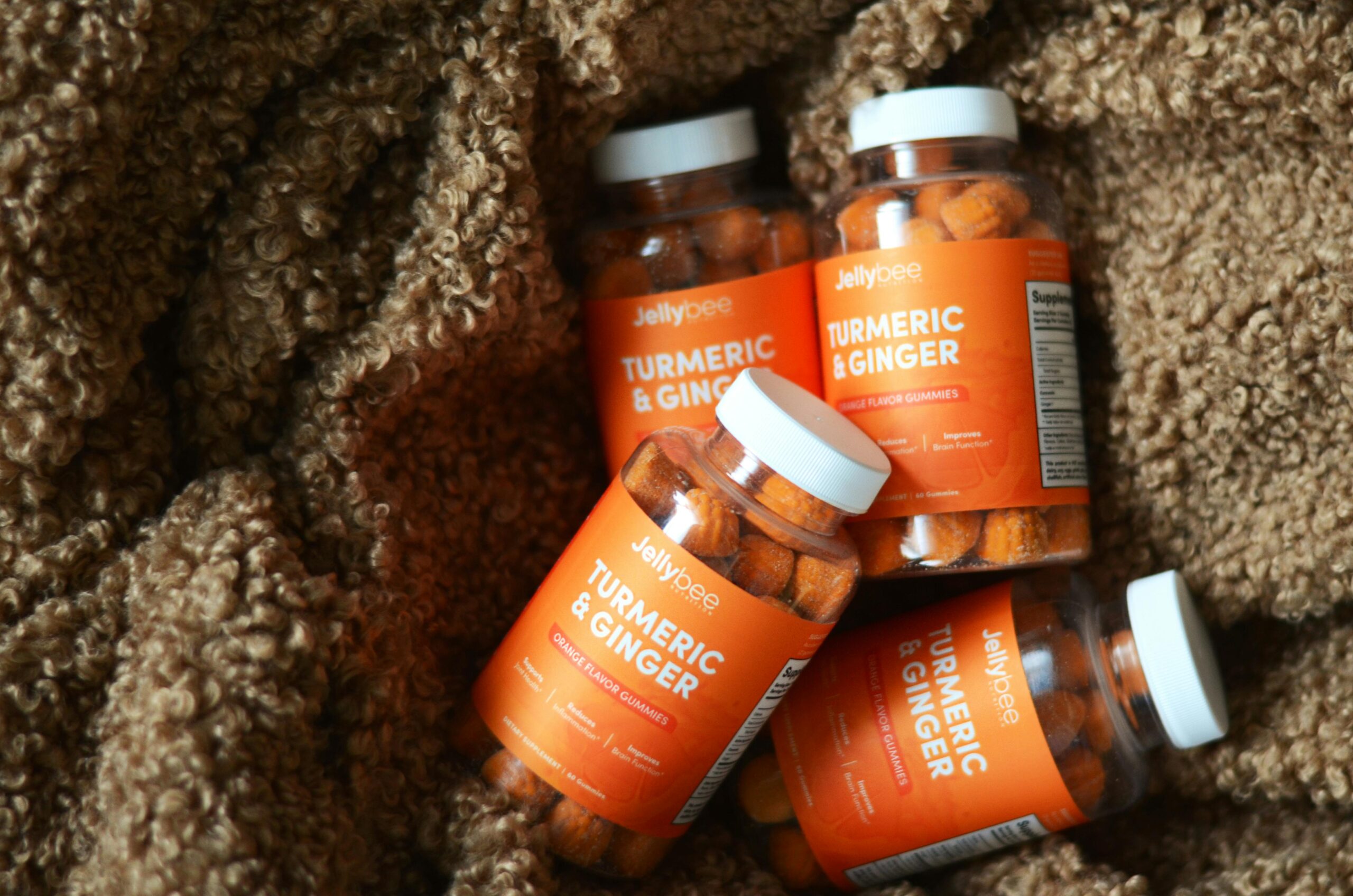
Turmeric, the golden spice, contains curcumin—one of the most studied anti-inflammatory compounds. Curcumin matches the effectiveness of some anti-inflammatory drugs without the side effects. However, curcumin alone is poorly absorbed, so always combine turmeric with black pepper, which contains piperine that enhances curcumin absorption by 2,000%.
Ginger has been used medicinally for thousands of years, with good reason. It contains gingerol, a bioactive compound with powerful anti-inflammatory and antioxidant properties. Ginger effectively reduces muscle pain, arthritis symptoms, and nausea. Fresh ginger offers the highest gingerol content, though dried ginger still provides benefits.
Garlic delivers allicin and other sulfur compounds that reduce inflammatory markers and boost immune function. Crushing or chopping garlic and letting it sit for 10 minutes before cooking maximizes allicin production. Regular garlic consumption is associated with reduced risk of heart disease and certain cancers.
Cinnamon doesn’t just make foods taste amazing—it also provides potent antioxidants called polyphenols. Studies show cinnamon reduces inflammation markers, lowers blood sugar levels, and may reduce heart disease risk factors. Just half a teaspoon daily can provide meaningful benefits.
🍵 Beverages That Soothe Inflammation
Green tea contains epigallocatechin-3-gallate (EGCG), a powerful anti-inflammatory antioxidant. Regular green tea consumption is linked to reduced heart disease risk, better brain function, and lower cancer rates. For maximum benefits, brew green tea for 3-5 minutes and drink 2-3 cups daily.
Coffee, despite past controversy, actually provides significant anti-inflammatory benefits when consumed in moderation. Coffee contains numerous antioxidants and has been associated with reduced risk of type 2 diabetes, Parkinson’s disease, and certain cancers. Stick to 2-4 cups daily and avoid adding excessive sugar or artificial creamers.
Tart cherry juice shows remarkable anti-inflammatory effects, particularly for reducing exercise-induced muscle damage and arthritis pain. The anthocyanins in tart cherries provide these benefits. Look for unsweetened varieties to avoid added sugars that would counteract the anti-inflammatory effects.
Plain water remains essential for managing inflammation. Chronic dehydration contributes to inflammatory processes throughout the body. Aim for eight glasses daily, adjusting for activity level, climate, and individual needs.
🍫 Sweet Surprises: Unexpected Anti-Inflammatory Foods
Dark chocolate (70% cocoa or higher) contains flavonols with anti-inflammatory properties. These compounds improve endothelial function, reduce blood pressure, and provide antioxidant benefits. A small square daily can satisfy chocolate cravings while supporting health—just watch portion sizes since chocolate remains calorie-dense.
Mushrooms, especially varieties like shiitake, maitake, and lion’s mane, contain phenols and other antioxidants with anti-inflammatory properties. Cooking mushrooms slightly increases their antioxidant activity. They also provide immune-supporting compounds that help regulate inflammatory responses.
Tomatoes deserve recognition for their lycopene content—a powerful antioxidant particularly effective at reducing inflammation. Cooking tomatoes increases lycopene bioavailability, making tomato sauce an excellent anti-inflammatory food choice. Pairing tomatoes with olive oil further enhances lycopene absorption.
🚫 Foods That Fuel the Fire: What to Minimize
Understanding anti-inflammatory foods requires knowing what promotes inflammation. Refined carbohydrates like white bread, pastries, and sugary cereals spike blood sugar and trigger inflammatory responses. These foods lack fiber and nutrients, leaving you nutritionally depleted while promoting inflammation.
Processed meats including bacon, sausages, hot dogs, and deli meats contain advanced glycation end products (AGEs) and other compounds that directly trigger inflammation. Population studies consistently link processed meat consumption with increased disease risk.
Trans fats, found in many fried foods and baked goods made with partially hydrogenated oils, are perhaps the most inflammatory fats. Even small amounts damage endothelial cells and promote systemic inflammation. Check labels carefully and avoid products listing “partially hydrogenated” oils.
Excessive alcohol consumption promotes inflammation, though moderate intake (particularly red wine) may provide anti-inflammatory benefits due to resveratrol content. Moderation means up to one drink daily for women and two for men.
🍽️ Building Your Anti-Inflammatory Plate: Practical Meal Ideas
Creating anti-inflammatory meals doesn’t require culinary expertise. Start with a base of colorful vegetables, add a protein source like fatty fish, chicken, or legumes, include healthy fats from olive oil or avocado, and season generously with anti-inflammatory spices.
Breakfast could feature oatmeal topped with berries, walnuts, and a sprinkle of cinnamon. Or try a vegetable omelet cooked in olive oil with turmeric-spiced potatoes. Smoothies blending spinach, berries, flaxseeds, and ginger provide quick anti-inflammatory nutrition.
Lunch might include a large salad with dark leafy greens, colorful vegetables, grilled salmon, avocado, and olive oil vinaigrette. Or enjoy lentil soup seasoned with turmeric, cumin, and garlic, served with whole grain bread.
Dinner options include baked salmon with roasted broccoli and sweet potatoes, stir-fried vegetables with ginger and garlic over brown rice, or grilled chicken with Mediterranean-style vegetables drizzled with olive oil.
Snacks matter too. Choose raw vegetables with hummus, a handful of mixed nuts, fresh berries, or dark chocolate squares. These choices maintain stable blood sugar while providing anti-inflammatory compounds.
📱 Tracking Your Anti-Inflammatory Journey
Monitoring your food choices helps build lasting anti-inflammatory eating patterns. Several nutrition tracking apps can help you identify inflammatory foods in your diet and discover anti-inflammatory alternatives. MyFitnessPal offers comprehensive food logging with nutritional information that can help you balance omega-3 and omega-6 intake while tracking overall diet quality.
Beyond tracking, listen to your body. Many people notice reduced joint pain, better energy levels, clearer skin, improved mood, and better sleep within weeks of adopting an anti-inflammatory diet. These subjective improvements often precede measurable changes in inflammation markers.
💪 Lifestyle Factors That Support Anti-Inflammatory Eating
Diet alone doesn’t determine inflammation levels. Sleep deprivation triggers inflammatory processes, so prioritize 7-9 hours nightly. Chronic stress elevates cortisol, promoting inflammation—making stress management through meditation, yoga, or other relaxation techniques essential.
Regular physical activity reduces inflammation even independent of weight loss. Aim for 150 minutes of moderate exercise weekly, including both cardiovascular activities and strength training. Movement doesn’t need to be intense—even walking provides anti-inflammatory benefits.
Maintaining a healthy weight significantly impacts inflammation. Excess body fat, especially visceral fat around organs, produces inflammatory compounds. Anti-inflammatory eating naturally supports healthy weight management through nutrient-dense, satisfying foods.
Social connections and purpose also influence inflammation. Strong relationships and meaningful activities reduce stress hormones and inflammatory markers. Your health encompasses far more than food alone—it includes how you live, love, and find meaning.
🌱 Starting Your Anti-Inflammatory Journey Today
Transformation doesn’t require perfection. Begin by adding one anti-inflammatory food daily—maybe berries at breakfast or an extra serving of vegetables at dinner. Small, consistent changes compound into significant results over time.
Replace rather than restrict. Instead of focusing on eliminating foods, emphasize adding anti-inflammatory options. As you fill your plate with nourishing foods, inflammatory choices naturally decrease. This positive approach feels sustainable rather than punishing.
Experiment with new recipes and flavors. Anti-inflammatory eating offers incredible variety and deliciousness. Try new vegetables, explore different spices, and discover that healthy food can excite your taste buds while healing your body.
Be patient with yourself. Dietary changes take time to become habits. Some days will be easier than others, and that’s completely normal. Progress, not perfection, leads to lasting transformation.
🎯 Your Path to Reduced Inflammation and Vibrant Health
Every meal represents an opportunity to reduce inflammation and support your body’s healing capacity. The anti-inflammatory foods discussed aren’t expensive superfoods requiring specialty stores—they’re accessible, affordable options available at any grocery store.
Your body possesses remarkable healing abilities when provided proper nutrition. Chronic inflammation didn’t develop overnight, and reversing it takes time. But with each anti-inflammatory meal, you’re investing in reduced pain, more energy, better mood, and decreased disease risk.
The simple act of choosing colorful vegetables, fatty fish, nuts, berries, and healing spices over processed foods empowers you to take control of your health. These aren’t temporary diet rules—they’re sustainable eating patterns that genuinely improve how you feel every single day.
Start today. Choose one anti-inflammatory food to add to your next meal. Notice how you feel. Pay attention to increased energy, reduced pain, or improved mood. Let these positive changes motivate continued progress toward a happier, healthier you—one delicious, anti-inflammatory bite at a time.